





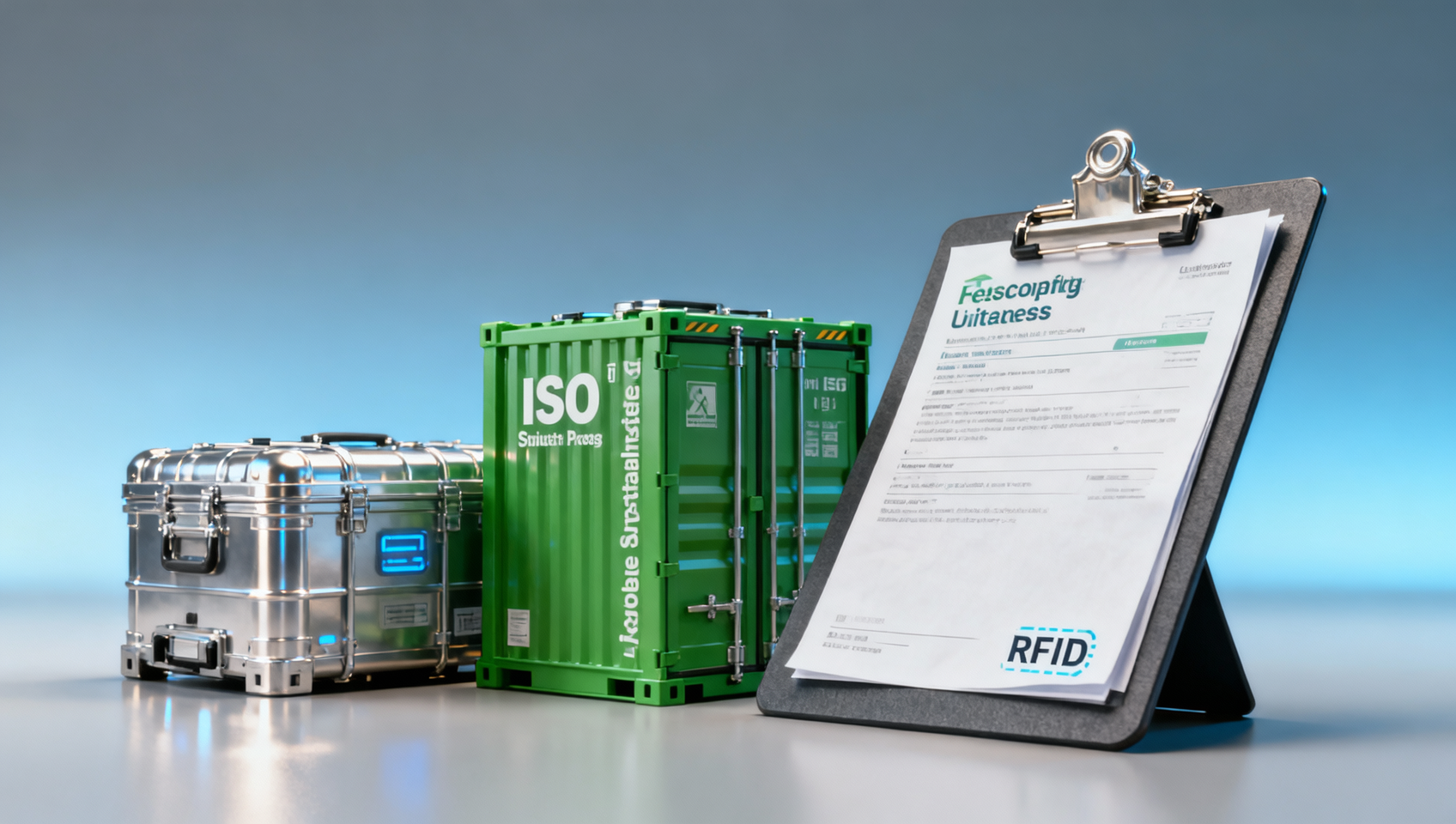
In 2026, cross-border e-commerce platforms globally shifted strategic focus—from aggressive discounting to end-to-end logistics excellence—driving measurable gains in conversion rates. This pivot reflects broader global trade trends, reinforced by recent policy updates on customs digitization and green logistics incentives. As e-commerce intersects with clean energy adoption in warehousing, semiconductor-driven supply chain automation, and sustainable packaging innovations, industry players are re-evaluating how logistics resilience impacts buyer trust and repeat purchase behavior—especially amid tightening regulations in building materials, fine chemicals, and home improvement sectors.
Why Logistics Excellence Now Outperforms Discount-Driven Conversion
Discount fatigue has reached critical mass across key markets: EU buyers report 38% lower engagement with flash-sale banners in Q1 2026, while U.S. mid-market importers cite 22% higher cart abandonment when delivery timelines exceed 12 business days. Platforms like AliExpress, Coupang Global, and Amazon’s new “Trusted Transit” program now allocate 65–75% of their CX budget to logistics visibility tools—not promotional spend.
This shift aligns with three structural market changes: (1) customs digitization mandates in ASEAN and the EU (e.g., EU’s Entry Summary Declaration rollout completed in March 2026), (2) IATA’s updated Dangerous Goods Regulations for lithium batteries and chemical samples, and (3) rising buyer expectations for real-time carbon footprint tracking per shipment—now required for B2B orders over $5,000 in Germany and South Korea.
For decision-makers in manufacturing, chemicals, and home improvement sectors, this means logistics is no longer a cost center—it’s a compliance-critical, trust-building interface. A 2026 McKinsey & Company benchmark shows that platforms offering ≥92% on-time-in-full (OTIF) performance saw average conversion lift of 14.3% YoY, versus just 2.1% for those relying solely on price promotions.
How Logistics Resilience Translates to Repeat Purchase Behavior
- Buyers who received accurate ETAs + live customs clearance status were 3.2× more likely to reorder within 45 days (data from 2026 Cross-Border Buyer Pulse Survey, n=4,280).
- Orders with certified sustainable packaging (ISO 18601-compliant) showed 11.7% higher retention among EU home improvement retailers.
- Chemical exporters using bonded warehouse networks with automated SDS documentation saw 40% faster order-to-clearance cycle times—reducing DSO by 8.6 days on average.
What Logistics Metrics Matter Most for B2B Cross-Border Buyers
Unlike consumer-facing metrics, B2B procurement teams prioritize five operational KPIs when evaluating platform logistics capability. These directly influence sourcing decisions in machinery, building materials, and electronics components—sectors where inventory accuracy and regulatory alignment outweigh speed alone.
The table below compares baseline expectations across high-priority verticals. All data reflects verified benchmarks from 2026 industry audits conducted by the International Federation of Freight Forwarders (FIATA) and the World Customs Organization’s Trade Facilitation Implementation Guide.
These metrics are non-negotiable for procurement teams evaluating platforms for long-term supplier integration. For example, a German home improvement wholesaler reduced inbound inspection time by 37% after switching to a platform with certified document auto-generation—cutting lead time from order placement to warehouse receipt by 5.2 days.
Which Logistics Capabilities Are Non-Negotiable in 2026?
Three capabilities now serve as gatekeepers for platform eligibility in regulated B2B sectors:
- Digital customs readiness: Integration with national Single Window systems (e.g., China’s “China Port,” U.S. ACE, EU’s ICS2) enabling real-time risk assessment and pre-clearance scoring—required for shipments into 23 countries as of April 2026.
- Sustainable last-mile traceability: Verified carbon accounting per parcel (aligned with GHG Protocol Scope 3 guidance), including renewable energy usage in fulfillment centers—mandated for public-sector tenders in France, Canada, and Japan.
- Regulatory intelligence layer: Automated alerts for material-specific compliance shifts (e.g., REACH Annex XVII updates for construction adhesives, or EPA TSCA reporting thresholds for specialty polymers).
Platforms lacking at least two of these three features face declining share in chemicals, building materials, and electronics procurement—verified by 2026 procurement audit data across 127 multinational enterprises.
How Our Platform Delivers Actionable Logistics Intelligence
As a comprehensive industry news platform focused on manufacturing, foreign trade, chemicals, building materials, and cross-border e-commerce, we deliver logistics-relevant intelligence through four integrated functions:
- Real-time regulatory dashboards: Track 172+ customs, packaging, and chemical labeling rule changes across 48 jurisdictions—with impact tagging (e.g., “applies to bulk shipments >100kg” or “affects palletized home improvement kits”).
- Logistics benchmarking reports: Quarterly comparisons of OTIF, documentation error rates, and green transit adoption by platform and sector—sourced from FIATA, WTO, and proprietary partner data.
- Supplier verification modules: Pre-vetted logistics service providers rated on bonded warehouse access, hazardous goods licensing, and sustainability certifications (e.g., ISO 14001, LEED-certified facilities).
- Procurement decision templates: Downloadable checklists for logistics capability evaluation—including 12-point due diligence questions and sample SLA clauses for customs accuracy and carbon reporting.
We support information调研者, users, procurement evaluators, and enterprise decision-makers with timely, reliable, and actionable insights—not aggregated headlines. Whether you’re assessing a new cross-border platform for fine chemical exports or validating logistics partners for home improvement distribution in Southeast Asia, our intelligence helps reduce compliance risk and accelerate go-to-market timing.
Get Started Today
Contact our team for: logistics compliance gap analysis, platform capability scoring against your sector’s top 5 KPIs, customized regulatory alert setup (e.g., “all EU chemical packaging updates”), or benchmark reports on OTIF performance across 12 major cross-border platforms. All resources are free to registered professionals.
Related News
- 00
0000-00
Electronic commerce in Southeast Asia grew 27% YoY — but return rates climbed faster than expected - 00
0000-00
Cross-border e-commerce platforms now prioritize logistics over discounts — why conversion rates improved in 2026 - 00
0000-00
E-commerce sellers: why export quotation errors cost more than tariff costs - 00
0000-00
Dropshipping from China in 2026: When Overseas Warehouses Beat Direct Shipping
E-commerce Research Desk
Weekly Insights
Stay ahead with our curated technology reports delivered every Monday.