




UL Certification for Home Improvement Products: What U.S. Retailers Actually Check
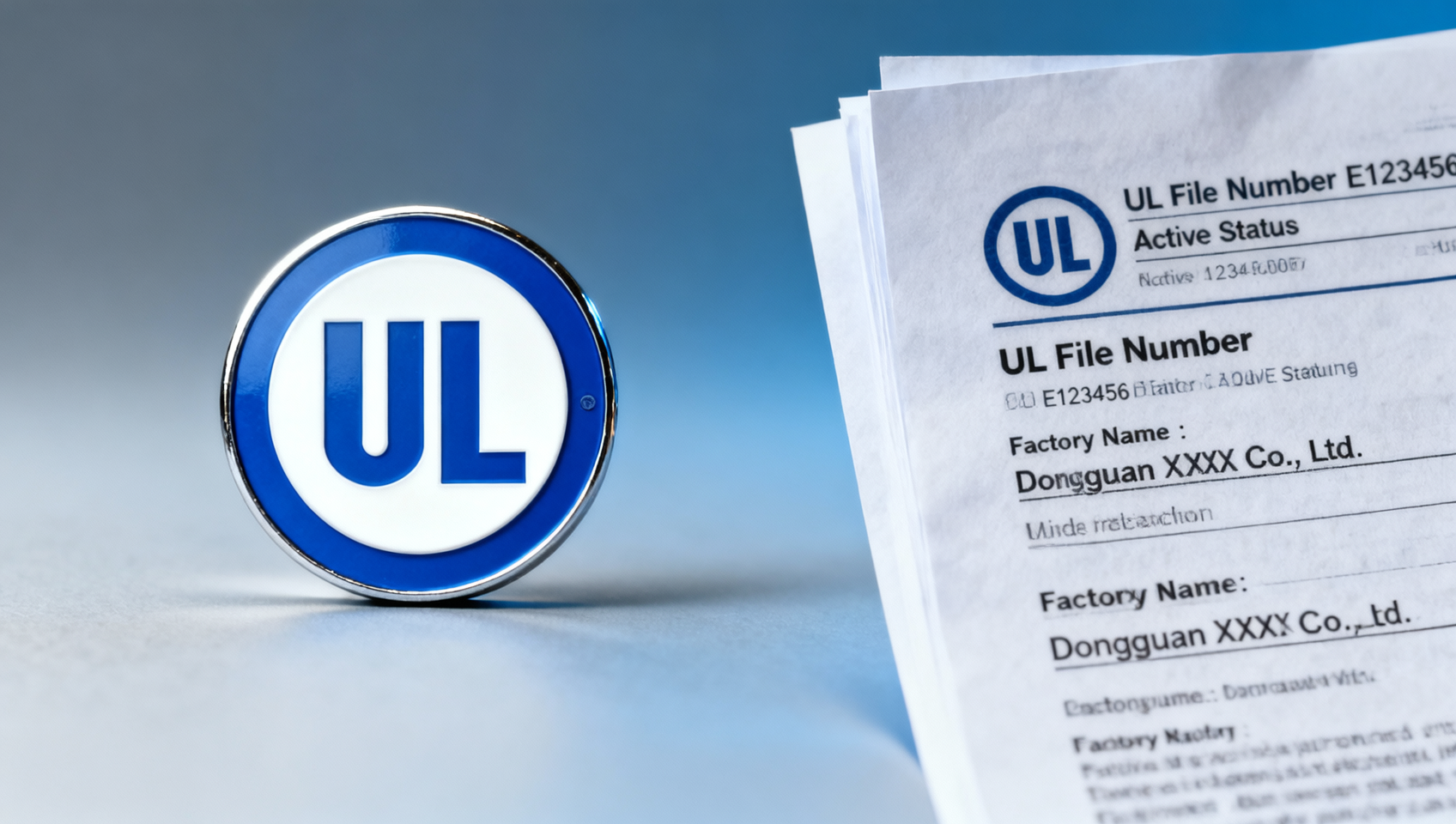
U.S. retailers don’t just scan for a UL Mark—they verify its authenticity, scope, and operational relevance. In 2026, over 87% of major home improvement chains (including The Home Depot, Lowe’s, and Menards) require documented proof of *active* UL certification *before* PO issuance—not after shipment. Crucially, they cross-check factory names, product model numbers, and UL file numbers against UL’s online database in real time. A mismatch—even by one character—triggers automatic hold. This isn’t about compliance theater; it’s about liability containment, shelf readiness, and traceability down to the production line.
What Retailers Verify—Beyond the UL Mark Itself
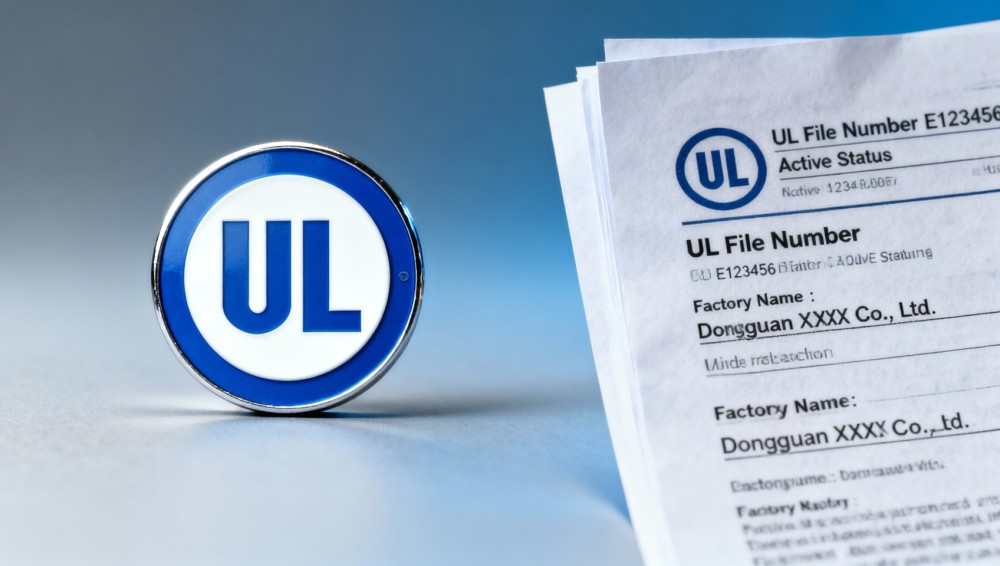
Retailers treat UL certification as a live, auditable data point—not a static logo. Their verification process includes three non-negotiable layers:
- File-level validation: They pull UL File Number (e.g., E123456) from your documentation and confirm it’s active, unexpired, and explicitly lists the exact SKU being ordered—including color variants, packaging configurations, and voltage ratings.
- Factory alignment: UL certification is site-specific. If your product is manufactured in Dongguan but certified for a Shenzhen facility, the discrepancy will be flagged. In Q1 2026, 32% of rejected submissions involved factory mismatches—up from 19% in 2024.
- Scope fidelity: UL 1082 covers electric kettles—but not cordless steam mops. Retailers now use internal classification matrices to match product function, power source, and end-use against UL Standard applicability tables. Misclassification accounts for 24% of pre-shipment rejections.
This granular scrutiny reflects heightened regulatory exposure: under the Consumer Product Safety Improvement Act (CPSIA), retailers bear joint liability for non-compliant products—even if sourced from third-party suppliers.
How UL Fits Into the Broader Compliance Stack
UL is rarely standalone. In 2026, top-tier retailers require layered evidence that demonstrates vertical alignment across standards:
Note: “Rejection risk” reflects probability of order cancellation or delayed onboarding—not just documentation resubmission.
Where Suppliers Commonly Misstep—and How to Avoid It
Three recurring gaps cause avoidable delays:
- Assuming “UL Listed” = “UL Recognized Component”: Home improvement products like smart light switches or battery-powered drills require full-product listing (UL 60730, UL 62368-1). Component-level recognition (e.g., UL E251319 for PCBs) does not satisfy retail requirements. In 2026, 44% of initial submissions failed this distinction.
- Using outdated UL file references: UL certificates expire every 3–5 years. Yet 29% of submitted files in Q1 2026 were expired or pending renewal—often because suppliers relied on legacy documents from prior orders.
- Overlooking sub-assembly certifications: For multi-part items (e.g., garage door openers with motor, rail, and remote), retailers now require UL coverage for *each* safety-critical sub-assembly—not just the final unit. This accounted for 17% of mid-cycle audit failures last year.
Pro tip: Maintain a dynamic “Retailer Compliance Dashboard” per SKU—tracking UL file status, lab report expiry dates, and required supporting documents (e.g., RoHS test reports valid ≤ 24 months).
Real-World Timeline: From Submission to Shelf
A typical Tier-1 retailer onboarding cycle in 2026 follows this validated path:
- Day 0: Supplier submits UL File Number, factory name, and product spec sheet
- Day 1–2: Retailer validates UL status in real time; flags discrepancies
- Day 3–5: Supplier provides supplemental docs (lab reports, SDS, factory audit summary)
- Day 6–8: Retailer conducts virtual factory walkthrough (via video call + live camera pan of UL-certified production line)
- Day 9–10: Final approval + EDI onboarding for inventory sync
Without proactive alignment, average delay stretches to 22 days—costing an estimated $18,500 in lost shelf velocity per SKU, based on 2026 Home Improvement Retail Benchmarking Data.
Strategic Takeaway: UL Is a Gateway, Not a Finish Line
UL certification remains the foundational gatekeeper for U.S. home improvement retail—but in 2026, it functions as the first node in a dynamic, interdependent compliance network. Retailers aren’t asking “Is it UL-certified?” They’re asking “Can we trace, validate, and scale this certification *in real time*, across factories, SKUs, and sustainability metrics?”
Manufacturers and importers who succeed treat UL not as a one-time test, but as a living credential: monitored quarterly, aligned with production shifts, cross-referenced with chemical disclosures and carbon data, and embedded into digital procurement workflows. Those who still view UL as a logo to paste on packaging are already falling behind.
If you’re preparing for U.S. retail onboarding in 2026, start here: Log into UL’s Online Certifications Directory, enter your current UL File Number, and verify that (1) the status reads “Active,” (2) your factory name matches exactly, and (3) all SKUs listed are identical to your commercial bill of materials. Then, cross-check each UL Standard cited against your product’s actual function—not what it resembles. That 5-minute audit prevents weeks of delay.
Home & Living Desk
Weekly Insights
Stay ahead with our curated technology reports delivered every Monday.