





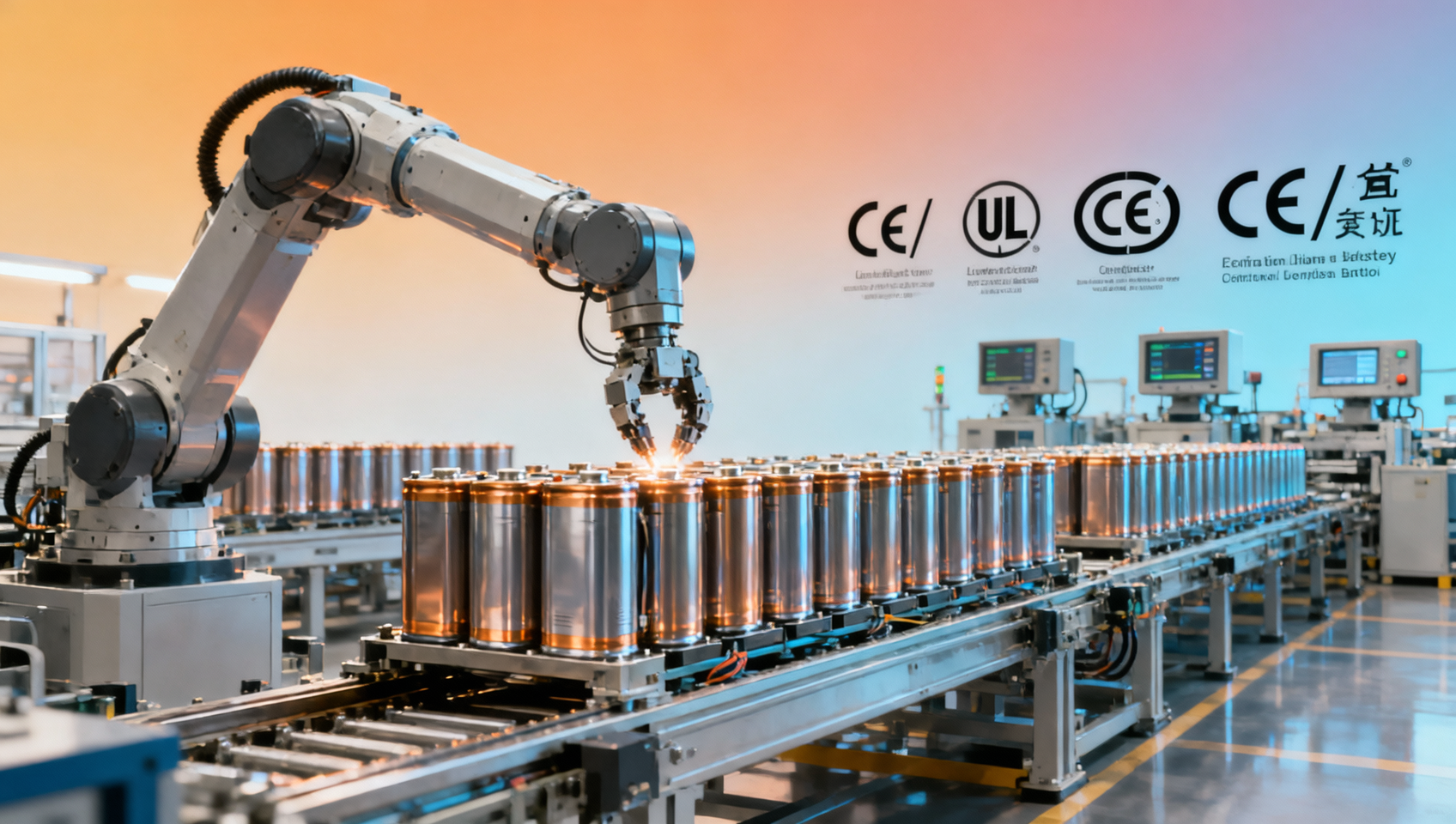
On April 9, 2026, China's Ministry of Industry and Information Technology (MIIT) and three other government departments jointly announced measures to regulate competition in the power and energy storage battery industry. The move targets low-price dumping, shortened payment terms, substandard materials, and patent infringements, while strengthening quality traceability for exports and verification of overseas certifications. This development is particularly relevant for battery manufacturers, exporters, and supply chain stakeholders, as it signals stricter compliance requirements for international trade.
Event Overview
The new regulations explicitly prohibit unfair practices such as predatory pricing, delayed supplier payments, and cutting corners in production. Authorities will also intensify checks on compliance with international standards like CE and UL certifications, addressing recent cases of fraudulent documentation in exports to Europe, North America, and Southeast Asia. The policy aims to improve the global reputation of Chinese battery suppliers by raising due diligence requirements for overseas buyers.
Impact on Key Industries
Battery Manufacturers
Domestic producers face immediate pressure to review production processes and certification documentation. Companies previously relying on price wars to secure orders must now prioritize quality control systems.
Export-Oriented Enterprises
Businesses shipping batteries abroad should expect longer customs clearance times and more rigorous factory audits by international clients. The policy effectively increases compliance costs for exporters.
Raw Material Suppliers
Upstream suppliers may benefit from stabilized procurement terms as the crackdown on compressed payment cycles takes effect, though they'll need to provide verifiable material quality reports.
Key Action Points for Businesses
1. Certification Compliance Review
Conduct internal audits of all international certifications, particularly for CE/UL marks. Prepare for unannounced inspections by both Chinese regulators and foreign partners.
2. Supply Chain Documentation
Establish transparent tracking systems for raw materials and production batches. Exporters should maintain detailed records covering at least three years of transactions.
3. Contractual Safeguards
Update supplier agreements to explicitly prohibit patent infringement and define quality benchmarks. Include clauses addressing regulatory changes in key export markets.
Industry Perspective
Analysis shows this represents more than temporary enforcement—it's part of China's broader strategy to transition from volume-driven to value-driven battery exports. While initial disruptions are likely, the policy could ultimately help reputable manufacturers differentiate themselves. The market should monitor how strictly local governments implement these measures, particularly in major production hubs.
Conclusion
This regulatory intervention marks a turning point for China's battery industry, emphasizing quality over short-term market share gains. Businesses should interpret the policy as both a compliance requirement and an opportunity to build long-term credibility in global supply chains.
Sources
1. Official announcement by MIIT (April 9, 2026)
2. Pending: Implementation guidelines from provincial-level authorities (Expected Q2 2026)
Related News
- 00
0000-00
China's New E-commerce Pricing Rules Impact Cross-Border Trade - 00
0000-00
China Tightens Regulations on Battery Industry to Curb Unhealthy Competition - 00
0000-00
Policy updates on chemical import licensing took effect April 2026 — which fine chemicals now require pre-approval? - 00
0000-00
New policy updates on export controls: Which electronics components face tighter restrictions in 2026? - 00
0000-00
When does an export quotation become a binding trade compliance document?
Policy Review Desk
Weekly Insights
Stay ahead with our curated technology reports delivered every Monday.