





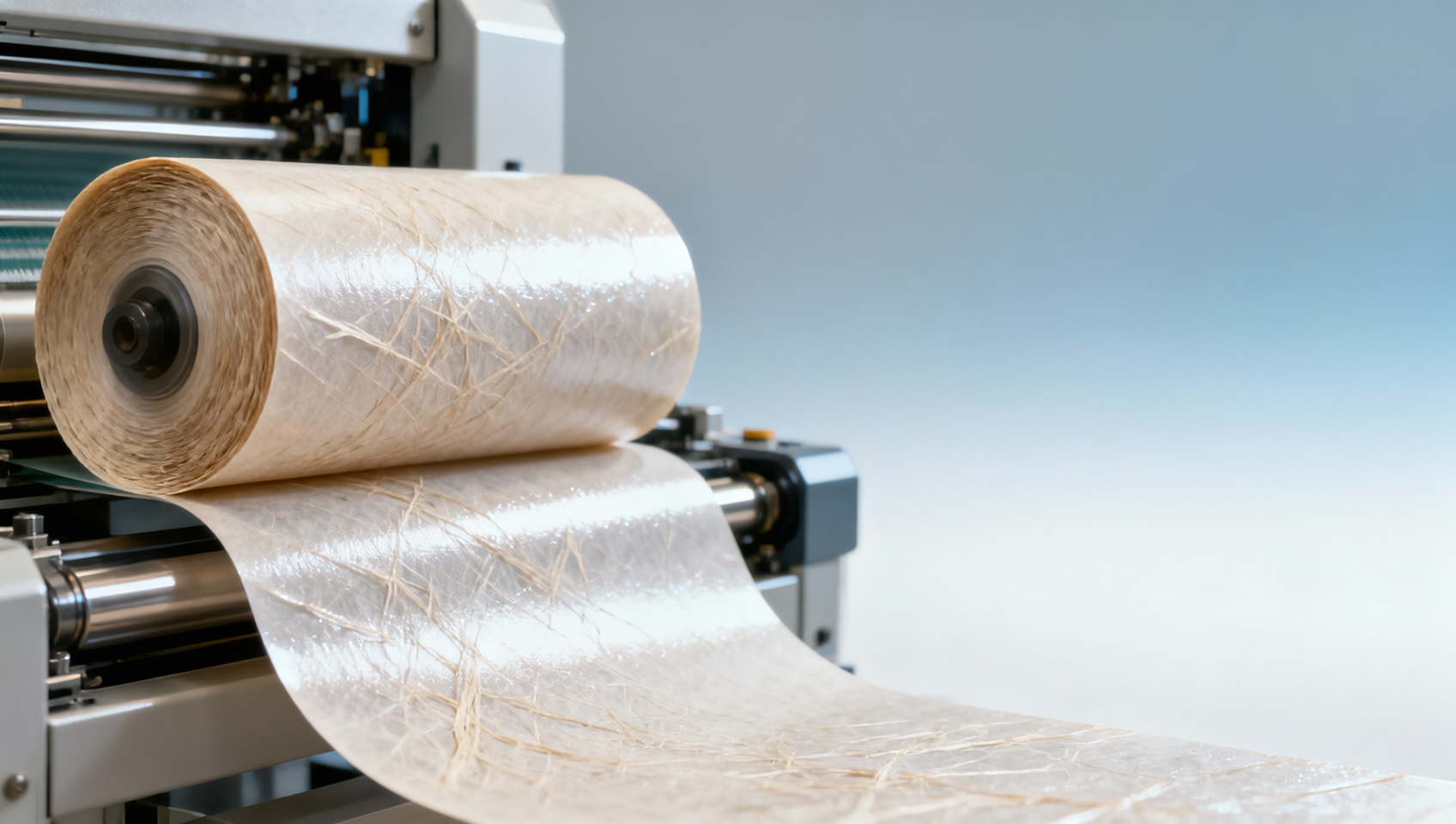
As sustainability pressures mount across printing and packaging, biodegradable packaging solutions are gaining traction—especially nanocellulose-reinforced coating materials that challenge conventional plastic lamination. This innovation intersects specialty chemicals, chemical raw materials, and paper packaging, offering enhanced barrier properties without compromising compostability. With growing demand in logistics packaging, label materials, and eco-conscious e-commerce, such advances also impact rubber materials and plastic resins markets. For enterprise decision-makers and information researchers, understanding this shift is critical—not only for regulatory compliance and supply chain resilience but also for strategic positioning in green packaging transitions.
What Exactly Is Nanocellulose-Reinforced Coating?
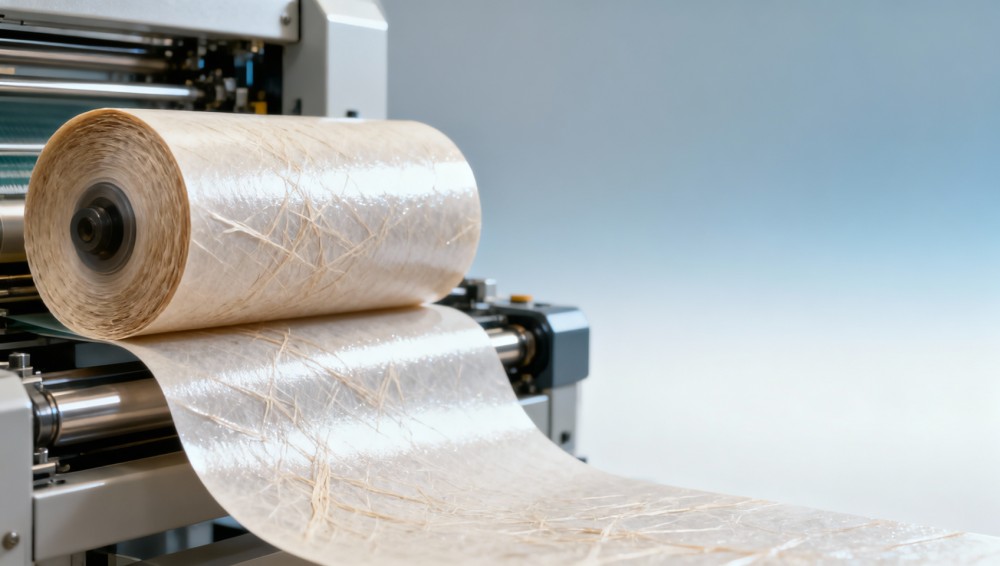
Nanocellulose-reinforced coatings are aqueous dispersions of cellulose nanocrystals (CNC) or nanofibrillated cellulose (NFC), typically derived from sustainably harvested wood pulp or agricultural residues. Unlike petroleum-based laminates, these coatings form ultra-thin (< 5 µm), uniform layers on paper substrates via standard gravure, flexo, or slot-die coating lines—requiring no retrofitting for most converters.
Key functional advantages include oxygen transmission rate (OTR) reduction by 60–85% versus uncoated kraft paper, moisture vapor transmission rate (MVTR) control within 30–120 g/m²·24h (adjustable via NFC concentration), and full industrial compostability per EN 13432 and ASTM D6400 standards. Crucially, they retain paper recyclability in existing OCC streams—unlike PE-laminated board, which contaminates fiber recovery loops.
From a supply chain perspective, nanocellulose feedstock is sourced regionally: North America relies on softwood pulp (e.g., spruce, pine), while EU producers increasingly use beech and eucalyptus. Typical production scale ranges from pilot batches (50–200 kg/month) to commercial lines (5–15 tons/month), with lead times averaging 4–6 weeks for custom formulations.
Where Does It Outperform Plastic Lamination?
Three high-impact application scenarios demonstrate clear technical and commercial differentiation:
- E-commerce shipping mailers: Nanocellulose-coated corrugated liners achieve puncture resistance ≥ 12 N (per TAPPI T 804) and edge crush test (ECT) retention > 90% after 7 days at 40°C/90% RH—matching LDPE-laminated equivalents while enabling curbside recycling.
- Food-grade label facestocks: NFC coatings pass FDA 21 CFR §176.170 for indirect food contact and withstand 24-hour immersion in olive oil at 40°C—critical for premium beverage and organic snack brands targeting EU EPR compliance.
- Pharmaceutical secondary packaging: With water vapor transmission controlled to ≤ 45 g/m²·24h, these coatings meet ISO 11607-1 requirements for sterile barrier systems when paired with heat-sealable bio-based films—reducing reliance on PET/Alu laminates.
Notably, adoption is accelerating fastest in EU-regulated markets (Germany, France, Netherlands) where Extended Producer Responsibility (EPR) fees for non-recyclable packaging rose 22–38% in 2023–2024—and in U.S. states with SB 54-aligned legislation mandating 65% recyclability by 2032.
How to Evaluate Technical & Commercial Fit
Procurement teams must assess five core dimensions before committing to trials:
Suppliers should provide third-party validation for all three parameters—and confirm compatibility with your existing press speeds (standard range: 200–450 m/min) and drying capacity (max. 120 kW thermal input per station).
Cost, Scalability & Supply Chain Realities
Current landed cost for commercial-grade nanocellulose coating averages $8.2–$11.6/kg (FOB EU/US), compared to $2.1–$3.4/kg for standard PE dispersion. However, total cost of ownership shifts favorably when factoring in:
- Elimination of separate lamination step (saves 15–22% inline labor and energy)
- No need for solvent recovery systems (CAPEX reduction of $180k–$420k per line)
- Lower EPR fee exposure: €0.28–€0.41/kg vs €0.92–€1.35/kg for plastic-laminated board (EU 2024 rates)
- Reduced waste disposal costs: 97% less non-hazardous solid waste vs PE-lamination scrap
Scalability remains constrained: only 7 global suppliers currently offer ISO 9001-certified nanocellulose coatings at volumes >1 ton/month. Lead time for first commercial order averages 8–12 weeks—including formulation tuning, pilot validation, and process qualification.
Why Partner With Our Platform for Sourcing & Intelligence?
We deliver actionable, cross-sector intelligence tailored for procurement leaders and strategy teams facing green packaging transitions. Unlike generic market reports, our service provides:
- Real-time supplier mapping: Verified profiles of 42 active nanocellulose coating manufacturers—including regional availability, minimum order quantities (MOQs from 200 kg to 5 tons), and current lead times updated weekly.
- Regulatory watch alerts: Automated tracking of EPR fee changes, compostability labeling rules (e.g., France’s Triman logo updates), and FDA/ECHA substance restrictions affecting nanocellulose additives.
- Technical benchmarking: Side-by-side parameter tables comparing 18 commercial formulations against your substrate type, barrier targets, and production speed—delivered in <72 hours.
- Sample coordination: Direct access to pre-qualified lab-scale samples (250 mL vials) and pilot-roll kits (300 m × 0.5 m) with freight-included delivery to 32 countries.
Contact us today to request: (1) a customized supplier shortlist matching your OTR/MVTR specs, (2) latest pricing benchmarks across EU/US/SEA regions, or (3) regulatory gap analysis for your next packaging redesign cycle.
Related News
- PLC control system integration fails most often at protocol translation—not hardwareApr 16, 2026Cross border trade & direct factory sourcing? PLC control system failures stem from protocol translation—not hardware. Avoid delays in industrial control systems, solar panels, semiconductor devices & more. Get actionable protocol risk mitigation now!
- Why coating materials for label materials are shifting from solvent-based to UV-curable in 2026Apr 16, 2026Discover why coating materials for label materials are shifting to UV-curable solutions in 2026—driving innovation in rubber materials, plastic resins, specialty chemicals, and biodegradable packaging.
- Paper packaging innovation: Can nanocellulose-reinforced coatings replace plastic lamination?Apr 16, 2026Explore nanocellulose-reinforced coating materials for biodegradable packaging—cutting-edge alternative to plastic lamination in paper, logistics, and label applications.
- Longi Machinery's Surge: Lightweight Chassis Exports Drive Demand for Precision Casting and CNC EquipmentApr 16, 2026Longi Machinery's stock surge highlights booming demand for precision casting and CNC equipment, driven by lightweight chassis exports to Europe and Australia. Discover how modular solutions are reshaping automotive supply chains.
Related News
- 00
0000-00
Semiconductor devices exported to Turkey now require bilingual technical documentation - 00
0000-00
Wire and cable certifications vary wildly across LATAM countries—no single standard applies - 00
0000-00
Power distribution equipment failures spike after humidity exposure during sea transit - 00
0000-00
Variable frequency drives imported into South Africa must now pass local EMC testing - 00
0000-00
PLC control system integration fails most often at protocol translation—not hardware
Technology Insights Desk
Weekly Insights
Stay ahead with our curated technology reports delivered every Monday.