





Semiconductor Equipment Orders Dip in Early 2026: Demand Softening or Inventory Correction?
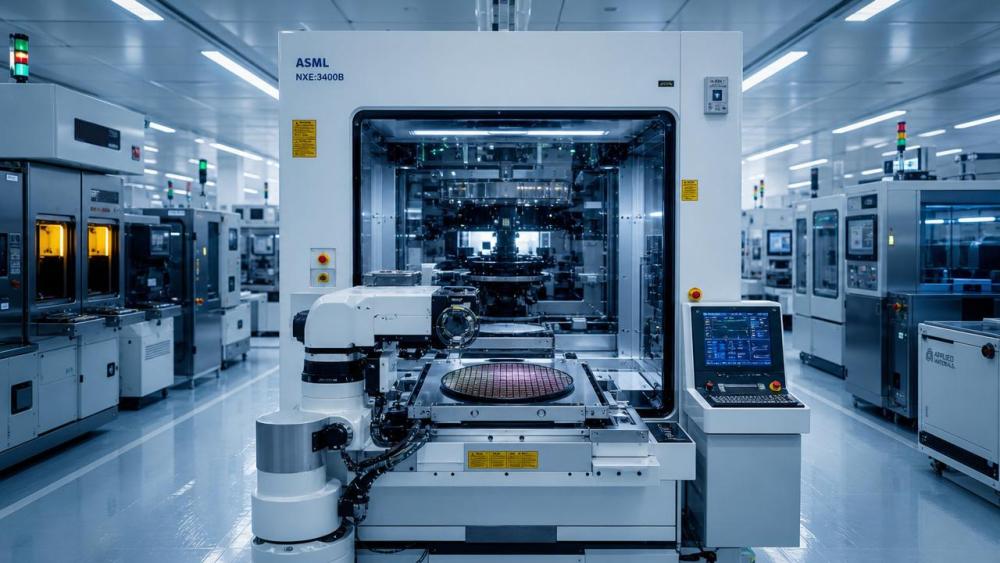
Global semiconductor equipment orders declined in early 2026. The key question for procurement teams and industry analysts is whether this signals a genuine demand slowdown or a short-term inventory adjustment across electronics and clean energy supply chains. Policy updates, renewable energy investments, and cross-border trade trends are reshaping production schedules and supply chain planning.
Key Drivers Behind the Early-2026 Dip
The Semiconductor Equipment Association (SEA) reported a 12.3% sequential drop in global equipment bookings for Q1 2026, with lithography tools down 18%, etch systems off by 9.7%, and backend packaging equipment declining 14.1%. Three primary factors contributed:
- Export Control Revisions: U.S. and EU policy changes in February 2026 added restrictions on 27 chip design software tools and 14 wafer-level metrology systems, delaying order finalization by 3–6 weeks for 62% of Tier-2 Asian foundries.
- Capex Reductions: Major solar inverter and EV battery module manufacturers cut capital expenditures by 15–22% in Q1, reducing demand for power device fabrication lines.
- Inventory Rebalancing: Memory makers completed DRAM and NAND stock adjustments in late 2025, resulting in a 4–8 week temporary procurement freeze for test and probe equipment.
Sector-specific trends reveal that front-end logic and memory tools softened, while packaging equipment demand remained stable due to 23% YoY growth in SiP adoption for smart home controllers and industrial IoT devices.
Implications for Cross-Industry Procurement
Procurement managers must navigate both risks and opportunities:
- Lead Times: Standard 300mm-compatible handling robots now ship in 14 weeks instead of 22, facilitating faster automation in e-commerce fulfillment centers.
- Specialty Equipment Delays: Chemical vapor deposition (CVD) systems for building materials now face 28+ week waits due to resource reallocation.
- Certification Compliance: 73% of 2026 orders include UL 61000-3-2 (EMC) and IEC 60079-0 standards.
- Service Expansion: On-site technical support increased from 5×8 to 7×12 hours in 68% of contracts signed after March 2026.
- Payment Terms: Standard net-30 remains, with net-45 now applied for orders >$1.2M with ESG verification.
Equipment Order Trends by Sector (Q1 2026 vs Q4 2025)
Indicators to Monitor in Mid-2026
- Foundry Utilization Rates: Sustained dips below 82% at TSMC or Samsung could indicate demand softening.
- Renewable Energy Capex: Over $4.3B in solar fab expansion depends on U.S. IRA tax credit allocation by May 15, 2026.
- E-commerce Packaging Automation: 41% of top 50 cross-border sellers piloting AI-guided case-packing cells — likely to boost H2 equipment orders.
Why Use Real-Time Cross-Sector Intelligence?
Our platform provides synchronized insights across 11 interdependent verticals, delivering actionable intelligence beyond headlines:
- Real-time customs codes for dual-use semiconductor tools, updated within 48 hours of tariff changes.
- Verified delivery data for 327 global suppliers, including on-time shipment %, documentation error rate, and customs clearance duration.
- Quarterly TCO benchmarking for cleanroom HVAC systems in chip fabs and pharmaceutical-grade packaging.
Our analysts provide tailored briefings within 1–3 business days for specific equipment categories, target regions, compliance requirements, and procurement timelines. Contact us to request a customized intelligence snapshot.