
10 Smart Home Decoration Ideas to Make Small Rooms Look Bigger and Brighter





Top Home Decoration Ideas to Make Small Rooms Feel Larger
Looking for effective ways to make small rooms feel more spacious and inviting? With smart choices in color, lighting, furniture, and storage, even the tiniest spaces can appear brighter, airier, and more functional. This guide shares actionable tips, practical examples, and room-specific strategies to help your home feel larger without major renovations.
Why Small Rooms Often Feel Cramped
Small rooms can feel confined due to scale, poor lighting, and visual clutter. Understanding the main causes helps target decoration strategies effectively:
- Furniture scale: Oversized pieces overwhelm compact spaces.
- Lighting: Dark corners and uneven illumination shrink perception.
- Color contrast: Heavy patterns or stark contrasts break visual continuity.
- Clutter: Exposed items create crowded, unorganized impressions.
Core Home Decoration Ideas for Small Spaces
Implement these principles to enhance the sense of space:
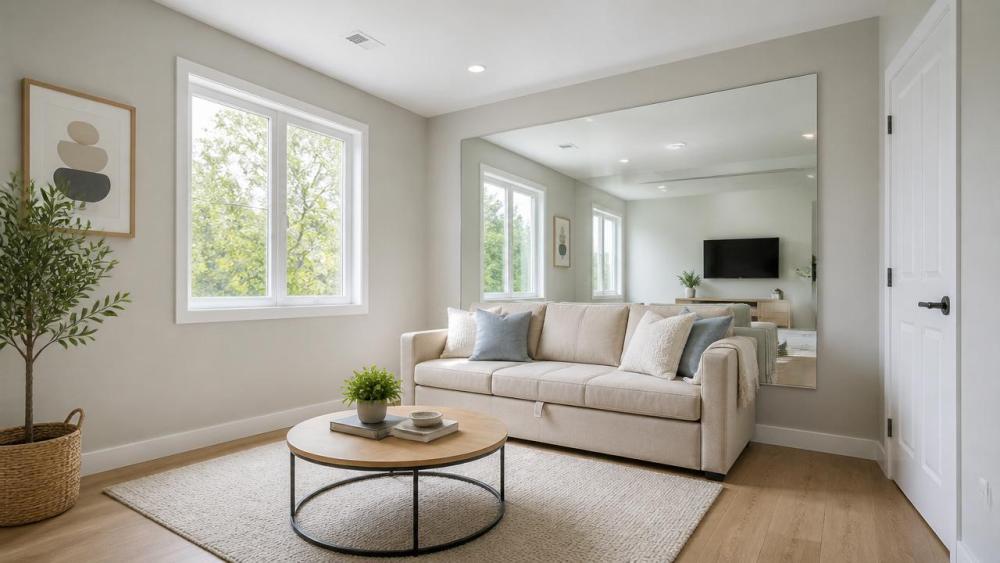
- Light, consistent wall colors: Soft whites, warm beige, pale gray, and muted greens create visual openness.
- Mirrors and reflective surfaces: Bounce natural and artificial light to enhance depth.
- Proportional furniture: Fewer, well-sized items maintain balance and flow.
- Multifunctional pieces: Storage ottomans, beds with drawers, and lift-top tables reduce clutter.
Layered lighting: Combine ceiling lights, wall sconces, and lamps for even illumination.
Color, Light, and Surface Choices
Optimizing these elements has an immediate effect on perceived room size:
Furniture Layout Tips for Better Flow
- Float furniture slightly forward rather than tight against walls.
- Use one clear focal point per room (window, artwork, or media wall).
- Low-profile and vertical furniture preserves visual height.
- Keep walkways clear around doors, beds, and seating.
Room-Specific Strategies
Common Mistakes to Avoid
- Oversized furniture dominating the room.
- Excessive decorative objects reducing breathing space.
- Dark window treatments blocking natural light.
- Ignoring storage habits, causing clutter to return quickly.
- Mixing too many style directions, creating visual tension.
Quick Action Plan to Apply These Ideas
- Observe and identify heavy, dark, or crowded spots.
- Declutter unnecessary items to reveal actual potential.
- Adjust major visual elements: wall color, curtains, rug, furniture placement.
- Measure furniture and spaces before buying new items.
- Test changes in both daylight and evening lighting conditions.
FAQ
- Do dark colors always make a small room feel smaller? Not necessarily. Dark tones can feel cozy, but lighter colors and reflective surfaces usually maximize openness.
- Are mirrors necessary in every small room? No. Mirrors help, but layout, clutter reduction, and proper lighting are often equally effective.
- Fastest upgrade for largest impact? Decluttering, improving lighting, and adjusting curtain placement are usually the quickest improvements.
Conclusion
Small rooms feel larger when visual distractions are minimized, light is optimized, and furniture supports flow and function. Start with one space, focus on clarity, and make incremental changes. These strategies, combined with careful observation and testing, transform even the most compact rooms into comfortable, stylish, and visually expansive environments.
Industries
Related News
- 00
0000-00
US Treasury Extends Russia Oil Sanctions Waiver by 30 Days - 00
0000-00
International Logistics Solutions for Heavy Machinery: Cost Risks and Route Planning in 2026 - 00
0000-00
Energy-saving home improvement ideas with faster payback - 00
0000-00
10 Smart Home Decoration Ideas to Make Small Rooms Look Bigger and Brighter - 00
0000-00
Shenyang Launches China's First 500,000-Ton Biomass Green Methanol/Ethanol Project
Weekly Insights
Stay ahead with our curated technology reports delivered every Monday.