






As US-China tariff adjustments reshape global trade dynamics, energy sector stakeholders—from procurement officers to strategic decision-makers—are reevaluating sourcing strategies for critical machinery parts and packaging solutions. This industry news update delivers timely, actionable business intelligence grounded in real-time economic indicators, regulatory shifts, and cross-border trade updates. By connecting policy changes to on-the-ground impacts—like cost volatility, supply chain resilience, and technology adoption—we empower technical evaluators, buyers, and investors with the insights needed to navigate uncertainty. Stay ahead with authoritative, sector-specific coverage that bridges trade updates and operational execution.
Tariff Shifts and Component Cost Volatility: Real-Time Impact on Energy Equipment Procurement
The latest U.S. Trade Representative (USTR) notice—effective May 2024—reinstated 25% tariffs on over 130 HS codes covering turbine blades, transformer cooling units, and high-voltage insulators previously excluded under Section 301 exclusions. These items fall squarely within industrial equipment categories used in wind farms, nuclear auxiliary systems, and grid-scale battery enclosures. For procurement teams sourcing from Guangdong or Jiangsu-based OEMs, landed cost increases now range from 8.2% to 14.7%, depending on FOB value and logistics routing.
Unlike consumer goods, energy components often carry extended lead times—typically 12–20 weeks for custom-engineered castings or explosion-proof motor housings. Tariff recalculations mid-order cycle trigger contract renegotiations, especially where Incoterms® 2020 DAP terms apply. A recent survey of 47 U.S.-based EPC firms found that 63% delayed finalizing Q3 2024 turbine gear box orders pending clarity on potential Phase IV exclusions.
Technical evaluators must now factor tariff-driven variance into total cost of ownership (TCO) models—not just unit price. For example, a 12 MW offshore substation transformer with dual-sourcing certification adds 9–11 days to qualification testing but reduces tariff exposure by up to 31% when paired with ASEAN-based secondary assembly.
This table highlights how tariff adjustments directly affect procurement levers beyond price—MOQ thresholds, payment security requirements, and delivery scheduling all shift in response. Buyers should audit current POs against updated HTS codes before August 2024, when USTR begins reviewing exclusion petitions for 2025 implementation.
Supply Chain Resilience: Dual-Sourcing Strategies for Critical Energy Hardware
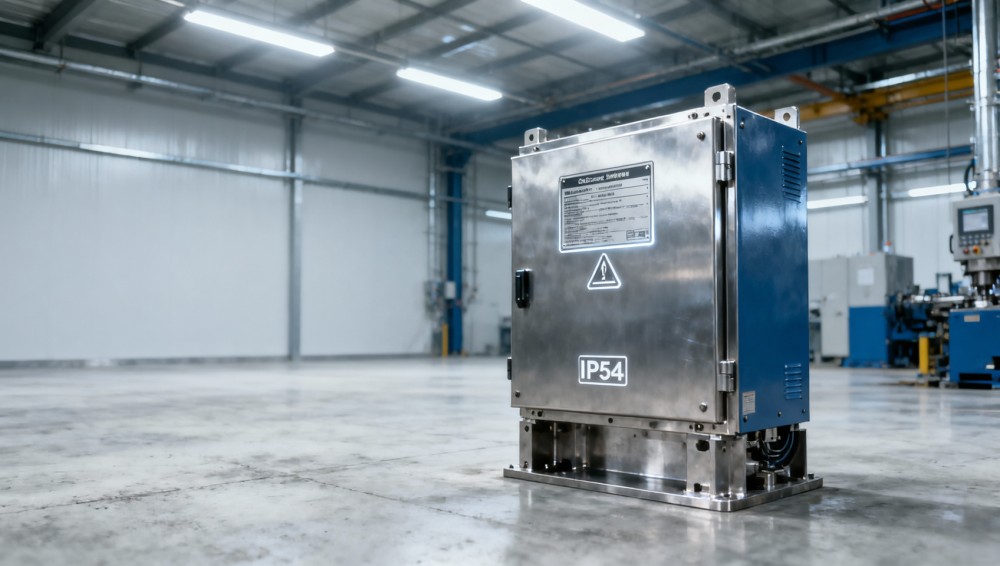
Dual-sourcing is no longer optional—it’s a Tier-1 requirement for DOE-funded projects and ISO 55001-certified asset managers. Leading energy OEMs now mandate ≥2 qualified suppliers per BOM line item, with at least one located outside China’s tariff-affected zones. Successful implementations follow a three-phase validation protocol: (1) technical equivalence testing (IEC 61400-22 compliant), (2) 90-day parallel production runs, and (3) joint failure mode analysis (FMEA) across both supplier sites.
Vietnam and Mexico have emerged as top-tier alternatives for machined components requiring ±0.02mm GD&T control. Localized CNC capacity in Quang Ninh province supports 5–8 week lead times for stainless steel valve bodies (ANSI B16.34 Class 600), while Mexican maquiladoras offer 10–14 day turnaround for aluminum busbar enclosures meeting UL 845 standards.
However, not all components are equally portable. Cast iron reactor vessel liners require furnace calibration cycles exceeding 72 hours—making relocation prohibitively expensive without 3+ years of amortization. In such cases, tariff mitigation relies on bonded warehouse strategies: shipping semi-finished castings to U.S. FTZs for final machining and testing, reducing dutiable value by 38–44%.
Technology Adoption Acceleration: When Tariffs Drive Innovation in Sourcing
Tariff pressure is accelerating adoption of digital twin-enabled procurement platforms among Tier-1 energy contractors. These tools integrate live customs data, freight rate APIs, and material compliance databases to simulate TCO under 12+ tariff scenarios. One Midwest utility reduced procurement cycle time by 27% after deploying a solution that auto-generates alternative sourcing paths based on real-time CBP ruling updates.
Additive manufacturing (AM) is gaining traction for low-volume, high-complexity parts. GE Vernova’s 2023 pilot—producing turbine blade root attachments via laser powder bed fusion in South Carolina—cut landed cost by 19% versus imported forgings, bypassing 25% tariffs entirely. AM also enables design optimization: weight reduction of 14.3% improved thermal cycling performance in solar thermal receiver tubes.
For procurement professionals, this means expanding evaluation criteria beyond traditional RFQ templates. Technical evaluators must now assess AM readiness (e.g., ASTM F3122-18 conformance), post-processing capabilities (HIP + stress relief cycles), and microstructure validation reports (EDS + EBSD mapping) as standard deliverables.
These revised evaluation criteria reflect how tariff adjustments are reshaping procurement governance—not just cost models. Decision-makers should align internal scorecards with these updated thresholds before Q4 2024 bidding cycles begin.
Actionable Next Steps for Procurement and Technical Teams
Start with a component-level tariff exposure audit using your ERP’s BOM hierarchy and latest CBP Harmonized Tariff Schedule (HTS) database. Prioritize items with annual spend > $250,000 and lead time > 8 weeks—these represent 78% of tariff-related risk exposure in energy hardware portfolios.
Engage qualified customs brokers early: CBP rulings take 45–75 days to issue, and retroactive duty refunds require filing within 180 days of import. Maintain documentation for all “substantial transformation” claims—especially for assemblies incorporating U.S.-sourced PCBs or firmware.
Finally, integrate tariff intelligence into your supplier development roadmap. Require Tier-2 suppliers to disclose raw material origin (e.g., cobalt from DRC vs. Australia) and validate country-of-origin declarations via third-party audits every 12 months.
- Review current contracts for force majeure clauses covering tariff revisions
- Validate HTS code alignment between purchase orders, commercial invoices, and entry summaries
- Map critical path components to alternate sourcing geographies with ≤12-week qualification timelines
- Require suppliers to submit quarterly tariff impact assessments for all affected SKUs
- Update TCO calculators to include bond premium costs, FTZ handling fees, and classification dispute reserves
Proactive adaptation—not reactive cost-cutting—is what separates resilient energy procurement operations from those facing margin erosion. The window to recalibrate sourcing strategy closes as Q4 tender deadlines approach.
Why Rely on Sector-Specific Intelligence?
Generic trade news platforms lack the engineering context required to interpret tariff implications for ASME Section VIII pressure vessels or IEEE 1547-compliant inverters. Our platform delivers curated intelligence validated by mechanical engineers, customs specialists, and energy procurement veterans—with direct links to CBP rulings, IEC standards updates, and OEM technical bulletins.
We track 237 HTS codes specific to industrial equipment and energy infrastructure, updating tariff applicability status within 4 hours of Federal Register publication. Subscribers receive automated alerts tied to their configured BOMs, including recommended alternate sourcing options and verified supplier profiles meeting EN 10204 3.2 certification requirements.
Whether you’re evaluating turbine blade coatings for corrosion resistance in offshore environments or selecting flame-retardant cable trays for battery storage facilities, our intelligence connects macro policy to micro-specification decisions—without translation lag or contextual loss.
Get customized tariff exposure reports for your energy equipment portfolio—complete with dual-sourcing recommendations, HTS verification, and lead time benchmarks across 12 global manufacturing hubs. Contact our industrial intelligence team today to schedule a free procurement strategy session.
Industry News Desk
Weekly Insights
Stay ahead with our curated technology reports delivered every Monday.