
China Foundry Association's T/CFA 0501-2026 Green Casting Evaluation Standard Takes Effect, EU Buyers Require Self-Assessment Reports from Leading Exporters





Introduction
On March 20, 2026, the China Foundry Association's updated group standard T/CFA 0501-2026 Green Casting Evaluation Standard officially came into effect. This standard introduces new quantitative indicators such as carbon footprint calculation, recycled material usage rate, and VOCs online monitoring. Notably, German and Dutch automotive component suppliers have already requested leading Chinese casting exporters to submit self-assessment reports based on this standard. This development is particularly relevant for the casting industry, automotive supply chain, and export-oriented manufacturing sectors, as it may become a de facto pre-export compliance requirement.
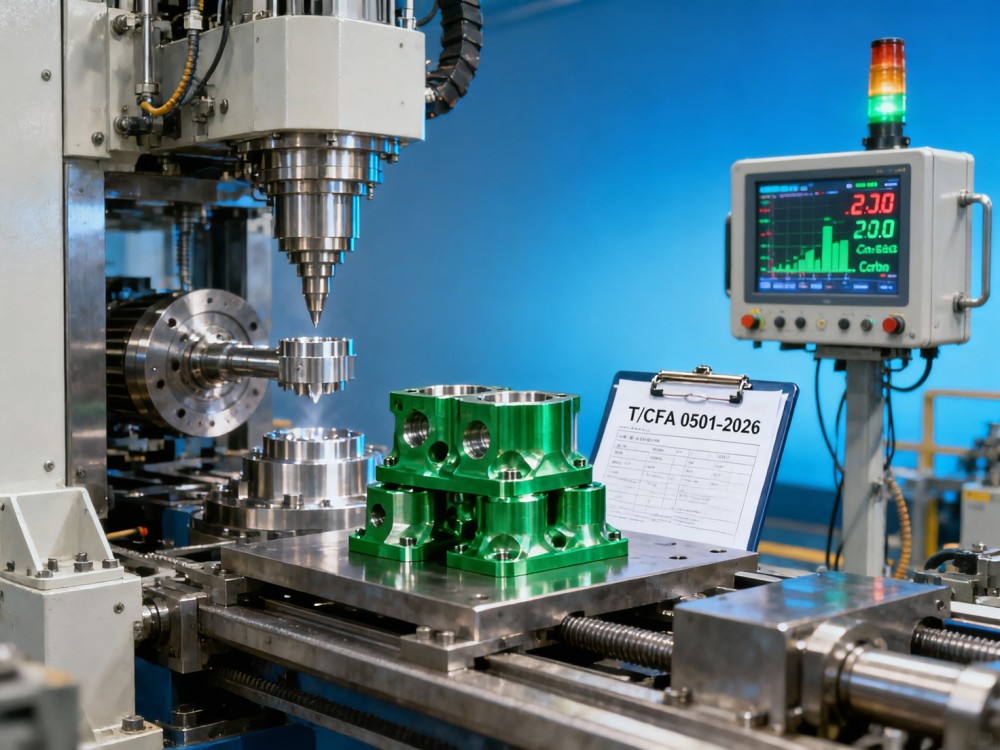
Event Overview
The T/CFA 0501-2026 standard, implemented on March 20, 2026, represents a significant update to China's casting industry regulations. Key new requirements include mandatory carbon footprint accounting, specific thresholds for recycled material incorporation, and real-time VOCs emission monitoring. According to available information, multiple Tier 1 automotive suppliers from Germany and the Netherlands have formally notified Chinese casting exporters in March 2026 to complete green self-assessments under this standard and submit third-party verification plans.
Impact on Specific Industry Segments
Export-Oriented Casting Manufacturers
Companies supplying cast components to EU markets face immediate compliance pressure. The standard's requirements for carbon accounting and recycled material tracking necessitate operational adjustments and potential process upgrades. From an industry perspective, this may particularly affect manufacturers of automotive castings, industrial machinery components, and hydraulic system parts.
Raw Material Suppliers
Suppliers of casting materials will need to provide detailed environmental data, especially regarding recycled content. The standard's emphasis on material traceability may require enhanced documentation systems throughout the supply chain.
Testing and Certification Services
Third-party verification requirements create new demand for accredited environmental assessment services. Certification bodies may need to develop specific protocols for evaluating compliance with the standard's quantitative indicators.
Key Focus Areas and Recommended Actions
Prioritize Documentation Systems
Establish robust tracking mechanisms for material inputs and energy consumption to support carbon footprint calculations. Current information suggests that EU buyers are particularly scrutinizing these aspects.
Conduct Gap Analysis
Perform comprehensive assessments against the standard's specific thresholds (e.g., minimum recycled material percentages) to identify necessary operational changes.
Engage with Certification Providers
Initiate discussions with accredited third parties regarding verification timelines and requirements, as the standard appears to be moving toward mandatory certification for EU exports.
Monitor Buyer Requirements
Track specific implementation timelines from major EU customers, as individual companies may enforce the standard differently despite its official March 2026 implementation.
Editorial Perspective
From an industry observation standpoint, this development signals three key trends: 1) EU environmental compliance requirements are extending deeper into Chinese industrial supply chains; 2) Industry standards are increasingly incorporating measurable sustainability metrics rather than general guidelines; and 3) The line between voluntary standards and mandatory export requirements continues to blur. While the standard is newly implemented, its rapid adoption by EU buyers suggests it should be treated as an immediate operational priority rather than a future consideration.
Conclusion
The T/CFA 0501-2026 standard represents a significant evolution in environmental requirements for China's casting industry, particularly affecting EU-focused exporters. More than a technical specification, it appears to be developing into a market access mechanism. At this stage, industry participants would be prudent to treat it as an operational compliance requirement rather than a voluntary guideline, especially when serving EU automotive supply chains.
Source Information
Primary source: China Foundry Association's official announcement regarding T/CFA 0501-2026 implementation. Additional information from verified buyer notifications to Chinese exporters as of March 2026. Ongoing monitoring recommended for official interpretations of specific standard requirements and any updates to EU importers' implementation timelines.
Industries
Related News
- 00
0000-00
US Treasury Extends Russia Oil Sanctions Waiver by 30 Days - 00
0000-00
International Logistics Solutions for Heavy Machinery: Cost Risks and Route Planning in 2026 - 00
0000-00
Energy-saving home improvement ideas with faster payback - 00
0000-00
10 Smart Home Decoration Ideas to Make Small Rooms Look Bigger and Brighter - 00
0000-00
Shenyang Launches China's First 500,000-Ton Biomass Green Methanol/Ethanol Project
Weekly Insights
Stay ahead with our curated technology reports delivered every Monday.