
2026 Automated Assembly Equipment: How to Choose the Right Manufacturer





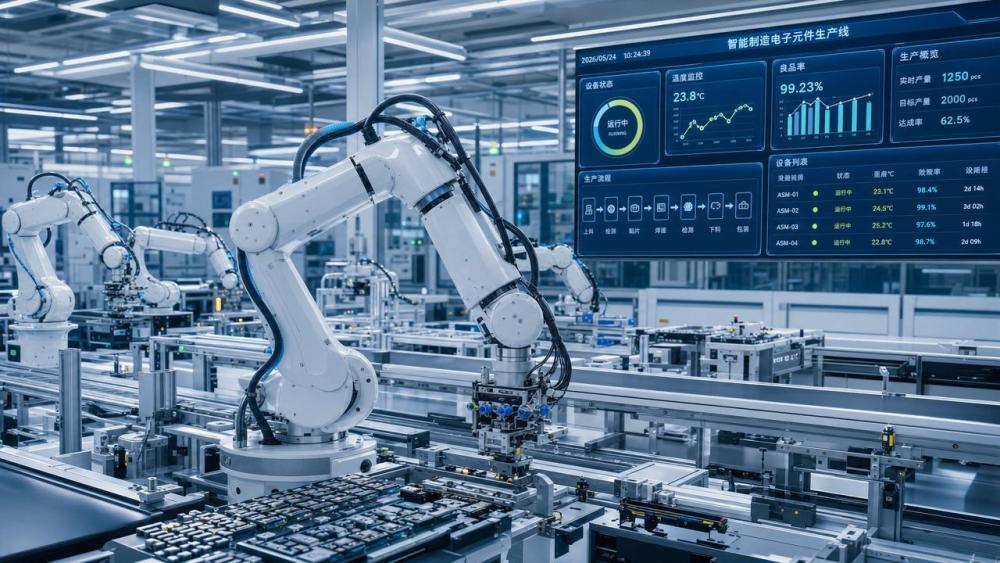
Choosing the right automated assembly equipment manufacturers in 2026 requires more than just price comparison. Modern production demands, software integration, flexibility, and service readiness now define long-term value across industries such as electronics, packaging, home improvement, chemicals, and machinery.
Why Evaluation Standards Are Shifting in 2026
Traditional single-purpose systems no longer suffice. Key trends include:
- Modular engineering supporting product variation and rapid line adjustment
- Software-led performance: motion control, machine vision, MES connectivity
- Unpredictable lead times and component availability
- Cross-border compliance and certification requirements
Key Signals Across Industries
- Demand for flexible assembly cells over rigid lines
- Emphasis on traceability, inspection, and data integration
- Quick changeover and multi-SKU compatibility
- Remote support and spare parts planning
- Energy efficiency, safety standards, and lifecycle cost
Drivers Behind the New Evaluation Logic
Critical Comparison Points in 2026
- Application experience in similar products and production volumes
- Customization for fixtures, feeding, testing, and vision systems
- Design transparency and risk review processes
- Component brand strategy and long-term spare support
- Software openness for MES, ERP, and traceability integration
- Cycle time consistency, first-pass yield, and reject handling
- Safety compliance and export certification readiness
- Installation, training, and service escalation protocols
Assessing Long-Term Value Over Headline Price
Practical Steps to Reduce Sourcing Risk
- Define product variability, takt time, inspection needs, and data interface requirements
- Request detailed process proposals, not just catalog models or prices
- Compare project schedules, key components, and acceptance standards side by side
- Verify references in similar industries and production volumes
- Test service responsiveness through technical discussions before signing contracts
- Review total cost over 3–5 years including upgrades and spare parts
In 2026, the best automated assembly equipment manufacturers are those that convert process realities into stable, adaptable, and supportable production systems. Using a structured comparison framework and evidence-based assessment can prevent commissioning delays, weak yields, and unnecessary retrofit costs.
Industries
Related News
- 00
0000-00
US Treasury Extends Russia Oil Sanctions Waiver by 30 Days - 00
0000-00
International Logistics Solutions for Heavy Machinery: Cost Risks and Route Planning in 2026 - 00
0000-00
Energy-saving home improvement ideas with faster payback - 00
0000-00
10 Smart Home Decoration Ideas to Make Small Rooms Look Bigger and Brighter - 00
0000-00
Shenyang Launches China's First 500,000-Ton Biomass Green Methanol/Ethanol Project
Weekly Insights
Stay ahead with our curated technology reports delivered every Monday.