





Introduction
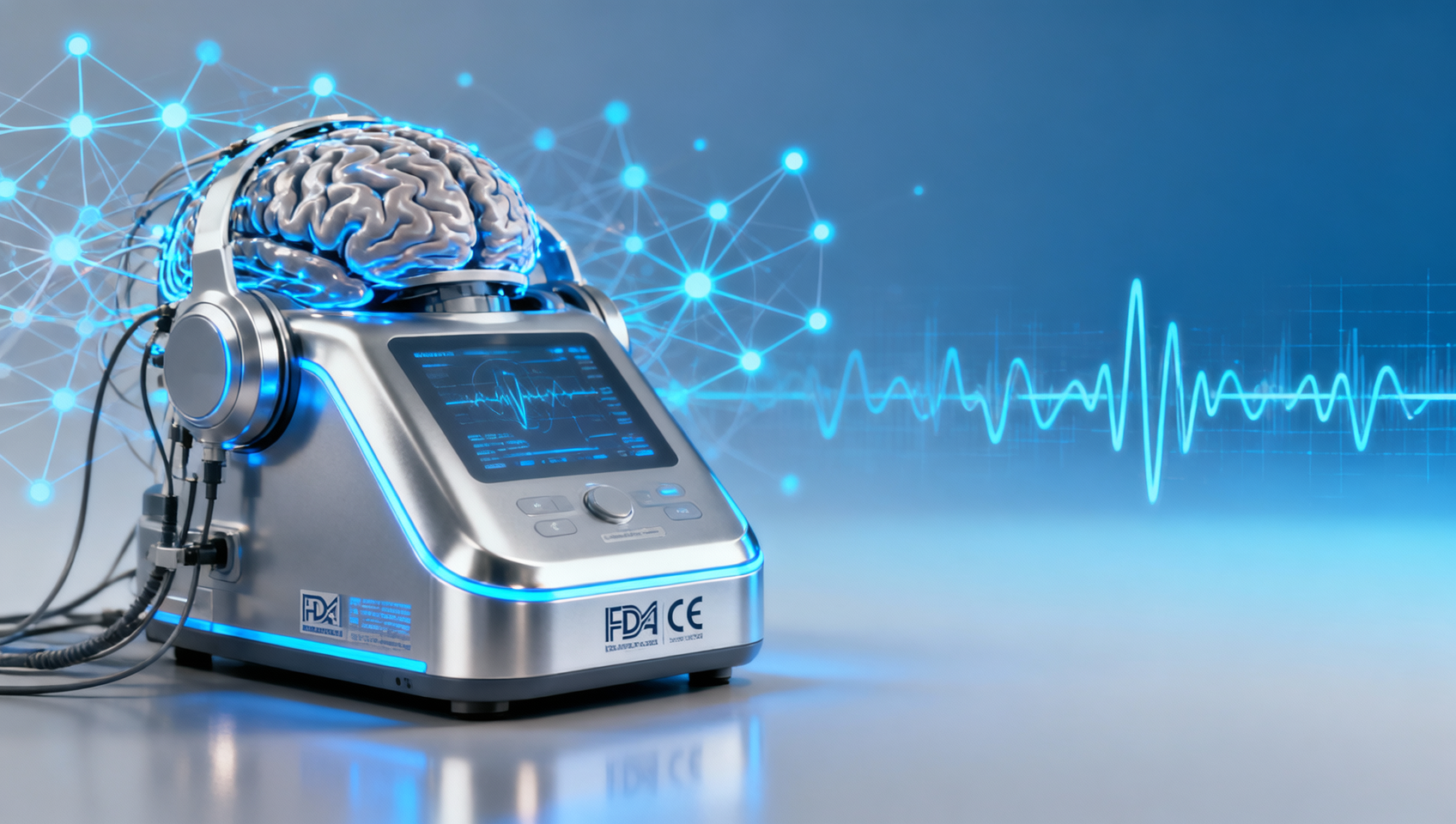
The 93rd China International Medical Equipment Fair (CMEF) showcased a significant trend: brain-computer interface (BCI) rehabilitation devices from Chinese manufacturers like Xiangyu Medical and Weisi Medical, all certified by FDA/CE standards. This development highlights China's growing capability in high-value medical electronics R&D and international certification, offering cost-effective alternatives for professional medical institutions and distributors in Europe, the Middle East, and Southeast Asia. The event underscores a pivotal shift in the global medical electronics landscape, making it essential for stakeholders in healthcare technology and trade to take note.
Event Overview
The 93rd CMEF featured prominent displays of BCI-based rehabilitation equipment, including stroke assistance training and spinal cord injury mind-control systems. These products, developed by Chinese firms such as Xiangyu Medical and Weisi Medical, have obtained FDA/CE certifications, demonstrating their compliance with international standards. The exhibition signals China's advancing role in high-end medical electronics, particularly in niche applications like neurorehabilitation.
Impact on Sub-Sectors
Medical Device Manufacturers
Domestic manufacturers specializing in neurorehabilitation and assistive technologies may face increased competition as more Chinese firms enter the market with certified products. However, this also opens opportunities for collaboration or sourcing cost-effective alternatives.
Exporters and Distributors
Exporters targeting欧美、中东, and东南亚 markets can leverage these certified products to expand their portfolios. The availability of clinically validated, affordable BCI devices could disrupt traditional supply chains dominated by Western manufacturers.
Healthcare Providers
Hospitals and rehabilitation centers in price-sensitive markets may benefit from these alternatives, potentially lowering treatment costs while maintaining quality standards.
Key Focus Areas and Recommendations
Monitor Certification Trends
Companies should track the expansion of FDA/CE-certified Chinese medical devices, as this could reshape procurement strategies and competitive dynamics.
Evaluate Market-Specific Demand
Distributors should assess regional demand for BCI applications, such as stroke rehabilitation in aging populations or spinal injury care in emerging markets.
Strengthen Supplier Partnerships
Engaging early with Chinese manufacturers like Xiangyu or Weisi could secure advantageous terms as these firms scale their international operations.
Editorial Perspective
From an industry standpoint, CMEF's BCI focus reflects China's strategic push into high-margin medical electronics. While still an emerging signal rather than a mature trend, the rapid certification progress suggests this sector warrants close monitoring. The convergence of affordability and clinical validation could accelerate adoption in cost-conscious markets.
Conclusion
This development represents a milestone in China's medical electronics evolution, positioning its exporters as viable players in高端 neurotechnology. Stakeholders should view this as a validation of China's technical capabilities rather than a transient market fluctuation, with strategic adjustments recommended for long-term positioning.
Sources
Primary information derived from 93rd CMEF exhibition materials and participating company disclosures. Ongoing verification recommended for certification details and clinical trial data.
Related News
- 00
0000-00
Brain-Computer Interface Emerges as Core Focus at CMEF, Marking New Phase in China's High-End Medical Electronics Exports - 00
0000-00
Semiconductor equipment orders dipped in early 2026 — is it demand softening or inventory correction? - 00
0000-00
Export quotation accuracy directly impacts customs valuation — here’s how - 00
0000-00
Changan Auto's E-Pump Tech to Boost PC & Server Cooling - 00
0000-00
Ubtech and Honda Trading Partner on Humanoid Robots and Autonomous Logistics
Electronics & Tech Desk
Weekly Insights
Stay ahead with our curated technology reports delivered every Monday.