





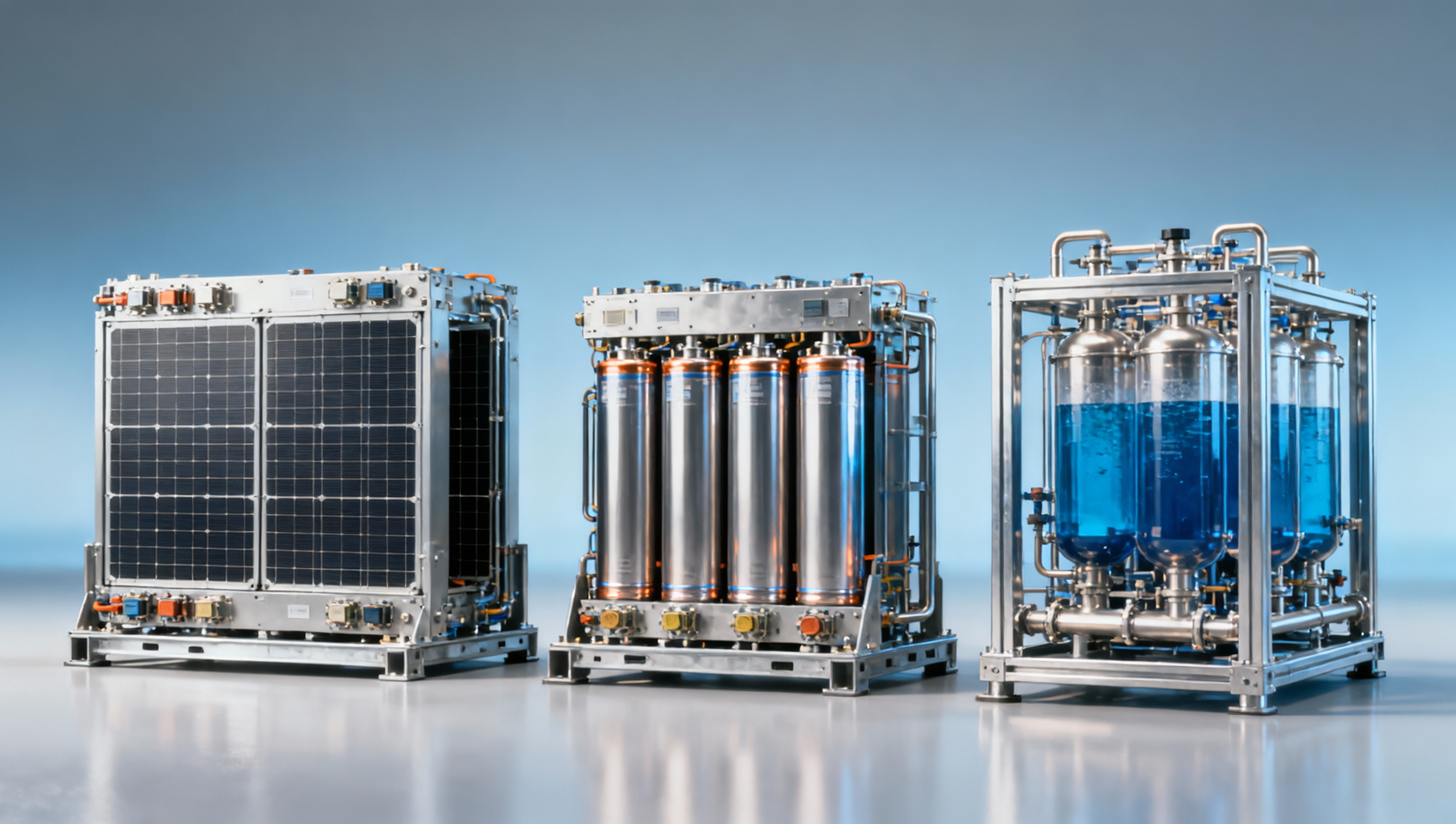
Global energy markets closed Q4 2025 with record-breaking new energy storage deployments—yet lithium-ion dominance is being challenged by emerging chemistries like sodium-ion and flow batteries. This shift reflects evolving policy updates, tightening supply chains, and accelerating clean energy adoption worldwide. As renewable energy integration surges, stakeholders across manufacturing, electronics, chemicals, and cross-border e-commerce are reassessing infrastructure investments. With building materials market dynamics, packaging equipment innovation, and semiconductor supply constraints all influencing deployment scalability, decision-makers must align technology choices with global trade trends and regional regulatory frameworks. Stay ahead with actionable insights on how these developments impact procurement, product strategy, and long-term energy planning.
Why Battery Chemistry Choice Is Now a Strategic Procurement Decision
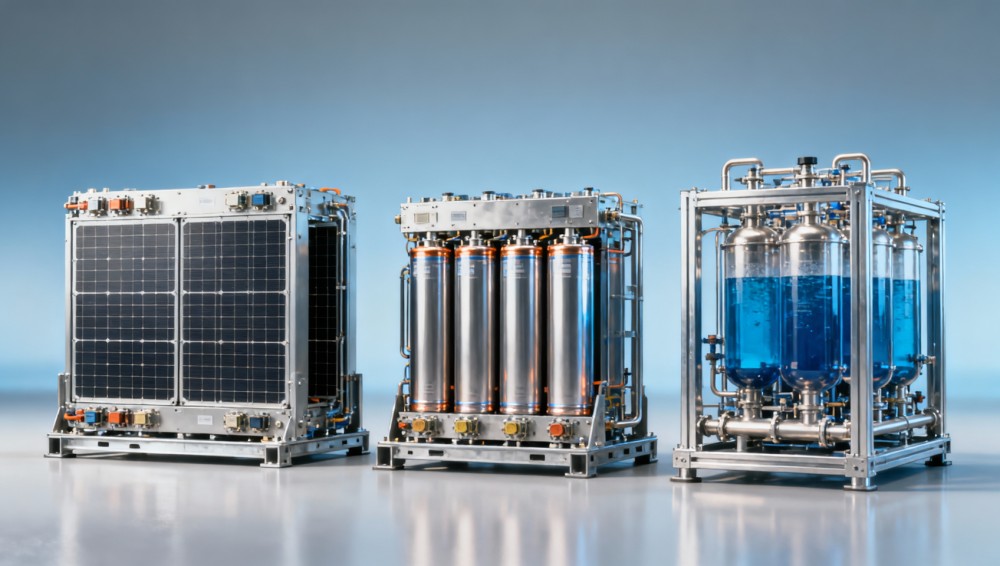
In Q4 2025, global new energy storage installations reached 32.8 GWh — a 41% YoY increase and the highest quarterly volume on record. But growth isn’t uniform: lithium-ion accounted for 68% of deployments, down from 76% in Q4 2024. Sodium-ion systems captured 14% of new utility-scale projects, while vanadium redox flow batteries gained traction in 22 countries — especially where 8–12 hour duration requirements apply.
This divergence signals a pivot from pure cost-per-kWh optimization to total-system evaluation. For procurement teams in manufacturing, chemicals, and building materials sectors, chemistry selection now directly affects import compliance (e.g., EU Battery Regulation 2023/1542), raw material sourcing lead times (lithium carbonate lead time extended to 12–16 weeks in Q4), and packaging logistics (sodium-ion cells require less stringent thermal containment than NMC).
Cross-border e-commerce platforms reported a 29% rise in B2B inquiries for modular storage kits compatible with multiple chemistries — indicating demand for interoperable hardware that supports future chemistry swaps without full system replacement.
How Application Scenarios Drive Chemistry Selection
Grid-Scale vs. Industrial Microgrids
Grid-scale projects (>100 MW) increasingly favor flow batteries for 8+ hour discharge durations required under new EU and U.S. interconnection standards. In contrast, industrial microgrids serving machinery or packaging lines prioritize cycle life and fast response — making LFP lithium-ion the default for 92% of facilities with sub-50 MW capacity.
E-Commerce Fulfillment Centers & Cold Chain Logistics
Cold storage warehouses deploying solar-plus-storage saw 3.5x faster ROI using sodium-ion systems — thanks to lower temperature sensitivity (operational range: −20°C to 60°C) and reduced fire suppression infrastructure costs versus lithium-ion. These deployments averaged 2.1 MW per site and required only 3-week commissioning cycles.
Comparing Core Chemistries Across 5 Procurement Dimensions
Procurement and engineering teams evaluating storage solutions must weigh more than nominal capacity. The table below compares four mainstream chemistries against criteria critical to manufacturing, chemicals, and international trade stakeholders:
Note: Flow battery data omitted due to non-standardized cell formats — project-specific engineering validation remains required for vanadium and zinc-bromide variants. All timelines reflect Q4 2025 industry benchmarks across 12 major OEMs and Tier-1 integrators.
What Decision-Makers Should Prioritize in 2026 Sourcing Plans
For enterprise buyers and technical evaluators, three actions deliver measurable value in early 2026:
- Require chemistry-agnostic BMS architecture in RFPs — ensures compatibility with future sodium-ion or solid-state upgrades without hardware replacement.
- Validate local recycling pathways before awarding contracts: EU Battery Regulation mandates 50% recycled content by 2027; U.S. IRA requires domestic processing for 40% of critical minerals.
- Factor in packaging equipment compatibility: sodium-ion modules weigh ~15% more per kWh but generate 40% less thermal load — reducing HVAC specs for warehouse integration.
Manufacturers supplying electronics or home improvement products reported 23% higher order conversion when offering pre-certified storage bundles with UL 9540A and IEC 62619 documentation included.
Why Partner With Our Industry Intelligence Platform
We deliver real-time, cross-sector intelligence tailored for procurement, engineering, and strategic planning teams — not generic headlines. Our Q4 2025 Energy Storage Intelligence Report includes:
- Chemistry-specific tariff codes and HS classifications for 38 export markets — updated weekly.
- Supplier risk scoring across 210+ battery manufacturers, including raw material exposure, ESG audit status, and lead time volatility metrics.
- Interactive scenario planner: model ROI under 7 regulatory assumptions (e.g., EU CBAM phase-in, U.S. IRA clawback thresholds, ASEAN carbon pricing pilots).
Request your customized briefing today — covering parameter validation, regional compliance mapping, or supplier shortlist development for upcoming RFPs in energy, chemicals, or industrial automation.
Related News
- 00
0000-00
New energy storage deployments hit record volume in Q4 2025 — but battery chemistry choices remain split - 00
0000-00
Renewable energy project approvals slowed in Europe — is grid integration the real bottleneck? - 00
0000-00
Energy Man or Energy Manager? Why Job Titles Matter in Sustainable Procurement - 00
0000-00
Baofeng Energy's Green Hydrogen Model Gains Global Attention Amid Geopolitical Tensions - 00
0000-00
Qingdao to Boost 57 Billion-Yuan Auto Projects, Accelerating NEV 'Three Electric' Exports
Energy Insights Desk
Weekly Insights
Stay ahead with our curated technology reports delivered every Monday.