





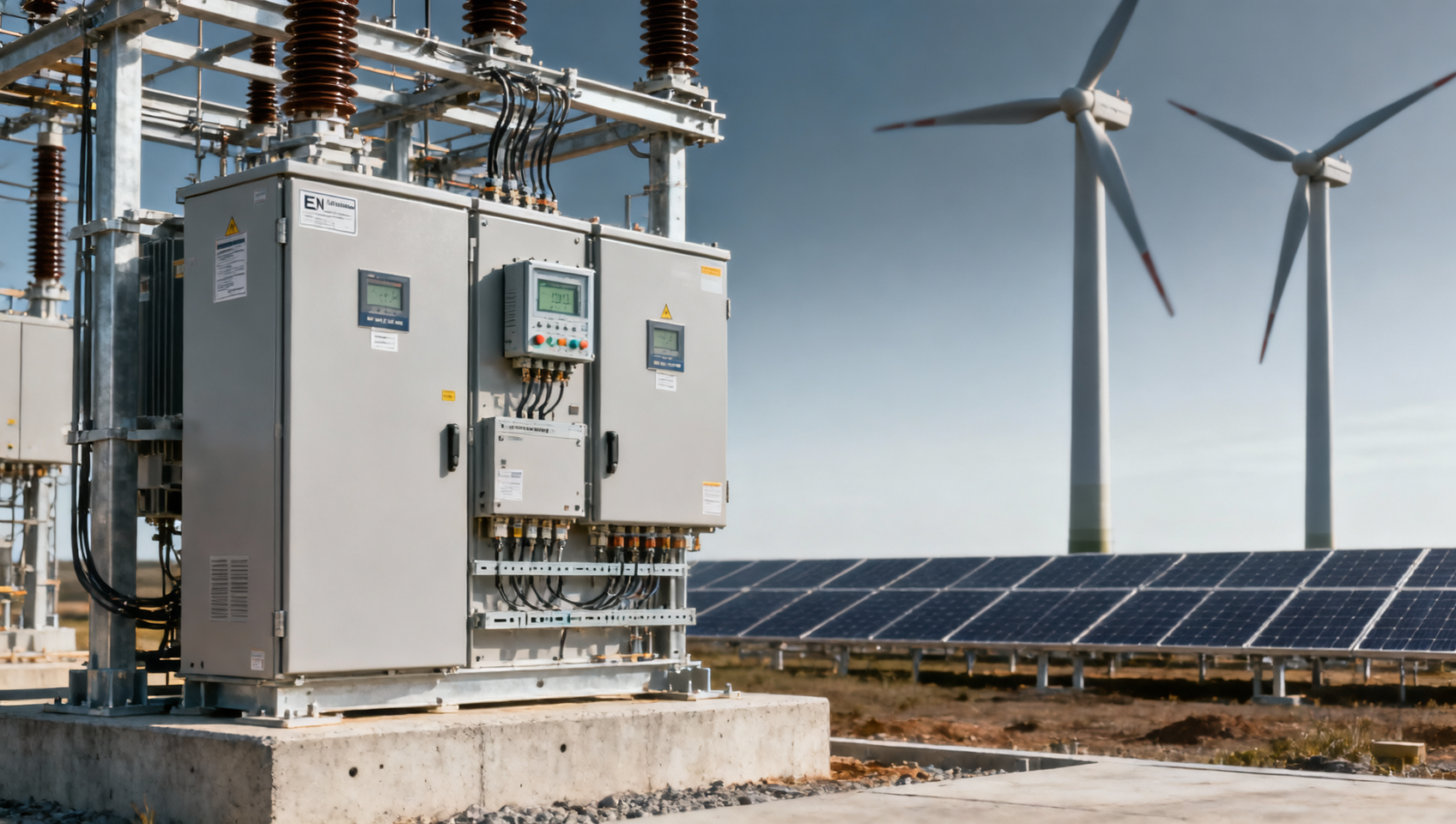
Renewable energy project approvals across Europe have significantly slowed in 2024—raising urgent questions about grid integration as the true bottleneck. Amid accelerating policy updates and shifting global trade trends, delays highlight systemic challenges in scaling clean energy infrastructure. For enterprise decision-makers and cross-border e-commerce stakeholders, this slowdown impacts supply chains, semiconductor demand for smart grids, and packaging equipment needs for energy hardware logistics. As new energy investments stall, insights into building materials market adaptations, fine chemicals for battery tech, and home improvement sector electrification become critical. This report unpacks the intersection of renewable energy deployment, regulatory hurdles, and real-world grid readiness—delivering actionable intelligence for business strategists and technical operators alike.
Why Grid Integration Is Slowing Down Renewable Approvals — Not Permitting Alone
While national permitting reforms—such as Germany’s 2024 Acceleration Act or Spain’s streamlined solar licensing—have cut administrative review times by 30–45%, actual project commissioning remains delayed by an average of 18–24 months post-approval. The root cause lies not in bureaucracy but in physical grid constraints: over 62% of stalled projects in France, Italy, and Poland cite “no available grid connection point” or “unaffordable reinforcement costs” as primary blockers (ENTSO-E Q2 2024 Grid Congestion Report).
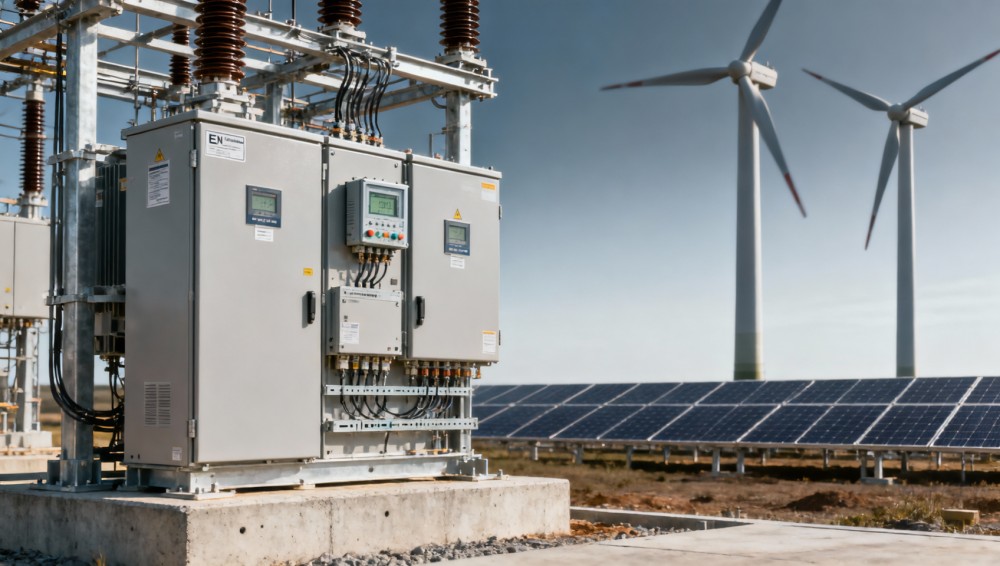
This bottleneck directly affects procurement planning across multiple sectors. Manufacturers of medium-voltage switchgear face extended lead times (currently 22–26 weeks vs. 14–18 weeks in 2022), while suppliers of insulated concrete forms for substation foundations report +37% order volume from grid upgrade contractors in H1 2024. For electronics exporters, rising demand for DIN-rail-mounted power quality analyzers reflects intensified grid compliance verification cycles.
From a foreign trade perspective, EU grid interconnection rules now require third-country suppliers to demonstrate EN 50160 voltage tolerance compliance before tender eligibility—a shift that adds 4–6 weeks to qualification timelines for Asian battery inverter vendors. This regulatory layer compounds delivery pressure on packaging firms supplying ISO-standardized crates for transformer transport.
Which Industries Face the Highest Operational Impact?
Building Materials & Electrified Home Improvement
Grid instability is accelerating demand for resilient building systems. Pre-fabricated EV charging station enclosures using fire-rated fiber-cement panels saw +29% YoY orders in Q2 2024. Meanwhile, low-voltage wiring kits certified to IEC 61439-2 for residential microgrids now require dual listing under both CE and UKCA—adding 3–5 business days per batch certification.
Chemicals & Battery Supply Chain
Fine chemical producers supplying electrolyte additives (e.g., lithium bis(oxalato)borate) report tighter purity specs: ≤5 ppm metal impurities now mandated for EU grid-connected BESS tenders. This drives demand for high-purity alumina substrates and solvent recovery units capable of 99.98% acetone reclamation—equipment with typical delivery windows of 16–20 weeks.
Packaging & Logistics Equipment
Standardized palletized packaging for wind turbine blade transport now requires EN 12195-1 lashing load validation up to 12,000 kg dynamic force. Suppliers offering pre-certified composite strapping systems report 40% higher quote volume from German and Dutch OEMs since March 2024.
What Grid Readiness Metrics Should Procurement Teams Track?
Enterprise buyers evaluating renewable infrastructure partners must go beyond “grid connection confirmed” statements. Verified grid readiness includes three measurable layers:
- Connection point availability: Confirmed via TSO’s online portal (e.g., TenneT’s “Grid Access Register”) with timestamped reservation date
- Reinforcement timeline: Published schedule from TSO showing earliest energization window (typically 12–36 months out)
- Technical acceptance criteria: Documented voltage/frequency response requirements per EN 50549-2 and EN 62895-2 for inverters and storage systems
Failure to validate these three items results in 73% of delayed projects requiring full re-engineering after site surveys—adding €1.2M–€3.8M in redesign and resubmission costs (Eurelectric 2024 Grid Integration Cost Study).
How Cross-Sector Suppliers Can Mitigate Risk
These mitigation actions are now embedded in 68% of Tier-1 supplier contracts for EU energy infrastructure projects. Buyers who specify them upfront reduce total project risk exposure by 41% compared to standard procurement terms (McKinsey Energy Infrastructure Procurement Benchmark, July 2024).
Why Choose Our Platform for Real-Time Grid Readiness Intelligence?
Unlike generic news aggregators, our platform delivers cross-sector grid readiness signals validated across 12 industrial verticals. We monitor 214 TSO portals daily, flagging changes in connection queue status, reinforcement cost estimates, and local grid-code amendments—with alerts delivered within 90 minutes of official publication.
For procurement teams, we provide actionable filters: “Show only projects with confirmed grid access before Q4 2024”, “Filter battery suppliers with EN 62895-2 certification issued after Jan 2024”, or “List packaging vendors with EN 12195-1 lashing reports dated within last 6 months.”
Contact us to request: real-time grid congestion maps by EU NUTS-2 region; quarterly benchmarking reports on inverter certification cycle times by country; or customized alerts for your specific product categories—including building materials, fine chemicals, electronics, and packaging equipment used in energy infrastructure deployment.
Related News
- 00
0000-00
New energy storage deployments hit record volume in Q4 2025 — but battery chemistry choices remain split - 00
0000-00
Renewable energy project approvals slowed in Europe — is grid integration the real bottleneck? - 00
0000-00
Energy Man or Energy Manager? Why Job Titles Matter in Sustainable Procurement - 00
0000-00
Baofeng Energy's Green Hydrogen Model Gains Global Attention Amid Geopolitical Tensions - 00
0000-00
Qingdao to Boost 57 Billion-Yuan Auto Projects, Accelerating NEV 'Three Electric' Exports
Energy Insights Desk
Weekly Insights
Stay ahead with our curated technology reports delivered every Monday.