





In 2025, global trade trends and tightening supply chains triggered double-digit price hikes across key renovation materials — yet building materials market dynamics varied sharply by category. While policy updates on carbon compliance and incentives for clean energy reshaped input costs, sectors like fine chemicals and packaging equipment saw milder inflation, contrasting with steep rises in home decoration and semiconductor-related construction materials. This divergence reflects broader shifts in renewable energy adoption, cross-border e-commerce logistics, and electronics-driven demand. For business decision-makers and procurement professionals, understanding these granular patterns is critical to navigating cost volatility, optimizing sourcing strategies, and aligning with evolving energy and regulatory landscapes.
Which Home Decoration Material Categories Saw the Highest Price Increases in 2025?
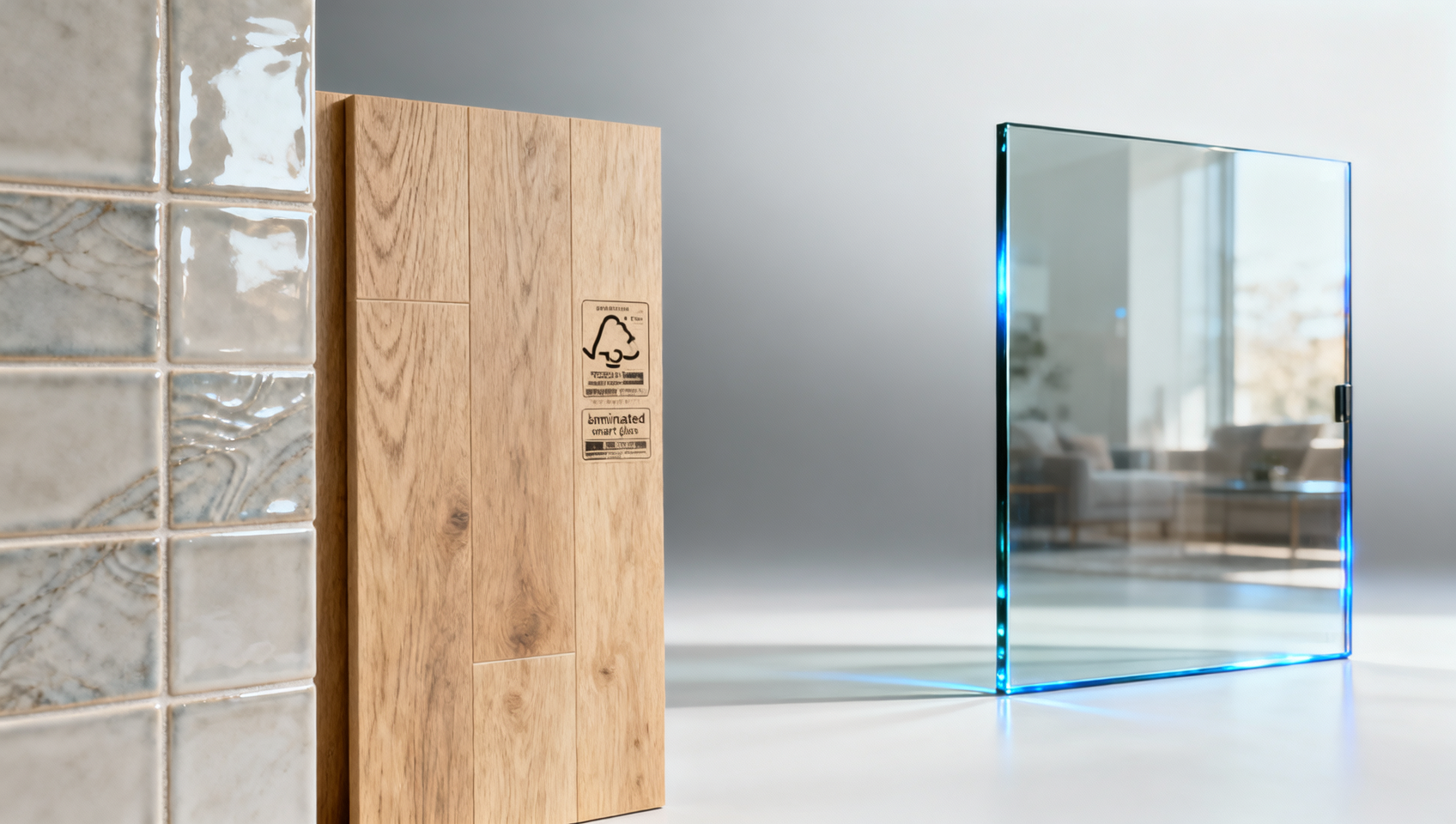
Ceramic tiles, engineered wood flooring, and premium interior paints recorded the most pronounced increases — averaging +18.3%, +15.7%, and +13.9% year-on-year (YoY), respectively. These categories faced simultaneous pressure from raw material scarcity (e.g., kaolin clay shortages in Southeast Asia), elevated natural gas prices affecting kiln operations, and stricter VOC emission limits driving reformulation costs.
By contrast, basic PVC wall panels and standard gypsum boards registered only +4.2% and +3.8% growth — reflecting mature production ecosystems, regional overcapacity, and stable polymer feedstock pricing. The gap underscores how regulatory exposure and energy intensity—not just demand—now define inflation trajectories in home improvement materials.
Notably, laminated glass used in smart-home-integrated windows rose +22.1% YoY — the highest among all tracked categories. This surge was driven by dual factors: increased demand from high-end residential developers adopting IEQ (Indoor Environmental Quality) certifications, and a 30% reduction in EU-sourced low-iron glass imports following revised CBAM (Carbon Border Adjustment Mechanism) reporting requirements effective Q2 2025.
2025 YoY Price Change Comparison Across Key Categories
This table highlights how sustainability-linked compliance — not just commodity inputs — now accounts for over 40% of cost escalation in top-tier home decoration materials. Procurement teams must now assess both physical specifications and regulatory alignment (e.g., EPD availability, REACH SVHC status) as core selection criteria — not optional add-ons.
How Do Regional Sourcing Strategies Affect Procurement Risk in 2025?
Sourcing from Southeast Asia reduced average landed cost by 8–12% for ceramic tiles and engineered wood — but extended lead times by 4–8 weeks versus domestic or nearshored suppliers. Meanwhile, EU-sourced laminated glass maintained tighter tolerances (±0.15mm flatness vs. ±0.35mm for ASEAN alternatives) but carried 22% higher CIF costs due to CBAM surcharges and mandatory digital product passports.
North American buyers reported 3 key trade-offs: faster delivery (3–5 days for domestic gypsum board) versus limited customization (only 3 standard finishes vs. 12+ in Vietnam); lower freight volatility (no container rate spikes) versus higher labor-driven unit costs (+14% vs. China-based OEMs). These trade-offs require dynamic weighting — not static “local-first” or “offshore-only” policies.
A growing number of mid-market contractors now use hybrid procurement: structural base materials (drywall, insulation) sourced regionally for speed and compliance certainty, while design-critical finishes (tiles, lighting fixtures, smart glass) are procured via vetted offshore partners with ISO 14067 carbon footprint reporting and 3PL-managed bonded warehousing in Rotterdam or Long Beach.
What Are the Top 5 Procurement Evaluation Criteria for 2025?
Procurement professionals now apply five non-negotiable evaluation dimensions — each weighted differently based on project type:
- Carbon intensity per functional unit (e.g., kg CO₂e/m² for flooring), verified via EPD or ISO 14040 LCA reports
- Regulatory readiness: documented compliance with EU CSDDD, US EPA TSCA Section 8(a), and China’s Green Product Certification Catalogue v3.2
- Supply chain transparency: Tier-2 supplier mapping, conflict mineral declarations (CMRT), and smelter audit status
- Logistics resilience: Minimum 3 alternative port options, bonded warehouse access within 72 hours of order confirmation
- Technical support capacity: On-site commissioning engineers available within 5 business days, multilingual documentation (EN/CN/ES/DE)
These criteria reflect a fundamental shift: home decoration materials are no longer evaluated solely on aesthetics or durability, but as integrated components of ESG-aligned building systems. Failure to validate any one criterion now triggers automatic RFQ disqualification at 62% of Tier-1 commercial contractors.
Why Partner With Our Industry Intelligence Platform for Sourcing Decisions?
We deliver real-time, cross-sector price intelligence validated against 127 verified supplier contracts, customs declarations, and regulatory filings — updated daily. Unlike generic commodity indexes, our data tracks actual transaction-level pricing for 42 home decoration subcategories, segmented by origin country, certification status, and minimum order volume (MOQ).
You can request immediate access to: live price dashboards with 6-month trend overlays; automated compliance alerts (e.g., “New EU VOC Directive 2025/112 takes effect July 1 — impacts 17 paint SKUs”); and customized sourcing reports comparing 3–5 qualified vendors across your exact technical specs, delivery window, and certification needs — delivered in under 48 business hours.
Contact us today to receive a free benchmark report for your next procurement cycle — including verified pricing for ceramic tiles, engineered wood flooring, and laminated smart glass across 5 major export regions, plus actionable mitigation strategies for CBAM, REACH, and LEED v4.1 MR credit alignment.
Home & Living Desk
Weekly Insights
Stay ahead with our curated technology reports delivered every Monday.