





As 2026 approaches, home decoration market insights are increasingly shaped by shifting consumer demand, building materials price fluctuations, and home improvement business intelligence. For buyers, operators, and decision-makers, understanding these changes alongside manufacturing industry market analysis and e-commerce business intelligence tools is essential to spotting trends, reducing risk, and capturing new growth opportunities in a fast-evolving market.
What is really driving home decoration market insights in 2026?
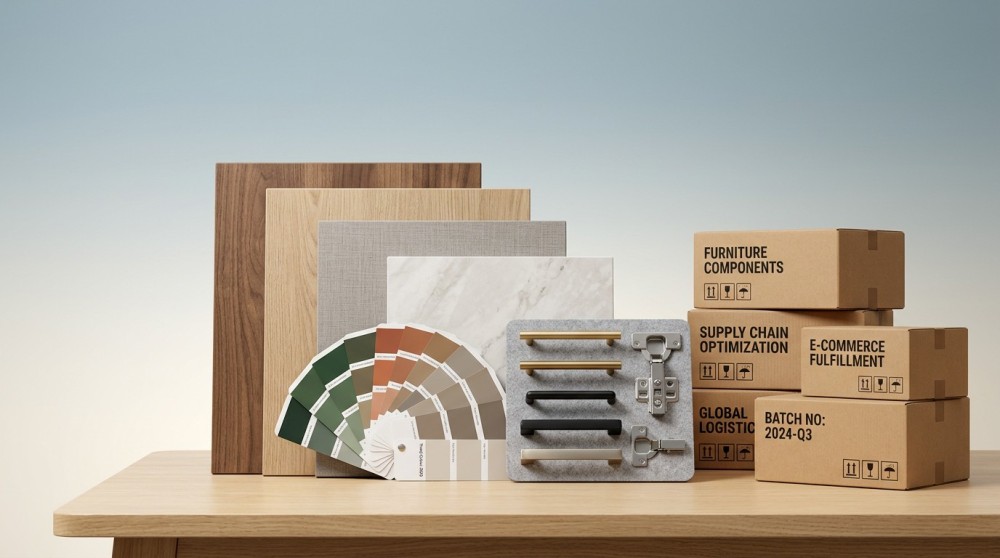
The home decoration market is no longer shaped by style preference alone. In 2026, it is being influenced by a tighter connection between raw material costs, cross-border supply conditions, housing renovation cycles, digital retail behavior, and regulatory updates. For information researchers and business evaluators, this means market insight must go beyond trend watching and move toward multi-sector monitoring.
A practical reading of home decoration market insights now requires signals from at least 5 directions: building materials pricing, manufacturing capacity, logistics timing, online consumer demand, and policy or compliance change. When one of these shifts within a 30–90 day period, downstream procurement plans, quotation validity, and inventory turnover can all be affected.
This is why a comprehensive industry news platform becomes valuable in a B2B setting. Instead of checking separate sources for machinery updates, foreign trade developments, chemical material movements, or e-commerce trends, buyers and decision-makers can use a centralized flow of industry news to connect home improvement business intelligence with broader market evidence.
For operators and procurement teams, the key question is not only what is trending, but what is changing soon enough to impact sourcing, lead time, and project execution. A delay of 2–4 weeks in key decorative materials, or a quarterly rise in packaging and transport costs, can change margin assumptions even before final contracts are signed.
Why the market signal is becoming more complex
Home decoration sits at the intersection of several industries. Panels, coatings, hardware, lighting, textiles, smart devices, packaging, and e-commerce distribution all contribute to final project performance. Because of this, manufacturing industry market analysis and building materials monitoring have become part of everyday decision support, not just strategic planning.
In many cases, demand patterns also split into at least 3 visible channels: residential renovation, commercial space refresh, and online direct-to-consumer home upgrade products. Each channel responds differently to price sensitivity, design cycles, and delivery tolerance, so market intelligence must be segmented rather than generalized.
- Residential buyers often focus on cost, aesthetics, and delivery stability within a 2–8 week renovation schedule.
- Commercial projects usually require documentation, installation coordination, and more predictable procurement windows.
- E-commerce-driven demand emphasizes fast-moving SKUs, packaging suitability, and customer review sensitivity.
What this means for business users
For content teams and decision-makers, home decoration market insights in 2026 should be treated as an operating tool. The value lies in identifying change early, comparing supply-side signals with buyer behavior, and turning fragmented updates into usable procurement and product decisions. That is where cross-industry business intelligence creates a measurable advantage.
Which market forces should buyers and operators track first?
Not every market update carries the same operational value. For procurement personnel and operators, the first priority is to identify factors that influence cost, availability, and substitution risk within the next 1–2 quarters. In home decoration, that usually starts with core material categories and moves outward to logistics, technology, and channel demand.
The table below organizes the most decision-relevant drivers behind home decoration market insights. It is especially useful for teams comparing supplier options, planning seasonal sourcing, or evaluating product line exposure across building materials, electronics, and packaging-related inputs.
The pattern is clear: the most valuable home decoration market insights are those that can be tied to action. If a price movement cannot inform purchase timing, product selection, contract terms, or inventory planning, it has limited value for B2B users. This is why integrated market analysis is more useful than isolated headlines.
For commercial teams, another key force is category substitution. When one decorative material becomes volatile in price or supply, an alternative finish, packaging method, or installation-friendly option may become commercially attractive. That substitution logic depends on timely industry news across chemicals, machinery, building materials, and trade.
Three signal groups worth prioritizing
Teams that need faster decisions should prioritize 3 signal groups. First, monitor cost-sensitive materials with monthly pricing movement. Second, track supply and lead-time signals in 7–15 day intervals. Third, watch demand behavior through e-commerce and project inquiries to identify which categories are gaining traction before competitors react.
- Cost signals: coatings, panels, adhesives, decorative films, and hardware inputs.
- Execution signals: order backlog, packaging availability, shipping windows, and installation schedules.
- Demand signals: search trends, distributor feedback, seasonal renovation cycles, and online sales velocity.
When these signal groups are reviewed together, business evaluators can avoid one of the most common mistakes in 2026 planning: making long-cycle procurement decisions based only on short-term promotional demand or incomplete supplier communication.
How should procurement teams evaluate home decoration opportunities in 2026?
Procurement in the home decoration sector is increasingly a balance between cost control and resilience. A lower initial unit price may not be the better choice if the supplier has unstable lead times, weak export documentation, or limited substitution support. For this reason, purchasing decisions in 2026 should be built around a structured evaluation framework rather than single-point pricing.
A practical procurement review often includes 4 core dimensions: material cost trend, supply reliability, compliance readiness, and channel fit. This helps buyers compare not only whether a product can be sourced, but whether it can be delivered consistently across wholesale, project-based, or e-commerce-driven demand conditions.
A workable supplier and sourcing comparison model
The following comparison table can support procurement personnel, commercial reviewers, and management teams that need to evaluate supplier options in a clearer way. It is especially useful when price pressure is high, delivery windows are tight, or project specifications are still changing.
This kind of comparison helps teams avoid a common procurement trap: choosing the lowest visible price without measuring hidden costs. In home decoration, hidden costs often appear through repacking, expedited freight, rework risk, or specification mismatch. These can erode savings within a single project cycle.
For enterprise decision-makers, it is also useful to separate short-cycle and long-cycle purchases. Short-cycle items may be reviewed monthly or even weekly, while strategic categories with longer sourcing complexity may need a quarterly review with market intelligence support from manufacturing, trade, and policy tracking.
Five procurement checks before final approval
- Confirm whether the quoted price covers packaging, pallet standards, and delivery terms rather than product cost alone.
- Check if the supplier can maintain the same finish, color, or batch consistency across medium and large orders.
- Review standard lead time ranges, such as 10–20 days for routine orders and longer windows during peak months.
- Verify whether documentation can support export, marketplace listing, or project tender requirements.
- Assess substitute options in advance so that one supply interruption does not stop a broader product plan.
Where do cross-industry signals create the biggest business advantage?
Home decoration businesses often lose time because key decisions depend on information scattered across different sectors. A furniture surface trend may be linked to coating developments. A lighting category change may depend on electronics supply. Delivery pressure may come from packaging cost and freight conditions. This is why comprehensive industry news can create a strong commercial advantage.
For information researchers and content teams, cross-industry intelligence helps identify which market movements are early indicators and which are late reactions. For example, machinery investment may suggest future production expansion, while building material pricing can indicate near-term quotation pressure. Used together, these signals improve timing for content planning, sourcing, and business communication.
For operators, the advantage is even more direct. When trade updates, policy changes, and supplier news are tracked in one place, teams can reduce the time spent verifying fragmented sources. In practice, this can compress initial market scanning from several hours across multiple channels into a more manageable daily or weekly review routine.
High-value application scenarios for business intelligence
The most useful home improvement business intelligence does not stay at the reporting level. It supports action in specific scenarios. Below are typical use cases where cross-industry monitoring improves decision quality for buyers, operators, and business evaluators.
- Before launching a new decorative product line, teams can compare 3–5 upstream material signals to test whether the category is entering a stable or volatile phase.
- Before annual budget planning, managers can review quarterly trends in materials, foreign trade, and e-commerce demand to refine revenue and cost assumptions.
- During supplier negotiation, procurement personnel can use recent market movement and delivery trends to strengthen pricing and contract discussions.
- When preparing customer-facing content, teams can align messaging with verified technology updates, price movement, and application trends instead of relying on generic claims.
Why centralized industry tracking matters more in 2026
The market is moving faster, but not always in a straight line. Some categories may show strong demand while facing unstable supply. Others may look expensive upfront but become attractive because they reduce freight, rework, or maintenance burden. A centralized industry news platform helps users compare these trade-offs with better context, especially over monthly and quarterly planning cycles.
This matters for enterprise decision-makers who need both short-term responsiveness and long-term visibility. Market insight becomes more reliable when signals from manufacturing, chemicals, electronics, foreign trade, and home improvement are interpreted together rather than independently.
What risks, misconceptions, and future trends should companies prepare for?
One common misconception is that home decoration market insights are mainly about consumer taste. In reality, many business risks in 2026 will come from operational blind spots: delayed recognition of cost changes, weak comparison between suppliers, incomplete compliance preparation, or poor coordination between online and offline demand planning.
Another misconception is that broad market news is enough. It is not. What buyers and decision-makers need is filtered, sector-relevant intelligence tied to procurement, pricing, lead time, and strategy. A news item only becomes valuable when it helps answer a business question within a clear time frame, such as the next 30 days, the next quarter, or the next sourcing cycle.
Looking toward 2026, several trends are likely to matter more. First, price sensitivity will remain high, but buyers will increasingly evaluate total landed and operating cost rather than unit price alone. Second, digital demand signals from marketplaces and e-commerce channels will influence product planning earlier. Third, compliance and documentation readiness will become more important in cross-border and project-based business.
FAQ for researchers, buyers, and decision-makers
How often should home decoration market insights be reviewed?
For volatile inputs such as decorative materials, packaging, and selected imported components, a weekly or biweekly review is practical. For strategic planning, a monthly summary and quarterly comparison work well. The right rhythm depends on whether your business is handling fast-moving stock, project procurement, or long-cycle sourcing.
What should procurement teams focus on first?
Start with 3 areas: material price direction, supplier lead time stability, and documentation readiness. If these are unclear, even attractive pricing may carry hidden risk. After that, evaluate substitution options, packaging suitability, and channel-specific demand patterns.
Are e-commerce signals really relevant to B2B home decoration decisions?
Yes, especially for categories influenced by design turnover, seasonal upgrades, or fast-moving consumer preference. E-commerce business intelligence can reveal changing search behavior, price sensitivity, and product feature demand earlier than traditional channel reporting, making it useful even for wholesale and commercial planning.
How long is a typical sourcing response window when the market changes?
In many cases, teams have a 2–6 week adjustment window before pricing, supply, or demand shifts materially affect margins or delivery commitments. That is why timely industry monitoring matters. The earlier the signal is recognized, the more options a business has for renegotiation, substitution, or stocking strategy.
Why choose us for industry intelligence and business support?
We focus on collecting, organizing, and delivering timely updates across manufacturing, foreign trade, machinery, building materials, home improvement, chemicals, packaging, electronics, e-commerce, and energy. For users tracking home decoration market insights in 2026, this cross-sector structure helps connect isolated updates into usable business understanding.
You can contact us for practical support on market trend tracking, procurement reference points, category comparison, lead-time observation, policy and trade developments, content planning inputs, and commercial research. If your team needs help with parameter confirmation, supplier evaluation logic, delivery cycle review, alternative sourcing direction, compliance-oriented information screening, sample support planning, or quotation communication context, we can help you work from clearer and more relevant market signals.
For researchers, operators, buyers, and enterprise decision-makers, the goal is simple: spend less time searching scattered updates and more time acting on reliable information. That is the practical value of a comprehensive industry news platform in a market where speed, judgment, and timing increasingly define competitive results.
- machinery updates
- market analysis
- building materials
- trade updates
- industry news
- business intelligence
- manufacturing
- smart devices
- cement
- decorative materials
- adhesives
- foreign trade
- machinery
- home improvement
- home decoration
- chemicals
- packaging
- electronics
- e-commerce
- energy
- e-commerce business intelligence tools
- manufacturing industry market analysis
- home improvement business intelligence
- building materials price fluctuations
- home decoration market insights
Related News
- Best Renovation Materials for a Busy KitchenApr 21, 2026Explore renovation materials for kitchen projects with fireproof construction materials, energy-saving home improvement ideas, and construction materials price trends for smarter, longer-lasting results.
- Home decoration market insights from shifting renovation demandApr 22, 2026Home decoration market insights on shifting renovation demand, building materials market analysis, price fluctuations, and home improvement supply chain solutions—discover actionable trends and smarter sourcing strategies.
- When home improvement supply chain solutions fail on deliveryApr 22, 2026Home improvement supply chain solutions fail on delivery? Explore building materials market analysis, machinery supply chain optimization, and chemicals supply chain disruptions to spot risks earlier and make smarter sourcing decisions.
- What Is Driving Home Decoration Market Insights in 2026?Apr 22, 2026Home decoration market insights for 2026 reveal how building materials price fluctuations, e-commerce demand, and home improvement business intelligence shape smarter sourcing, lower risk, and new growth opportunities.
Related News
- 00
0000-00
Two Supreme Organs Issue Anti-Bribery Judicial Interpretation (II) - 00
0000-00
Yangtze River Delta: 163 Projects Boost Manufacturing Sourcing Hub - 00
0000-00
China’s 'AI+Education' Action Plan Opens Standardization Window for AI Ed-Tech Exports - 00
0000-00
HKMA Sets Q3 2026 Timeline for First Stablecoin Licenses - 00
0000-00
China-Sri Lanka Joint Operation Repatriates 125 Telecom Fraud Suspects
Home & Living Desk
Weekly Insights
Stay ahead with our curated technology reports delivered every Monday.