





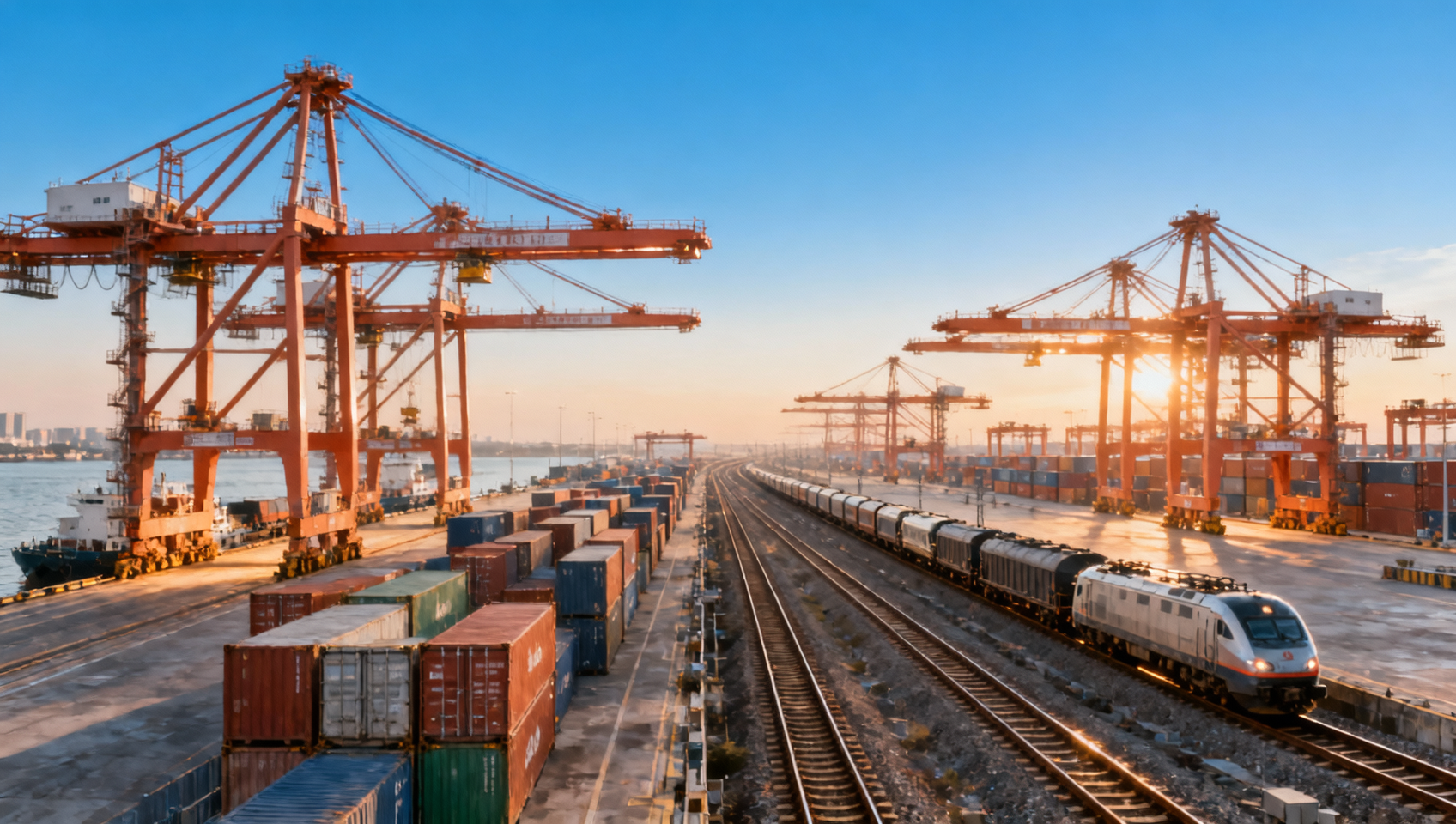
The Chinese government has initiated a three-year program to enhance 30 strategic freight hubs, targeting improved international logistics responsiveness for exporters and cross-border trade partners. This development merits attention from global manufacturers, distributors, and supply chain managers reliant on China's export corridors.
Event Overview
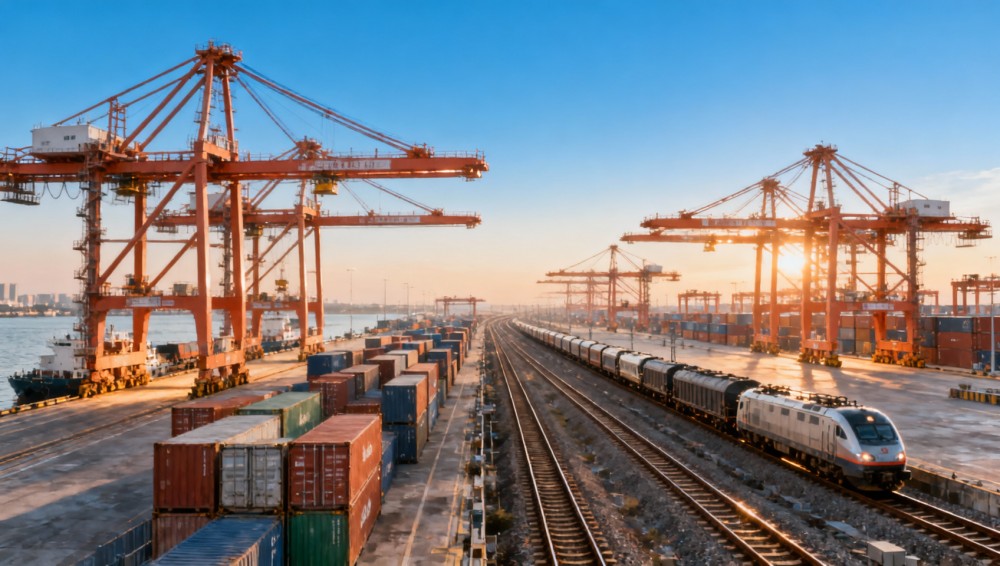
The Ministry of Finance and Ministry of Transport jointly announced the "Freight Hub Strengthening Initiative," focusing on cities along China's national transportation network (6 vertical axes, 7 horizontal corridors, and 8 international channels). Key upgrades will include multimodal transport integration, customs clearance coordination, overseas warehouse linkages, and international rail freight consolidation.
Impact on Key Industries
Export-Oriented Manufacturers
Enterprises in Yangtze River Delta, Pearl River Delta, and Chengdu-Chongqing economic circles will gain faster container consolidation (LCL) and more stable cross-border land-sea intermodal options. Analysis shows this particularly benefits electronics, automotive parts, and machinery exporters requiring precise delivery timelines.
Global Procurement Teams
International buyers sourcing from Western China via the New Western Land-Sea Corridor should anticipate 15-30% efficiency gains in cargo aggregation. Current data suggests this will reduce lead times for agricultural commodities, chemical products, and bulk consumer goods.
3PL Providers
Logistics firms must prepare for standardized multimodal documentation and digital customs interfaces. The policy explicitly prioritizes rail-sea combined transport operators and cold chain specialists handling ASEAN-bound perishables.
Actionable Insights
Monitor First-Mover Cities
Early implementation will occur in 15 pilot cities including Chongqing, Ningbo, and Guangzhou. Supply chain teams should track their specific hub's infrastructure timelines.
Audit Current Pain Points
Businesses experiencing port congestion or documentation delays should map processes against the program's four key improvement areas.
Engage Forwarders Early
Revised intermodal rates and new rail-sea routes will emerge in 2024-2025. Procurement contracts should build in flexibility for upcoming transport alternatives.
Industry Perspective
From an operational standpoint, this signals China's shift from port-centric upgrades to holistic corridor optimization. While the 3-year timeframe suggests gradual impact, the focus on "last-mile" international connectivity (particularly ASEAN and EU rail links) indicates strategic prioritization. Logistics managers should treat this as both a near-term efficiency opportunity and long-term network redesign trigger.
Conclusion
The initiative represents a targeted infrastructure investment rather than broad stimulus. Its true measure will be visible in reduced transshipment delays and increased weekly international block train volumes from 2024 onward. For now, businesses should focus on benchmarking current logistics performance to quantify future gains.
Sources
• Joint Announcement: Ministry of Finance & Ministry of Transport (China)
• Pending: Detailed city list and implementation roadmap (Expected Q4 2023)
Related News
- China Launches Logistics Hub Upgrade to Boost Global Supply ChainsApr 15, 2026China's logistics hub upgrade boosts global supply chains with 30 strategic freight hubs. Key benefits for exporters, procurement teams & 3PLs. Learn how this impacts your business operations.
- Guangxi's Q1 Local Bond Issuance Up 33.6%, Boosting Port DigitalizationApr 15, 2026Guangxi's Q1 2026 local bond issuance surged 33.6% to 86.8B yuan, with 30% funding smart port upgrades at Qinzhou & Fangcheng ports. This boosts RCEP trade efficiency through digital clearance & supply chain visibility – key for cross-border businesses.
- Clean energy supply chains are rerouting through Vietnam and Mexico — what changed after the 2025 tariff adjustments?Apr 11, 2026Explore how global trade trends and 2025 policy updates reshaped clean energy supply chains across Vietnam, Mexico — impacting renewable energy, semiconductors, e-commerce & building materials.
- Is Your ‘Green Supply Chain’ Certified—or Just Conveniently Labeled?Apr 11, 2026Green supply chain certified? Verify energy man, carbon footprint, REACH, RoHS, UL & CE compliance—avoid greenwashing with real factory audits, quality inspection & sourcing cost control.
Related News
- 00
0000-00
Thailand Imposes Anti-Dumping Duties on Chinese Plastic Products - 00
0000-00
BYD to Review Q1 2026 Financials on April 28 — Overseas Delivery Data in Focus - 00
0000-00
US BIS Proposes Expanding AI Chip Equipment Export Controls to China - 00
0000-00
China's Q1 2026 Trade Hits Record RMB 11.02 Trillion - 00
0000-00
EU PPWR Regulation Enters Force: Impact on China's Paper Packaging Exports
Supply Chain Editor
Weekly Insights
Stay ahead with our curated technology reports delivered every Monday.