





CCMT2026 Set to Open: 441 Five-Axis Machines Gather, NC-Link Protocol Undergoes First Large-Scale Verification
Introduction
The 14th China CNC Machine Tool Exhibition (CCMT2026) is scheduled to take place from April 21–25, 2026, in Shanghai. The event will feature a record-breaking 441 five-axis machines, the highest number in the exhibition's history. A key highlight will be the practical application of the NC-Link protocol, a communication standard for CNC machine tools developed under the leadership of the China Machinery Industry Federation (CMIF). This protocol will be demonstrated across over 30 international brands (including German, Japanese, and Swiss systems) and mainstream domestic CNC systems. The exhibition is expected to serve as a critical platform for overseas integrators and smart production line contractors to evaluate the 'plug-and-play' capabilities and digital infrastructure openness of Chinese machine tools. Industries such as advanced manufacturing, automation, and industrial IoT should pay close attention, as this event signals China's growing influence in high-end CNC equipment and interoperability standards.
Event Overview
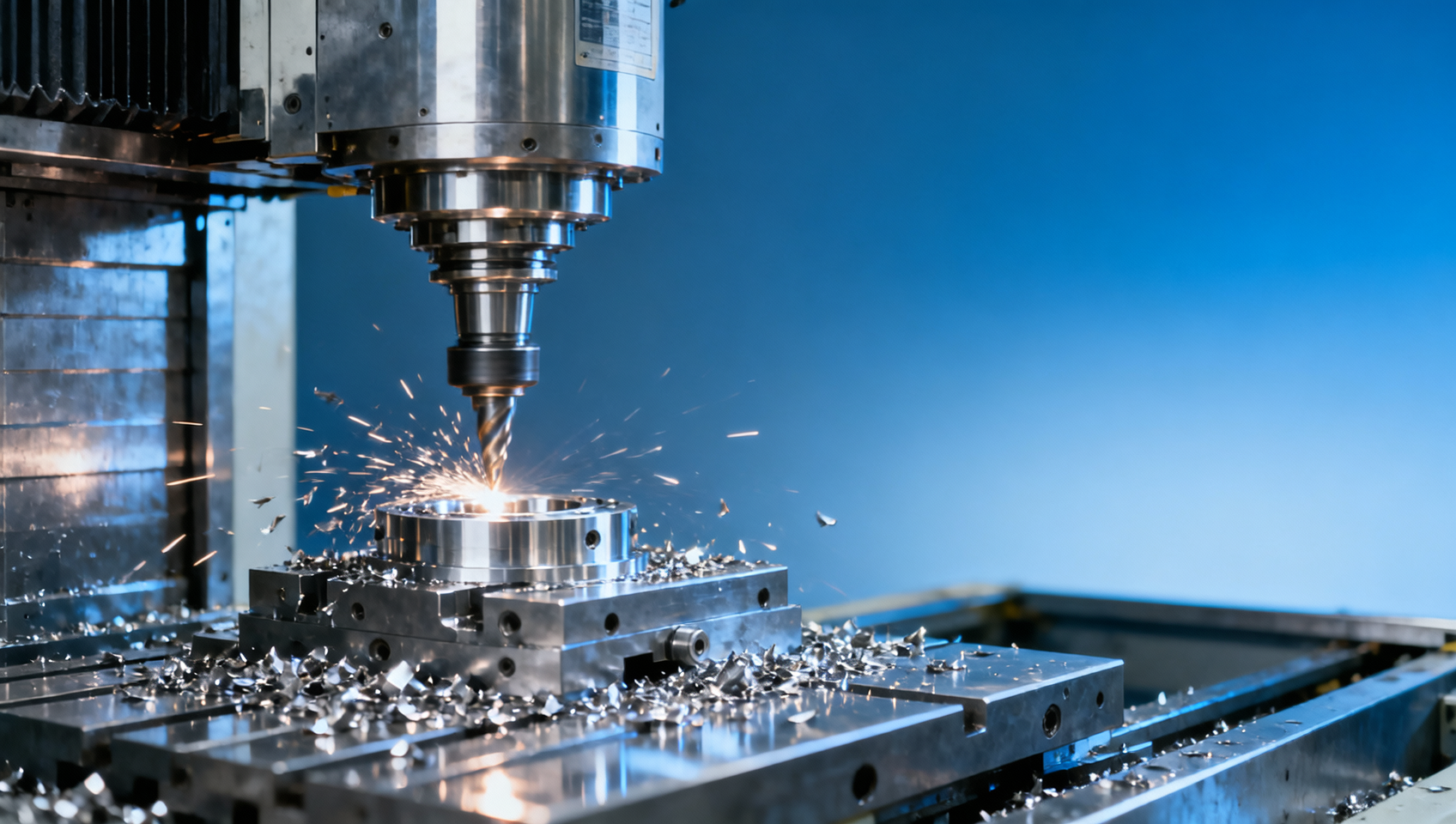
CCMT2026 will showcase 441 five-axis CNC machines, marking a historic high for the exhibition. The event will focus on the real-world implementation of the NC-Link protocol, which aims to standardize communication between CNC machines from different manufacturers. The protocol's demonstration will cover a wide range of international and domestic CNC systems, providing a practical test of its scalability and compatibility. The exhibition is positioned as a one-stop platform for global buyers to assess China's CNC equipment interoperability and localization potential.
Impact on Key Industries
1. Machine Tool Manufacturers and Integrators
The large-scale verification of NC-Link at CCMT2026 will directly impact machine tool manufacturers and system integrators. Companies relying on proprietary communication protocols may face pressure to adopt NC-Link to remain competitive in markets where interoperability is increasingly valued. The exhibition's focus on both domestic and international systems suggests that NC-Link could emerge as a de facto standard for evaluating CNC equipment compatibility in China and beyond.
2. Smart Manufacturing and Industrial IoT Providers
For smart manufacturing solution providers, the NC-Link protocol's progress is significant. A standardized communication framework could reduce integration costs and accelerate the deployment of smart factories. Companies in this space should monitor how NC-Link performs in real-world scenarios during the exhibition, as its success or challenges will influence future investment in interoperable industrial IoT solutions.
3. Overseas Buyers and Procurement Teams
International buyers attending CCMT2026 will gain firsthand insights into China's CNC equipment capabilities and compatibility with global standards. Procurement teams from industries such as aerospace, automotive, and precision engineering should pay particular attention to the NC-Link demonstrations, as they may need to reassess supplier evaluation criteria to account for China's growing role in high-end CNC solutions.
Key Focus Areas and Recommendations
1. Monitor NC-Link Protocol Adoption Trends
Industry players should track the post-exhibition adoption rate of NC-Link among both Chinese and international CNC manufacturers. The protocol's acceptance (or resistance) will indicate whether it is likely to become a global interoperability standard or remain primarily a Chinese market solution.
2. Evaluate Supply Chain Implications
Manufacturers dependent on CNC equipment should assess how NC-Link's development might affect their supply chain strategies. Companies may need to consider whether to prioritize suppliers that support the protocol, particularly for projects requiring multi-vendor machine integration.
3. Prepare for Shifting Competitive Dynamics
The exhibition's record number of five-axis machines suggests intensifying competition in high-end CNC equipment. Industry participants should analyze how Chinese manufacturers' capabilities compare with traditional leaders in precision machining, as this could reshape global market shares in coming years.
Editor's Perspective: Industry Observations
From an industry standpoint, CCMT2026 represents more than just a trade show—it signals China's strategic push to establish technical standards in advanced manufacturing. The NC-Link protocol demonstration is particularly noteworthy, as it attempts to address a long-standing challenge in industrial automation: seamless machine-to-machine communication across brands. While it's too early to declare NC-Link a success, its large-scale verification at this event suggests serious momentum behind China's standardization efforts. The industry should view this development as part of a broader trend where technical standards become as strategically important as the hardware itself in global manufacturing competition.
Conclusion
CCMT2026 serves as an important milestone in assessing China's progress in high-end CNC equipment and industrial communication standards. The exhibition's unprecedented scale and focus on the NC-Link protocol provide concrete evidence of China's growing capabilities in advanced manufacturing technologies. Rather than interpreting this as an isolated event, industry observers would be wise to consider it within the context of China's systematic advancement in industrial digitalization and standardization. The coming months after the exhibition will be crucial for gauging the real-world impact of these developments on global manufacturing ecosystems.
Source Information
Primary source: Official announcement for CCMT2026 (China CNC Machine Tool Exhibition). Note: The actual implementation results of NC-Link protocol during the exhibition require further verification post-event.
Related News
- 00
0000-00
China's Sodium-Ion Battery Breakthrough Boosts Export Competitiveness - 00
0000-00
New Manganese Ore Crushing Solution: Hydraulic Roller Mill Achieves One-Step Grinding - 00
0000-00
Tianshui Forging Launches All-Electric Servo Press Brake TD-EP-6/400 with 75% Lower Energy Consumption - 00
0000-00
Packaging solutions for e-commerce exports: Why corrugated fiberboard is outperforming plastic in 2026 - 00
0000-00
Technology innovation in packaging solutions isn’t just about automation — it’s about material traceability
Technology Insights Desk
Weekly Insights
Stay ahead with our curated technology reports delivered every Monday.