
China's NEV Export Penetration Hits 61.7% in April 2026




China NEV Export Penetration Hits 61.7% in April 2026: Implications for Global Supply Chains
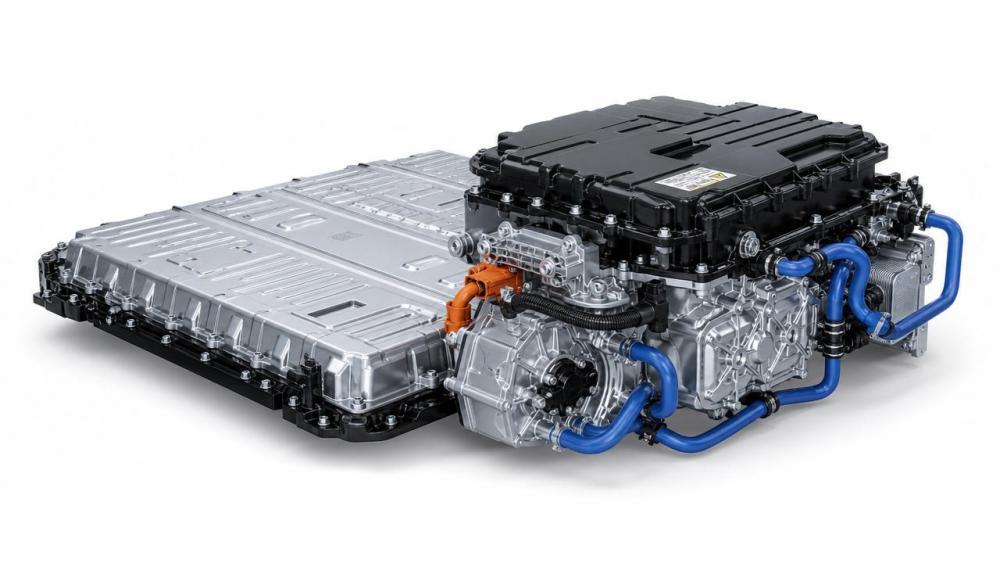
From April 1–19, 2026, China's new energy vehicle (NEV) export penetration exceeded 61.7%, according to the China Passenger Car Association (CPCA). NEV export volume rose by 23% year-on-year, driven by key components including battery packs, electronic control units (ECU), and thermal management systems. Primary export corridors include the Middle East, Mexico, and Indonesia.
Event Overview
- Date: April 1–19, 2026
- Source: China Passenger Car Association (CPCA), April 19, 2026
- NEV Export Growth: 23% YoY
- Primary Export Markets: Middle East, Mexico, Indonesia
- Core Components: Battery packs, ECUs, thermal management systems
Industries Affected and Key Impacts
Stakeholder Action Guidelines
- Track CPCA methodology updates for export penetration definitions
- Monitor shipment patterns to priority markets: Middle East, Mexico, Indonesia
- Verify certification status per component (battery, ECU, thermal systems)
- Prepare technical collaboration: testing, software calibration, multilingual support
Editorial Observation
The 61.7% export penetration is an operational signal rather than a full market shift. Growth is concentrated in specific corridors and components. Supply chain execution improvements underpin this milestone more than brand expansion. Stakeholders should view it as a directional cue for capability-driven internationalization, not a standalone market trend.
Conclusion
This milestone underscores a shift from volume-driven export growth to capability-driven internationalization. Firms should focus on component reliability, technical interoperability, and logistics preparedness to support global NEV adoption.
Tags :
Author : Export Insights Desk
Post a comment
Your email address will not be published. Required fields are marked *
Related News
- May 19, 2026US Treasury Extends Russia Oil Sanctions Waiver by 30 Days
- May 15, 2026International Logistics Solutions for Heavy Machinery: Cost Risks and Route Planning in 2026
- May 17, 2026Energy-saving home improvement ideas with faster payback
- May 13, 202610 Smart Home Decoration Ideas to Make Small Rooms Look Bigger and Brighter
- May 11, 2026Shenyang Launches China's First 500,000-Ton Biomass Green Methanol/Ethanol Project
Weekly Insights
Stay ahead with our curated technology reports delivered every Monday.