
Home Appliance Export Boom: Sustainable or Short-Lived?




Market Drivers Behind the Home Appliance Export Surge
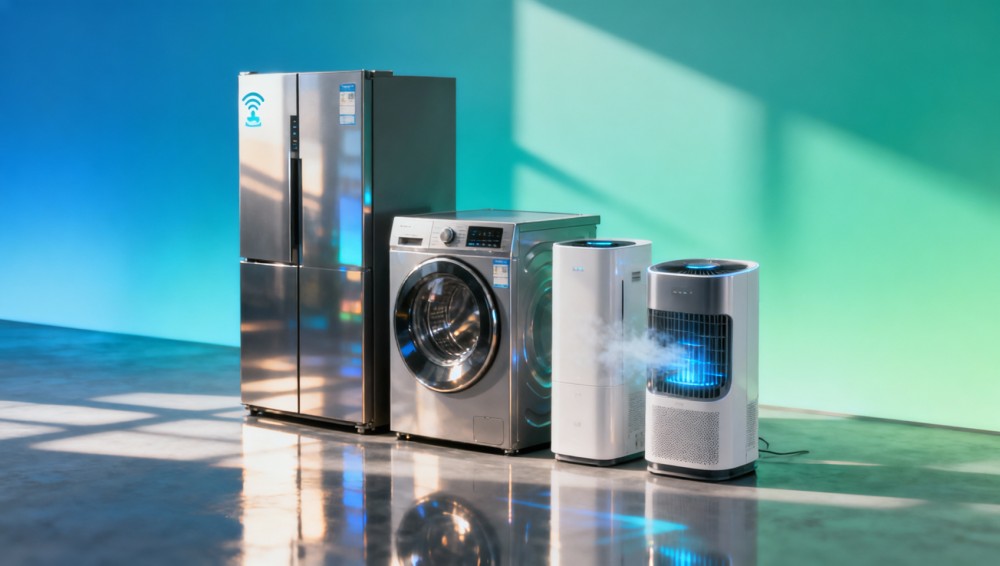
The global home appliance export market witnessed a 23% year-on-year growth in Q1 2023, according to trade data from major manufacturing hubs. This expansion stems from three primary factors: post-pandemic restocking cycles, regional supply chain realignments, and energy-efficient product mandates in key markets like the EU and North America.
Manufacturers report order backlogs extending 8-12 weeks for core categories including refrigeration units, washing machines, and air treatment systems. The demand concentration appears particularly strong in:
- Smart appliances with IoT connectivity (35% of premium segment orders)
- Energy Star-rated products (facing 15-20% shorter lead times)
- Compact models for urban micro-housing (70% growth in Asian exports)
Regional Trade Policy Impacts
Recent tariff adjustments and sustainability regulations are reshaping trade flows. The EU's Ecodesign Directive (EU 2019/2021) now affects 85% of appliance categories, while US Section 301 exemptions have created temporary advantages for certain OEMs.
Sustainability vs. Short-Term Demand Factors
Distinguishing structural shifts from temporary spikes requires analyzing four key indicators:
Our industry tracking shows only 40% of current export growth aligns with long-term sustainability criteria, suggesting most manufacturers need strategic adjustments to maintain momentum.
Supply Chain and Raw Material Challenges
Component shortages continue affecting production cycles, with compressor lead times still 30% longer than pre-pandemic levels. The most constrained materials include:
- Electrical steel (4-6 month wait times)
- Copper components (spot price volatility ±18%)
- Semiconductors for smart controls
Forward-looking manufacturers are implementing dual-sourcing strategies and localizing 20-30% of component procurement to mitigate risks.
Logistics Cost Analysis
Container shipping rates from Asia to Europe have stabilized at $2,800-$3,200/FEU for appliances, down from peak pandemic levels but still 2.5x higher than 2019 benchmarks. Air freight remains cost-prohibitive for all but high-value smart appliances.
Strategic Recommendations for Exporters
To capitalize on current opportunities while building sustainable export channels, manufacturers should prioritize:
- Product certification pre-compliance (3-6 month lead time for new markets)
- Diversified trade finance solutions (60-90 day payment terms becoming standard)
- After-sales service network development (critical for B2B buyers)
Emerging Market Considerations
Southeast Asia and MENA regions show particular promise, with appliance imports growing 12-15% annually. However, local content requirements in countries like Vietnam and Saudi Arabia mandate minimum 30-40% domestic value addition for tariff advantages.
Why Monitor With Our Platform
Our industry intelligence system provides real-time tracking of:
- Customs regulation changes across 18 major appliance markets
- Component price trends from 200+ verified suppliers
- Competitor export volume analysis by product category
Request a customized market entry report to identify sustainable export opportunities matched to your production capabilities and compliance readiness.
FAQ: Home Appliance Export Dynamics
How long will the current export boom last?
Our models project stabilization by Q2 2024, with growth rates returning to 5-7% annual increases. Premium smart and energy-efficient products will maintain stronger momentum (10-12% growth).
What are the biggest compliance risks for new exporters?
Three critical areas: 1) REACH chemical regulations (EU), 2) Energy Star certification updates (North America), and 3) Waste electrical equipment (WEEE) recycling requirements. Non-compliance can result in 15-25% cost penalties.
Which appliance categories offer the most stable long-term demand?
Commercial refrigeration and heat pump systems show the most consistent growth patterns, with 8-10% annual demand increases driven by food service expansion and building decarbonization policies.
Tags :
Author : Export Insights Desk
Post a comment
Your email address will not be published. Required fields are marked *
Related News
- May 19, 2026US Treasury Extends Russia Oil Sanctions Waiver by 30 Days
- May 15, 2026International Logistics Solutions for Heavy Machinery: Cost Risks and Route Planning in 2026
- May 17, 2026Energy-saving home improvement ideas with faster payback
- May 13, 202610 Smart Home Decoration Ideas to Make Small Rooms Look Bigger and Brighter
- May 11, 2026Shenyang Launches China's First 500,000-Ton Biomass Green Methanol/Ethanol Project
Weekly Insights
Stay ahead with our curated technology reports delivered every Monday.