
Baofeng Energy's Green Hydrogen Model Gains Global Attention Amid Geopolitical Tensions





Introduction
On March 13, 2026, Baofeng Energy's annual report revealed that its world's largest green hydrogen-coal chemical integration project maintained profitability despite volatile natural gas prices caused by geopolitical conflicts. This 'gray-to-green hydrogen transition' model is attracting interest from Middle Eastern and Australian energy firms, offering a replicable blueprint for low-carbon coal chemical transformation. Industries such as hydrogen energy, coal chemicals, and international energy cooperation should monitor this development closely, as it demonstrates the viability of hybrid energy solutions in unstable markets.
Event Overview
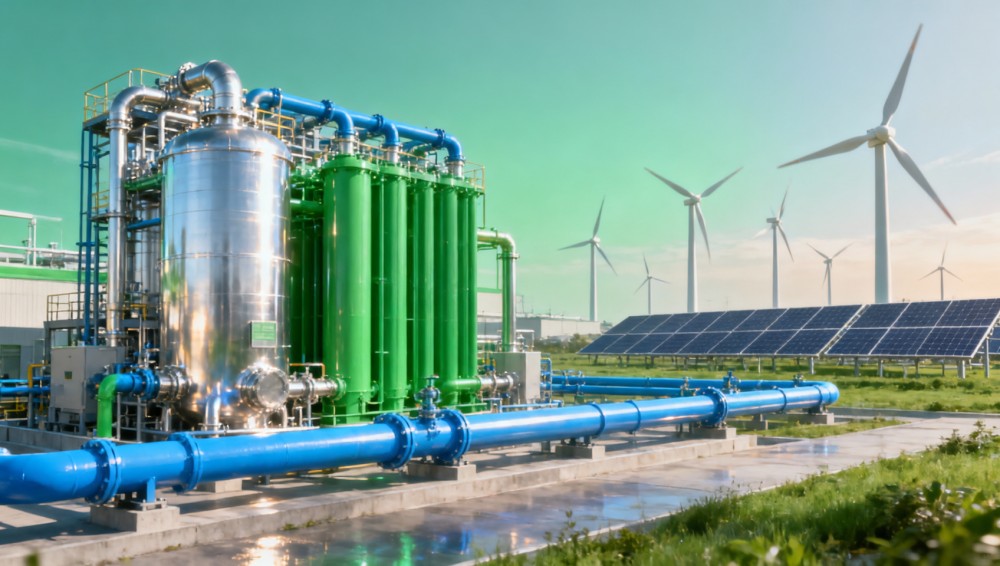
Baofeng Energy's 2025 financial report confirmed the operational resilience of its Ningxia-based green hydrogen-coal chemical project, which combines 2.7 billion cubic meters/year of green hydrogen production with traditional coal-to-olefins processes. The project achieved a 12% reduction in carbon intensity compared to conventional coal chemical facilities. Notably, delegations from Saudi Arabia's ACWA Power and Australia's Fortescue visited the site in Q4 2025 to evaluate technology transfer opportunities.
Impact on Key Industries
1. Coal Chemical Sector
The hybrid model provides a transitional pathway for existing coal-to-chemical plants facing carbon emission pressures, particularly in China and Southeast Asia. Operators with legacy assets may need to reassess retrofitting timelines.
2. Hydrogen Equipment Manufacturers
Increased demand for electrolyzers (especially alkaline and PEM types) and hydrogen compression/storage systems is expected, with potential technology licensing opportunities in markets like the GCC countries.
3. Energy Traders
The project's success may accelerate the commoditization of green hydrogen derivatives (ammonia/methanol) in Asia-Pacific markets, requiring traders to develop new pricing benchmarks distinct from fossil-based products.
Strategic Considerations for Industry Players
Monitor Policy Signals
Track China's upcoming 'Green Hydrogen Certification Standards' (expected H2 2026), which will clarify carbon accounting rules for hybrid projects and influence international partnerships.
Evaluate Technology Transfer Models
Companies should analyze Baofeng's EPC+O&M cooperation framework with Middle Eastern firms, particularly the IP protection mechanisms for integrated systems.
Assess Supply Chain Adaptability
Equipment suppliers need to verify component compatibility between Chinese electrolyzer designs and international safety standards (e.g., IECEx for GCC markets).
Industry Perspective
From an industry standpoint, Baofeng's case appears more indicative than transformative at this stage. While demonstrating technical feasibility, widespread adoption hinges on achieving grid parity for renewable-powered hydrogen. The immediate significance lies in validating a pragmatic transition model for emission-intensive industries under carbon constraints, rather than representing a wholesale energy revolution.
Conclusion
Baofeng Energy's hybrid hydrogen project offers tangible evidence of decarbonization pathways for carbon-intensive industries during energy transition periods. Market participants should view this development as a case study in transitional technology integration rather than an immediate industry disruption, with careful attention to evolving policy frameworks and cross-border technology transfer mechanisms.
Source
• Baofeng Energy 2025 Annual Report (Released March 13, 2026)
• ACWA Power Project Disclosure (December 2025)
• Fortescue Future Industries Press Briefing (January 2026)
Industries
Related News
- 00
0000-00
US Treasury Extends Russia Oil Sanctions Waiver by 30 Days - 00
0000-00
International Logistics Solutions for Heavy Machinery: Cost Risks and Route Planning in 2026 - 00
0000-00
Energy-saving home improvement ideas with faster payback - 00
0000-00
10 Smart Home Decoration Ideas to Make Small Rooms Look Bigger and Brighter - 00
0000-00
Shenyang Launches China's First 500,000-Ton Biomass Green Methanol/Ethanol Project
Weekly Insights
Stay ahead with our curated technology reports delivered every Monday.