
China June exports rise 27.0% as machinery and new energy goods lead





In June 2026, China’s dollar-denominated exports rose 27.0% year on year, marking a 17th straight month of growth. The latest customs data also show that machinery and electrical products, lithium batteries, solar modules, and electric passenger vehicles together accounted for 38.6% of export value, up 5.2 percentage points from a year earlier. For overseas buyers, this is not just a trade statistic: it is a signal about supplier capability, capacity resilience, and the compliance profile now attached to a larger share of Chinese high-end manufacturing exports.
Export data point to a stronger role for regulated industrial goods
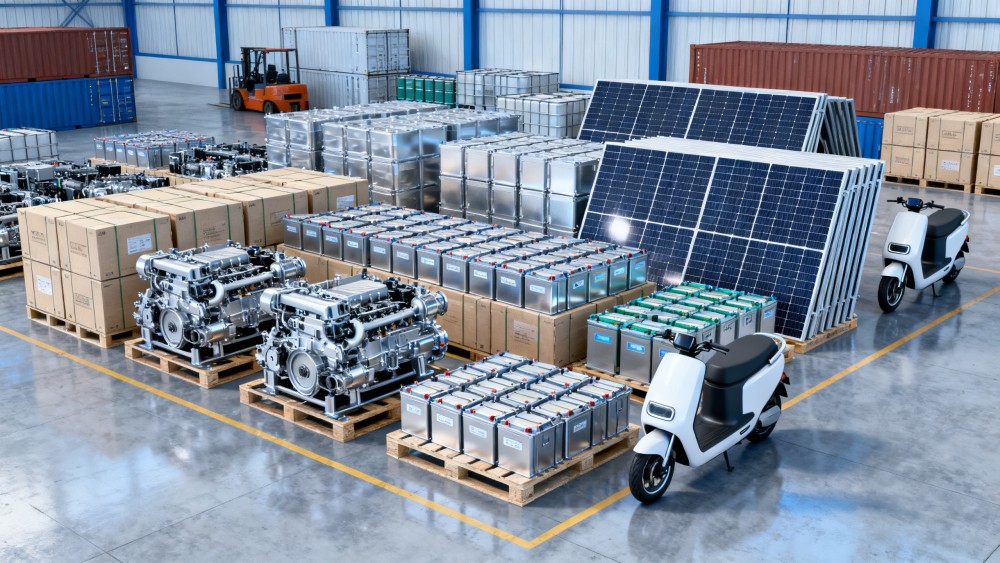
The confirmed data point is straightforward. China’s exports in June 2026, measured in U.S. dollars, increased 27.0% year on year, extending a run of positive growth to 17 consecutive months. Within that total, machinery and electrical products, lithium batteries, solar modules, and electric passenger vehicles were the main contributors on the new-energy side, and together represented 38.6% of export value. The share was 5.2 percentage points higher than in the same period last year. This is the factual base for understanding the current trade signal.
How procurement and compliance work may feel the change
Overseas buyers will look more closely at technical proof
From a procurement perspective, the rise of higher-value industrial exports usually means more emphasis on technical documentation, product specifications, and supplier audit depth. Analysis suggests that buyers evaluating Chinese suppliers will likely place greater weight on production stability, quality traceability, and the ability to support repeat orders without disrupting lead times. For goods such as batteries, solar modules, and electric vehicles, the practical focus tends to sit on conformity files, test reports, and shipment consistency.
Trade intermediaries may face tighter document handling
Direct trading firms and supply-chain service providers are likely to feel pressure on documentation flow, even though the input does not confirm any new filing rule. What deserves closer attention is whether purchase contracts, customs documents, and product certification records are aligned with the requirements of destination markets. For fast-growing export categories, small gaps in data consistency can complicate clearance, customer acceptance, or post-shipment dispute handling.
Manufacturers need to keep production and compliance aligned
For manufacturing exporters, the key issue is not only output scale but whether capacity expansion is matched by quality control and green-compliance readiness. At this stage, it is more appropriate to understand the data as an execution signal rather than a new formal rule. Still, when new-energy goods take a larger share of exports, suppliers are more exposed to buyer audits, sustainability inquiries, and requests for product-level evidence. That affects factory documentation, material sourcing records, and internal inspection discipline.
What companies should verify now
Check certification and technical files before shipment
Companies shipping machinery, lithium batteries, solar modules, or electric passenger vehicles should review whether certificates, test results, and technical descriptions remain consistent across sales, customs, and customer-facing documents. The input does not indicate a new certification regime, so this is best treated as a readiness check rather than a regulatory change.
Track destination-market rules, not only export volumes
The export growth figure itself does not replace market-specific compliance work. Buyers and exporters still need to watch for changes in certification acceptance, import documentation, and technical verification practices in the destination market. For products tied to energy transition, the compliance burden often sits outside the export transaction itself, in how well a supplier can satisfy the receiving market’s requirements.
Stress-test delivery schedules and supplier continuity
Rising demand for these categories can create pressure on component sourcing, production sequencing, and outbound logistics. Businesses should assess whether current supplier networks can sustain delivery commitments if order volume stays elevated. That matters most for contracts where lead time, batch consistency, and after-sales support are part of the commercial agreement.
How to read this signal for now
At this stage, this is better read as a market execution signal than as evidence of a newly announced rule change. The data suggest that China’s export mix is continuing to tilt toward higher-end manufacturing and new-energy products, which in turn raises the importance of compliance evidence, technical capability, and reliable delivery performance. The more practical question is not whether exports are growing, but whether companies can document and sustain the standards that now sit behind that growth.
What deserves ongoing attention is the next round of customs data, any official clarification on export facilitation or trade administration, and how buyers respond in contract terms, certification checks, and supplier qualification. Those follow-on signals will matter more than a single month’s headline growth rate.
How this note was prepared
This article was prepared from the user-provided title, event date, and summary only. No specific source links were provided in the input. For this type of trade and regulation-related update, the relevant source categories would normally include official customs releases, trade authority notices, and authoritative industry reporting. Because the input does not include direct official links, the underlying statements should continue to be verified against later customs publications, execution guidance, and market feedback.
Industries
Related News
- 00
0000-00
US Treasury Extends Russia Oil Sanctions Waiver by 30 Days - 00
0000-00
International Logistics Solutions for Heavy Machinery: Cost Risks and Route Planning in 2026 - 00
0000-00
Energy-saving home improvement ideas with faster payback - 00
0000-00
10 Smart Home Decoration Ideas to Make Small Rooms Look Bigger and Brighter - 00
0000-00
Shenyang Launches China's First 500,000-Ton Biomass Green Methanol/Ethanol Project
Weekly Insights
Stay ahead with our curated technology reports delivered every Monday.