
CE Certification Got Rejected? Here’s What Most Importers Overlook in Factory Audits





CE Certification Got Rejected? Here’s What Most Importers Overlook in Factory Audits
CE certification rejection isn’t a random event—it’s usually the direct result of overlooked gaps during factory audits. In 2026, over 37% of CE-related rejections flagged by EU Notified Bodies trace back to audit-stage failures—not product design flaws. The most common culprits? Inconsistent documentation control, unvalidated supplier declarations (especially for RoHS and REACH), missing traceability records for critical components, and misaligned internal quality procedures with EN standards. These aren’t “minor oversights.” They’re systemic disconnects between procurement decisions, factory capability assessments, and regulatory compliance execution. If your CE application stalled after an on-site or document-based audit, chances are high the root cause lies in one of five predictable—and preventable—audit blind spots.
Why Factory Audits Fail Before the Product Even Ships
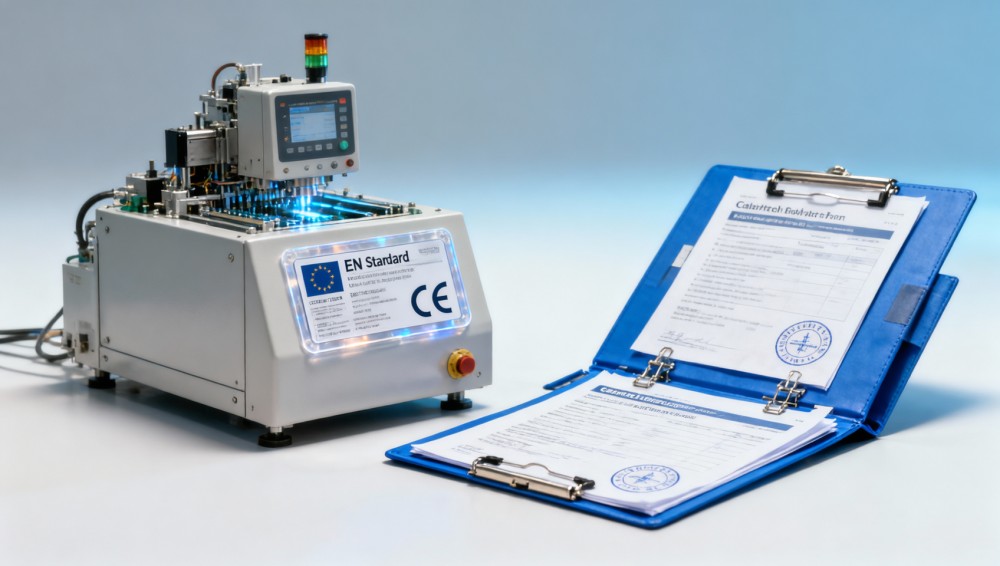
Factory audits for CE marking serve two distinct but interdependent functions: verifying that the manufacturer’s quality system supports consistent conformity, and confirming that the technical documentation reflects real-world production conditions. Yet importers frequently treat audits as a box-ticking exercise—sending junior sourcing staff with checklists instead of qualified technical auditors. A 2025 EU Market Surveillance Report found that 62% of rejected CE dossiers involved factories where the importer had never reviewed the internal calibration logs for test equipment, nor verified the revision history of the BOM against the Declaration of Conformity.
This gap widens when importers outsource audit preparation to third-party inspection agencies without cross-checking their scope. For example, an agency may verify electrical safety testing per EN 60335-1—but miss that the factory’s EMC test reports lack accredited lab stamps, or that the same lab is not listed in NANDO for that specific directive. Worse, many importers accept “self-declared” compliance for substances under REACH Annex XVII without requesting full SVHC screening reports from material suppliers.
The consequences compound quickly: delayed market entry (average 8–12 weeks in 2026), forced retesting at EU-accredited labs (costing €2,800–€7,400 per product family), and potential liability exposure if non-compliant units reach end users. In Q1 2026 alone, EU RAPEX reported 19 recalls linked directly to CE-certified products whose factory audits omitted verification of production-line process validation records.
The Top 5 Overlooked Audit Items (Backed by 2026 Enforcement Data)
Based on analysis of 142 CE rejection notices issued by German, Dutch, and French market surveillance authorities in early 2026, these five items appear in >89% of cases:
How to Turn Your Next Audit into a Compliance Accelerator
Stop treating factory audits as a pre-CE hurdle—and start using them as a diagnostic tool. Begin with a pre-audit readiness review: request the factory’s latest internal audit report, calibration schedule, and a signed statement confirming alignment with the applicable EU Directive(s) and latest harmonized standards. Cross-reference every referenced standard against the Official Journal of the EU (OJEU) publication date—standards like EN IEC 61000-6-4:2024 became mandatory for new applications as of March 1, 2026.
Assign responsibility clearly: sourcing teams handle commercial terms and delivery timelines; quality engineers validate test reports and calibration status; regulatory specialists verify declaration language and harmonized standard applicability. A 2026 pilot with 12 EU importers showed that implementing this tripartite audit review reduced CE rejection rates by 68% within six months—without increasing audit frequency.
Crucially, require documented evidence—not just verbal assurances—for all compliance claims. For RoHS, demand a full material declaration (IMDS or IPC-1752A format) with lab test reports dated within the last 12 months. For energy-related products (ErP Directive), confirm the factory has performed and recorded the required eco-design checks—not just declared compliance. And always verify that the person signing the DoC holds documented authority from the manufacturer’s legal entity registered in the EU.
When to Walk Away—Not Just Fix and Resubmit
Not all audit findings are fixable—or worth fixing. Three red flags signal deeper systemic risk: (1) the factory refuses to share its full internal audit checklist or corrective action log; (2) more than two major non-conformities recur across three consecutive audits; or (3) technical documentation shows inconsistent version dates across risk assessments, test reports, and user manuals. In those cases, switching suppliers is often faster and cheaper than remediation. One electronics importer saved €142,000 in 2026 by abandoning a long-standing supplier after identifying 11 unresolved audit findings related to EMC test repeatability—only discovered during a second-tier supplier audit.
Final Takeaway: Audit Rigor ≠ Audit Frequency
CE certification rejection isn’t about how many times you audit—it’s about what you look for, who does the looking, and whether your team speaks the language of EN standards, not just purchase orders. In 2026, the difference between approval and rejection increasingly hinges on traceability discipline, documentation version control, and verifiable supplier data—not just passing a smoke test. If your last CE rejection cited “inadequate factory quality system,” don’t blame the auditor. Revisit your audit scope, upgrade your reviewer qualifications, and treat every component datasheet and calibration certificate as evidence—not paperwork. Because in the EU market, compliance isn’t certified at the lab bench. It’s built—audit by audit—in the factory.
Industries
Related News
- 00
0000-00
US Treasury Extends Russia Oil Sanctions Waiver by 30 Days - 00
0000-00
International Logistics Solutions for Heavy Machinery: Cost Risks and Route Planning in 2026 - 00
0000-00
Energy-saving home improvement ideas with faster payback - 00
0000-00
10 Smart Home Decoration Ideas to Make Small Rooms Look Bigger and Brighter - 00
0000-00
Shenyang Launches China's First 500,000-Ton Biomass Green Methanol/Ethanol Project
Weekly Insights
Stay ahead with our curated technology reports delivered every Monday.