
China's MIIT Implements Energy Efficiency Standards for Export Equipment: Key Industries Affected from 2026





China's MIIT Implements Energy Efficiency Standards for Export Equipment: Key Industries Affected from 2026
Introduction
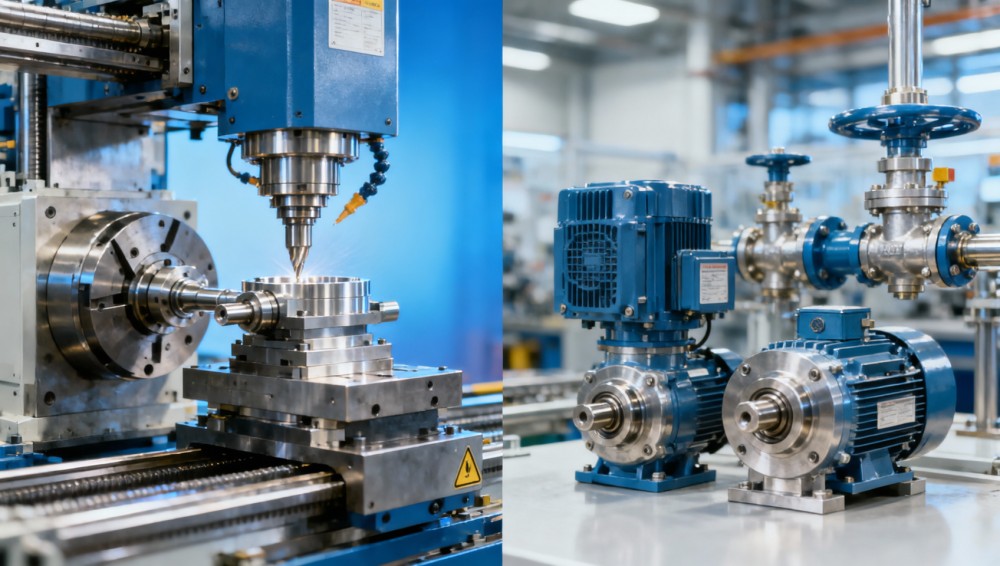
The Ministry of Industry and Information Technology (MIIT) and three other departments have jointly issued the High-Quality Development Implementation Plan for Energy-Saving Equipment (2026-2028), which will take effect on April 1, 2026. The policy mandates that exported motors, pumps, valves, CNC machine tools, and other key equipment must comply with EU 2019/2021 energy efficiency directives and ASME BPE pharmaceutical-grade standards. This regulation will significantly impact overseas buyers' evaluation criteria, inspection standards, and long-term procurement agreements for Chinese energy-saving equipment. Industries involved in manufacturing, export trade, and supply chain management should closely monitor these changes.
Event Overview
The High-Quality Development Implementation Plan for Energy-Saving Equipment (2026-2028) officially comes into force on April 1, 2026. It explicitly requires exported motors, pumps, valves, and CNC machine tools to meet EU 2019/2021 energy efficiency standards and ASME BPE pharmaceutical-grade specifications. This policy aims to enhance the global competitiveness of China's energy-saving equipment while aligning with international regulatory frameworks.
Industries Affected
1. Export-Oriented Manufacturing Enterprises
Companies producing motors, pumps, valves, and CNC machine tools for export will face stricter compliance requirements. The policy may increase production costs due to necessary technical upgrades and certification processes.
2. Supply Chain and Procurement Businesses
Suppliers of raw materials and components for these products must ensure their offerings meet the new standards, potentially requiring adjustments in sourcing strategies or partnerships.
3. Inspection and Certification Services
Third-party testing and certification agencies will see increased demand for EU and ASME BPE compliance verification, creating both opportunities and challenges in scaling up these services.
Key Considerations and Recommended Actions
1. Compliance Preparation Timeline
With the policy taking effect in 2026, manufacturers should immediately begin assessing their products against the new standards to allow sufficient time for necessary modifications.
2. Market-Specific Adaptation
Companies should evaluate how these changes affect their key export markets, particularly in regions where EU standards are already dominant or where ASME BPE compliance is critical (e.g., pharmaceutical industries).
3. Supply Chain Coordination
Manufacturers must work closely with suppliers to ensure all components meet the revised specifications, potentially requiring new contracts or quality assurance processes.
4. Documentation and Certification
Businesses should prepare for enhanced documentation requirements and consider pre-certification to avoid disruptions when the policy takes effect.
Industry Perspective
From an industry standpoint, this policy represents China's commitment to aligning its manufacturing standards with global benchmarks. While it may pose short-term challenges for some exporters, the long-term benefits include improved market access and competitiveness in regions with stringent energy efficiency regulations. The two-year lead time suggests authorities recognize the need for industry adjustment, making this more a strategic transition than an immediate disruption.
Conclusion
The implementation of these energy efficiency standards marks a significant step in China's industrial upgrade strategy. For affected businesses, the policy should be viewed as both a compliance requirement and an opportunity to enhance product quality and international market positioning. Companies that proactively adapt to these changes will likely gain a competitive advantage in the global marketplace.
Source Information
Ministry of Industry and Information Technology (MIIT) official announcement of the High-Quality Development Implementation Plan for Energy-Saving Equipment (2026-2028). The specific implementation details and potential updates to the policy will require ongoing monitoring.
Industries
Related News
- 00
0000-00
US Treasury Extends Russia Oil Sanctions Waiver by 30 Days - 00
0000-00
International Logistics Solutions for Heavy Machinery: Cost Risks and Route Planning in 2026 - 00
0000-00
Energy-saving home improvement ideas with faster payback - 00
0000-00
10 Smart Home Decoration Ideas to Make Small Rooms Look Bigger and Brighter - 00
0000-00
Shenyang Launches China's First 500,000-Ton Biomass Green Methanol/Ethanol Project
Weekly Insights
Stay ahead with our curated technology reports delivered every Monday.