
Qinghai Enclosed Busbar Manufacturers Accelerate IP66+ Anti-Salt Spray Certification Production Line Construction to Meet New Environmental Adaptation Requirements for Chinese Power Equipment in Middle Eastern and Southeast Asian Offshore Substation and PV Booster Station Projects





Qinghai Enclosed Busbar Manufacturers Accelerate IP66+ Anti-Salt Spray Certification Production Line Construction
Introduction
As disclosed on April 1, 2026, multiple enclosed busbar manufacturers in Qinghai are accelerating the transformation of production lines to meet IP66 protection level and C5-M high salt spray corrosion protection certification standards. This initiative responds to the mandatory environmental adaptation specifications for Chinese-made busbar systems in key projects such as Saudi Arabia's NEOM, UAE's Al Dhafra PV Park, and Vietnam's offshore wind power booster stations. The move is expected to shorten the localization certification cycle for overseas EPC contractors. This development is particularly relevant for power equipment manufacturers, EPC contractors, and renewable energy project developers operating in the Middle East and Southeast Asia, as it highlights the growing emphasis on environmental adaptability in global power infrastructure projects.
Event Overview
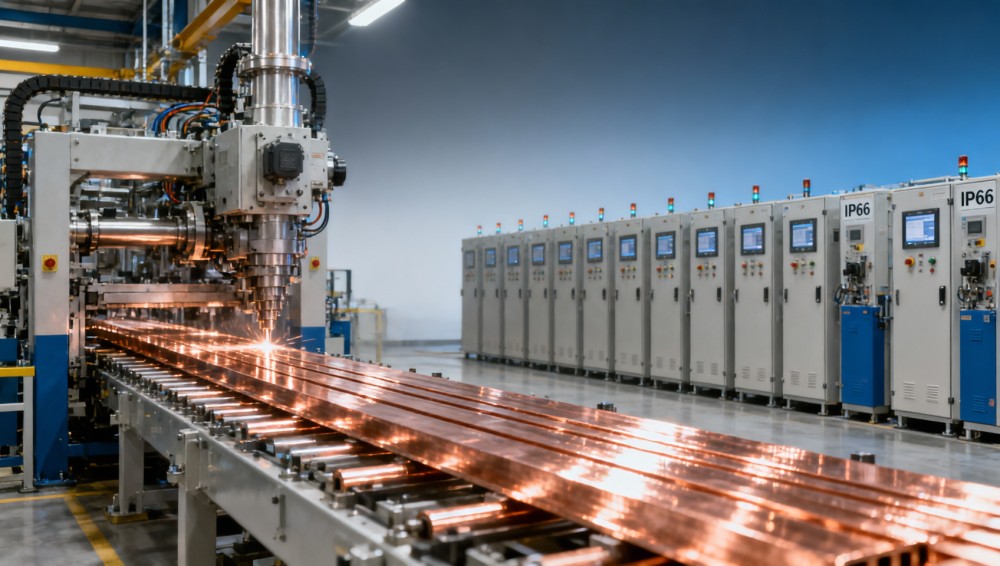
According to the disclosed information, Qinghai-based enclosed busbar manufacturers are currently upgrading their production lines to achieve IP66 protection level and C5-M high salt spray corrosion protection certification. These upgrades are specifically designed to meet the requirements of major international projects in the Middle East and Southeast Asia, including Saudi Arabia's NEOM, UAE's Al Dhafra PV Park, and Vietnam's offshore wind power booster stations. The initiative aims to reduce the certification cycle for overseas EPC contractors sourcing Chinese power equipment.
Impact on Specific Sub-sectors
Power Equipment Manufacturers
The accelerated certification process will directly impact power equipment manufacturers, particularly those specializing in enclosed busbar systems. Manufacturers will need to adapt their production processes to meet the stringent IP66 and C5-M standards, which may require significant investments in technology and equipment upgrades.
EPC Contractors
EPC contractors working on international projects in the Middle East and Southeast Asia will benefit from reduced certification cycles for Chinese power equipment. This could lead to faster project timelines and potentially lower costs, as local certification processes are streamlined.
Renewable Energy Project Developers
Developers of offshore wind and large-scale PV projects in high-corrosion environments will gain access to certified equipment that meets stringent environmental adaptation requirements. This could enhance project reliability and longevity in challenging climatic conditions.
Key Focus Areas and Recommended Actions
Monitor Certification Progress
Industry stakeholders should closely track the progress of these production line upgrades and subsequent certification achievements. The timing of certification completions could impact project planning and procurement decisions.
Assess Supply Chain Implications
Companies should evaluate how these changes might affect their supply chains, particularly regarding lead times and quality assurance processes for certified busbar systems.
Review Project Specifications
EPC contractors and project developers should review their technical specifications to ensure alignment with the new certification standards, potentially adjusting procurement criteria accordingly.
Explore Partnership Opportunities
Manufacturers and contractors may want to explore early collaboration opportunities with Qinghai producers undergoing certification to secure preferential access to certified products.
Editor's Perspective / Industry Observation
From an industry standpoint, this development signals China's proactive response to increasingly stringent international standards for power equipment in harsh environments. The move appears to be both a strategic adaptation to market demands and a competitive positioning effort in the global renewable energy infrastructure sector. While the production line upgrades represent a current operational focus, the broader implications for China's power equipment export capabilities warrant ongoing observation. The industry should monitor how these certifications impact China's market share in Middle Eastern and Southeast Asian power projects, as well as any potential trickle-down effects on domestic standards.
Conclusion
This initiative by Qinghai's enclosed busbar manufacturers represents a significant step in addressing the environmental adaptation requirements of international power projects. While the immediate impact centers on production line upgrades and certification processes, the longer-term implications may include enhanced competitiveness for Chinese power equipment in global markets and improved reliability for renewable energy projects in corrosive environments. At present, this development is best understood as both a response to immediate market demands and a strategic investment in future export capabilities.
Source Information
Primary source: Industry disclosure dated April 1, 2026 regarding Qinghai enclosed busbar manufacturers' production line upgrades. Ongoing monitoring is recommended for updates on certification progress and subsequent market adoption.
Industries
Related News
- 00
0000-00
US Treasury Extends Russia Oil Sanctions Waiver by 30 Days - 00
0000-00
International Logistics Solutions for Heavy Machinery: Cost Risks and Route Planning in 2026 - 00
0000-00
Energy-saving home improvement ideas with faster payback - 00
0000-00
10 Smart Home Decoration Ideas to Make Small Rooms Look Bigger and Brighter - 00
0000-00
Shenyang Launches China's First 500,000-Ton Biomass Green Methanol/Ethanol Project
Weekly Insights
Stay ahead with our curated technology reports delivered every Monday.