
Yangtze River Delta MEMS Pressure Sensor Cluster Achieves 92% Yield Rate, Suzhou MEMSensing and Wuxi CSMC Launch New Production Lines with Bosch and Continental as Key Clients




Yangtze River Delta MEMS Pressure Sensor Cluster Achieves 92% Yield Rate, Suzhou MEMSensing and Wuxi CSMC Launch New Production Lines with Bosch and Continental as Key Clients
Introduction
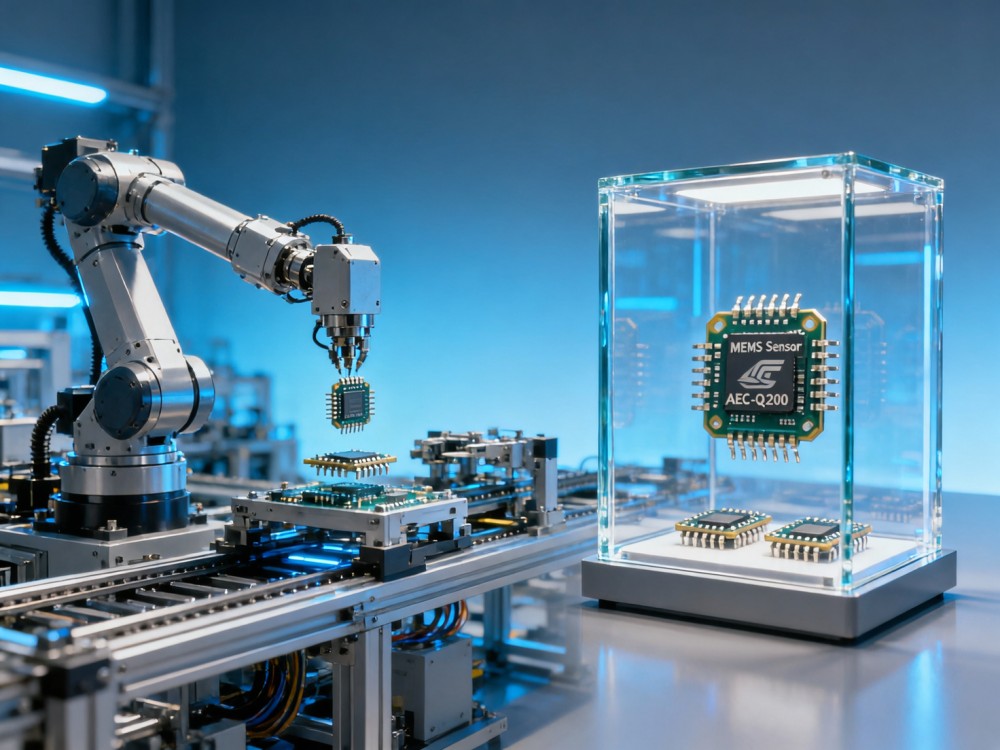
In late March 2026, Suzhou MEMSensing Microelectronics and Wuxi CSMC Technologies simultaneously launched two new MEMS pressure sensor production lines, achieving a remarkable 92% yield rate. These sensors have obtained AEC-Q200 automotive-grade certification and secured supply contracts with Bosch and Continental for automotive air conditioning and battery monitoring systems. This development is particularly significant for the automotive electronics, semiconductor manufacturing, and supply chain sectors, as it enhances China's capability to provide high-reliability domestic sensor alternatives and shortens response times for overseas Tier 1 clients.
Event Overview
On March 23, 2026, the Jiangsu Provincial Department of Industry and Information Technology announced that Suzhou MEMSensing and Wuxi CSMC had commenced operations on two new MEMS pressure sensor production lines. The production lines have achieved a 92% yield rate, meeting the stringent AEC-Q200 automotive standards. The sensors have been designated for use in Bosch and Continental's automotive air conditioning and battery pack monitoring systems. This marks a significant step in China's automotive electronics supply chain, offering a competitive alternative to imported sensor chips.
Impact on Key Industries
Automotive Electronics Manufacturers
The high yield rate and automotive-grade certification of these MEMS pressure sensors provide a reliable domestic alternative for automotive electronics manufacturers. This reduces dependency on imported components and shortens supply chain lead times, particularly for Tier 1 suppliers like Bosch and Continental.
Semiconductor Foundries
The success of Suzhou MEMSensing and Wuxi CSMC underscores the growing competitiveness of Chinese semiconductor foundries in specialized niches like MEMS sensors. Other foundries may need to accelerate their R&D and production capabilities to keep pace.
Supply Chain and Logistics Providers
With localized production of high-quality MEMS sensors, supply chain and logistics providers may see shifts in demand patterns. Reduced reliance on international shipments could streamline operations but may also require adjustments in logistics networks.
Key Takeaways for Industry Players
Monitor Automotive Certification Trends
Companies in the automotive electronics sector should closely follow updates to AEC-Q200 and other relevant standards, as compliance will remain a critical factor in securing contracts with global Tier 1 suppliers.
Evaluate Local Sourcing Opportunities
Automotive manufacturers and suppliers should assess the feasibility of integrating these domestically produced MEMS sensors into their supply chains to reduce costs and improve responsiveness.
Strengthen R&D Collaborations
Semiconductor firms and research institutions should explore partnerships with Suzhou MEMSensing and Wuxi CSMC to leverage their expertise in MEMS technology and high-yield production processes.
Editorial Perspective
From an industry standpoint, this development signals China's advancing capabilities in high-precision MEMS sensor manufacturing. While the current focus is on automotive applications, the technology could eventually expand into industrial, medical, and consumer electronics sectors. The 92% yield rate is particularly noteworthy, as it demonstrates the maturity of China's MEMS production processes. However, it remains to be seen whether this success can be replicated across other MEMS product categories.
Conclusion
The launch of these new MEMS pressure sensor production lines represents a significant milestone for China's semiconductor and automotive electronics industries. By achieving high yield rates and securing contracts with global automotive giants, Suzhou MEMSensing and Wuxi CSMC have positioned themselves as key players in the MEMS sensor market. Industry stakeholders should view this as both a competitive challenge and an opportunity to explore localized sourcing and collaborative R&D.
Source Information
Primary source: Jiangsu Provincial Department of Industry and Information Technology announcement dated March 23, 2026. Ongoing monitoring of yield rates and additional client acquisitions is recommended for a comprehensive understanding of the long-term impact.
Tags :
Author : Company News Center
- Last One:World's Largest 24,000 TEU Dual-Fuel Container Ship 'CMA CGM Champs Elysées' Delivered Ahead of Schedule, Featuring Chinese-Made High-Pressure FGSSMar 29, 2026
- Next Article:Ministry of Industry and Information Technology Releases "High-Quality Development Action Plan for the Machine Tool Industry"Mar 26, 2026
Post a comment
Your email address will not be published. Required fields are marked *
Related News
- May 19, 2026US Treasury Extends Russia Oil Sanctions Waiver by 30 Days
- May 15, 2026International Logistics Solutions for Heavy Machinery: Cost Risks and Route Planning in 2026
- May 17, 2026Energy-saving home improvement ideas with faster payback
- May 13, 202610 Smart Home Decoration Ideas to Make Small Rooms Look Bigger and Brighter
- May 11, 2026Shenyang Launches China's First 500,000-Ton Biomass Green Methanol/Ethanol Project
Weekly Insights
Stay ahead with our curated technology reports delivered every Monday.