
Automation in Manufacturing: Cost Savings vs Supply Chain Risks




Automation's Impact on Manufacturing Efficiency
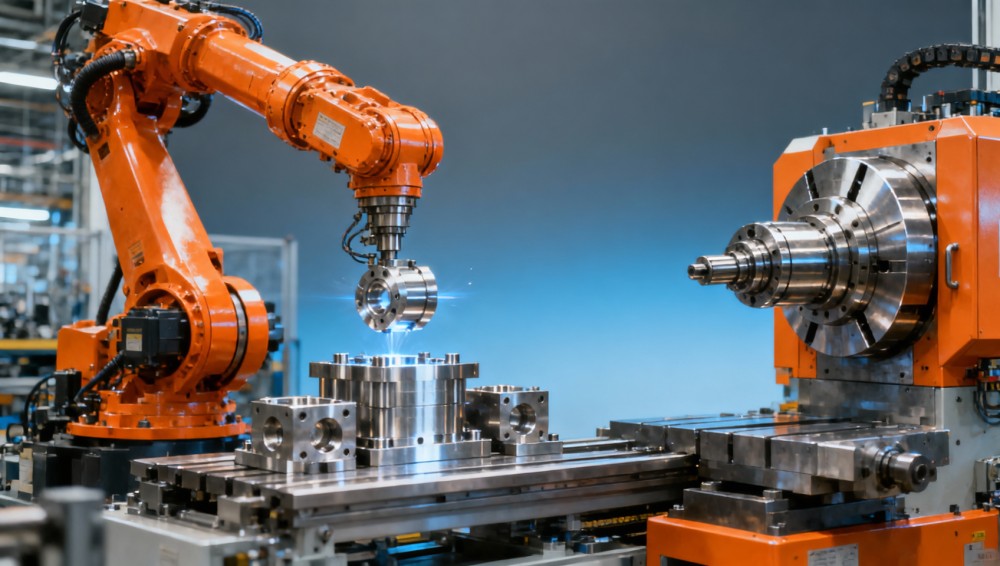
As automation transforms manufacturing, businesses must weigh cost savings against supply chain risks. This analysis explores how robotics and AI impact production efficiency while introducing new vulnerabilities. Industry professionals and decision-makers will gain insights into balancing technological innovation with operational resilience. Stay informed on manufacturing market updates, technology innovation trends, and international trade implications to navigate this evolving landscape strategically.
Labor Cost Reduction vs Initial Investment
Automated systems can reduce labor costs by 30-50% in high-volume production lines, according to industry benchmarks. Robotic arms and CNC machines typically operate at 90-95% uptime compared to 60-75% for human workers. However, the initial capital expenditure for automation equipment ranges from $100,000 to $2 million depending on system complexity.
Production Quality Improvements
Automation delivers consistent quality with defect rates often below 0.5% compared to 2-5% in manual operations. Vision inspection systems can detect flaws as small as 0.1mm with 99.9% accuracy. This reduces scrap rates and warranty claims while improving customer satisfaction.
Supply Chain Vulnerabilities in Automated Systems
While automation improves efficiency, it creates new supply chain risks that require careful management:
- Single-source dependency for specialized components
- Long lead times for replacement parts (typically 8-12 weeks)
- Cybersecurity threats to networked equipment
- Skills gap in maintenance personnel
Critical Component Availability
Automation systems rely on specialized components like servo motors, PLCs, and precision bearings. The table below shows typical lead times for critical parts:
Manufacturers should maintain 3-6 months of inventory for critical components or establish dual sourcing strategies to mitigate these risks.
Strategic Implementation Framework
Phased Automation Approach
A three-phase implementation minimizes risk while capturing benefits:
- Pilot Phase (3-6 months): Automate 1-2 high-impact processes with quick ROI
- Expansion Phase (6-18 months): Scale successful pilots across similar processes
- Integration Phase (18-36 months): Connect systems with MES/ERP for full visibility
Total Cost of Ownership Analysis
When evaluating automation projects, consider these cost factors:
- Equipment acquisition (30-50% of total)
- Integration and programming (15-25%)
- Maintenance contracts (5-8% annually)
- Spare parts inventory (3-5% of equipment value)
- Training and change management (7-10%)
Future-Proofing Your Automation Strategy
Modular Equipment Selection
Choose systems with these adaptable features:
Workforce Transition Planning
Successful automation requires reskilling 40-60% of existing staff over 2-3 years. Focus training on:
- Robot programming and maintenance
- Quality control analytics
- System troubleshooting
- Data interpretation skills
Actionable Insights for Decision Makers
Our industry platform provides real-time data to support your automation decisions:
- Latest ROI benchmarks by industry segment
- Supplier reliability ratings for automation components
- Emerging technology adoption timelines
- Regional labor cost trends affecting automation viability
Contact our specialists for customized automation assessments, including:
- Process-specific ROI calculations
- Vendor-neutral equipment recommendations
- Implementation roadmap development
- Risk mitigation strategies
Tags :
Author : Technology Insights Desk
Post a comment
Your email address will not be published. Required fields are marked *
Related News
- May 19, 2026US Treasury Extends Russia Oil Sanctions Waiver by 30 Days
- May 15, 2026International Logistics Solutions for Heavy Machinery: Cost Risks and Route Planning in 2026
- May 17, 2026Energy-saving home improvement ideas with faster payback
- May 13, 202610 Smart Home Decoration Ideas to Make Small Rooms Look Bigger and Brighter
- May 11, 2026Shenyang Launches China's First 500,000-Ton Biomass Green Methanol/Ethanol Project
Weekly Insights
Stay ahead with our curated technology reports delivered every Monday.