
China's Sodium-Ion Battery Breakthrough Boosts Export Competitiveness




Lead: On April 8, 2026, Chinese manufacturers achieved mass production of sodium-ion battery cathode materials with cell energy density reaching 160Wh/kg, reducing costs by 25% compared to lithium iron phosphate. This advancement strengthens China's position in the global energy storage market, particularly in cost-sensitive regions like Africa, Latin America, and Southeast Asia. The breakthrough warrants attention from energy storage exporters, renewable energy developers, and raw material suppliers as it reshapes competitive dynamics.
Event Overview
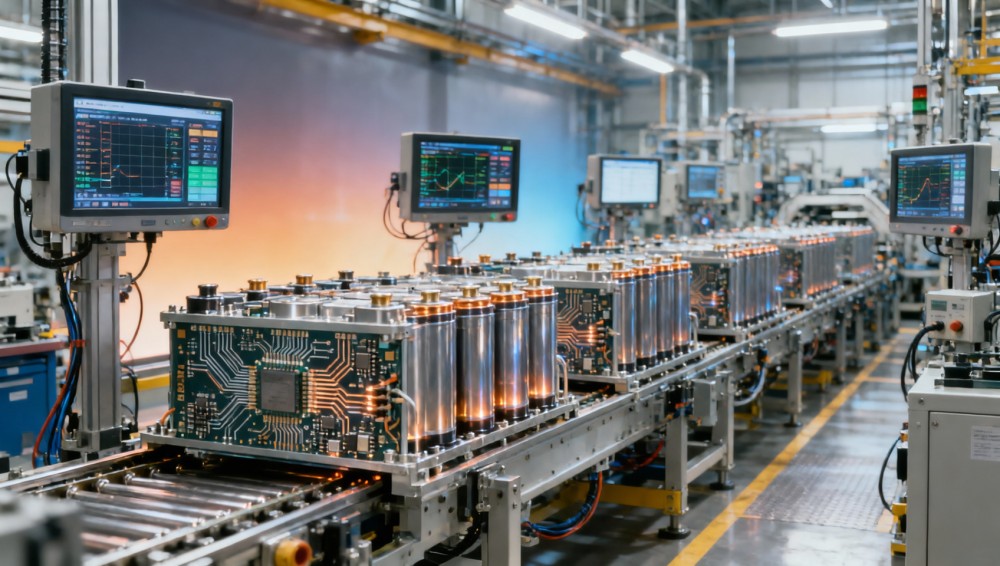
Confirmed reports on April 8, 2026, indicate that domestic enterprises have successfully commercialized sodium-ion battery cathode materials while achieving 160Wh/kg energy density at the cell level. The technology demonstrates a 25% cost advantage over mainstream lithium iron phosphate (LFP) batteries. These developments primarily target export-oriented energy storage systems.
Impact on Key Industries
Energy Storage Exporters
The cost reduction creates distinct pricing tiers for Chinese suppliers in international tenders. Analysis shows this could accelerate replacement cycles in off-grid and microgrid projects where upfront costs dominate purchasing decisions.
Raw Material Procurement
With sodium replacing lithium in certain applications, procurement strategies for battery-grade lithium carbonate may require reassessment. Current data suggests potential demand shifts rather than immediate substitution.
Renewable Energy Integrators
Project developers in emerging markets gain access to lower Levelized Cost of Storage (LCOS) solutions. This could improve the economics of solar-plus-storage deployments in regions with constrained infrastructure budgets.
Strategic Considerations for Businesses
Market Prioritization
Focus attention on countries with: 1) high diesel generator penetration 2) limited grid stability 3) renewable energy adoption incentives. These markets will likely demonstrate earliest adoption.
Supply Chain Evaluation
Assess dual-sourcing strategies for both sodium-ion and lithium-based technologies during the transitional period. Current production scales suggest hybrid solutions may dominate mid-term deployments.
Certification Preparedness
Anticipate evolving international standards for sodium-ion safety and performance testing. Early engagement with certification bodies can prevent market entry delays.
Industry Perspective
From an operational standpoint, this development represents a technological milestone rather than immediate industry disruption. Observers note that while the energy density remains below premium lithium solutions, the cost-performance ratio opens new market segments. The industry should monitor: 1) actual project deployment rates 2) cycle life validation in tropical climates 3) recycling infrastructure development.
Conclusion: This breakthrough establishes sodium-ion batteries as a credible alternative for specific energy storage applications rather than a wholesale replacement technology. Businesses should evaluate its role within diversified product portfolios while tracking real-world performance data from early adopters.
Sources: Industry regulatory announcements (April 2026), verified manufacturer technical disclosures. Ongoing monitoring required for: 1) actual production capacity utilization 2) international patent filings 3) emerging market procurement patterns.
Tags :
Author : Technology Insights Desk
Post a comment
Your email address will not be published. Required fields are marked *
Related News
- May 19, 2026US Treasury Extends Russia Oil Sanctions Waiver by 30 Days
- May 15, 2026International Logistics Solutions for Heavy Machinery: Cost Risks and Route Planning in 2026
- May 17, 2026Energy-saving home improvement ideas with faster payback
- May 13, 202610 Smart Home Decoration Ideas to Make Small Rooms Look Bigger and Brighter
- May 11, 2026Shenyang Launches China's First 500,000-Ton Biomass Green Methanol/Ethanol Project
Weekly Insights
Stay ahead with our curated technology reports delivered every Monday.