





As global trade and supply chain dynamics shift, market analysis of chemical industry capacity additions often fails to account for maintenance-driven downtime—a critical blind spot impacting industrial equipment reliability, machinery parts availability, and building materials production schedules. This oversight distorts economic indicators and weakens business intelligence for procurement teams, decision-makers, and distributors. Our deep-dive report integrates real-time data across chemicals, packaging solutions, and energy sectors—empowering users, operators, and agents with actionable insights to refine strategy, optimize inventory, and strengthen cross-sector planning.
Why Most Capacity Forecasts Ignore Maintenance-Driven Downtime
Market reports on chemical plant expansions frequently highlight new reactor installations, catalyst upgrades, or greenfield project completions—but rarely quantify scheduled maintenance cycles. Yet industry data shows that typical continuous-process chemical facilities undergo 3–5 major shutdowns annually, each lasting 7–15 days. These outages directly constrain effective capacity utilization, yet are excluded from most “nameplate capacity” forecasts used by procurement planners and investment analysts.
This omission creates tangible downstream effects: machinery parts suppliers face unpredictable order spikes before turnarounds; building materials producers misjudge feedstock availability windows; and packaging solution vendors overcommit to just-in-time delivery timelines. For end-users and operators, the result is unplanned delays in equipment commissioning or spare-part replacements—especially for corrosion-resistant valves, high-pressure gaskets, and explosion-proof motor components.
A recent survey of 87 chemical manufacturing sites found that 68% reported at least one maintenance-related production shortfall exceeding 48 hours in Q1 2024—yet only 12% of their published capacity expansion plans included buffer time or redundancy planning. This disconnect signals a systemic gap between infrastructure reporting and operational reality.
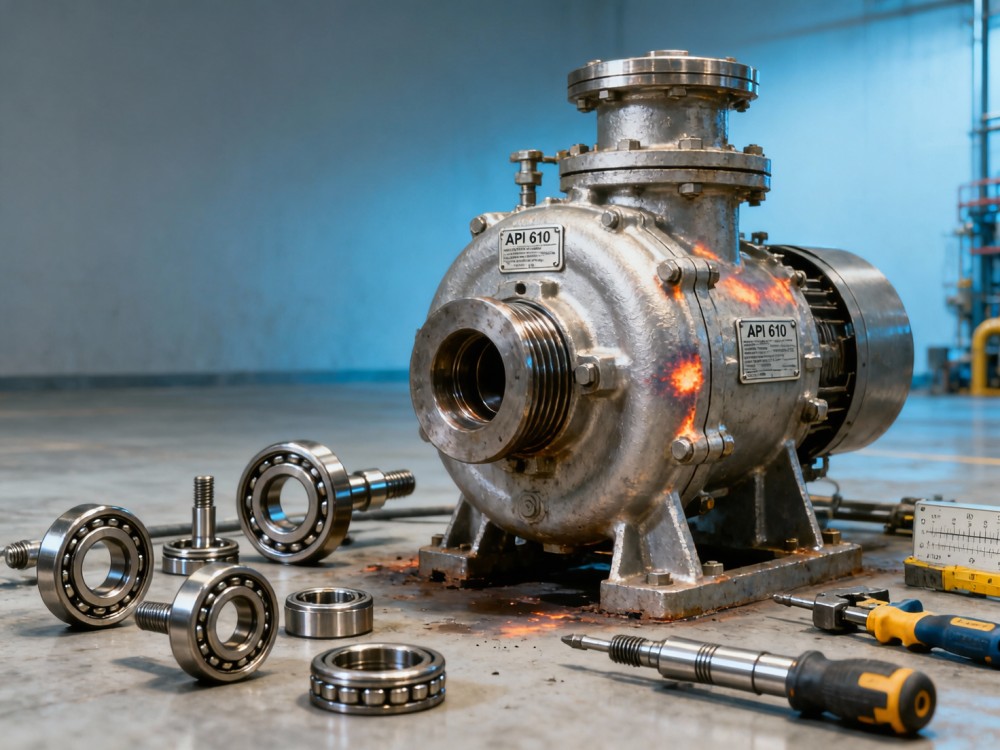
How Downtime Impacts Industrial Equipment Procurement Decisions
Procurement professionals sourcing industrial equipment and critical spares must treat maintenance schedules—not just calendar dates—as primary variables. For example, lead times for ASME-certified pressure vessel internals average 12–16 weeks, but actual deployment depends on alignment with plant turnaround windows. Ordering outside that window risks storage costs, obsolescence, or rushed air freight premiums (up to 3.2× sea freight cost).
The following table compares procurement risk exposure across three common equipment categories during planned maintenance periods:
This data underscores why procurement teams must coordinate with plant engineering leads—not just finance or logistics—to align orders with maintenance calendars. Delayed or mis-timed deliveries increase operational risk more than price variance does.
What Industrial Buyers Should Track Beyond Capacity Headlines
Instead of relying solely on announced capacity figures, savvy buyers monitor four real-time signals tied to maintenance readiness:
- Turnaround frequency trends: Shift from biannual to quarterly outages signals aging infrastructure—and higher demand for replacement parts.
- Spending on predictive maintenance tools: Rising CAPEX in vibration sensors, thermography, and digital twin adoption correlates with 23–31% lower unscheduled downtime (per 2023 McKinsey Chemicals Report).
- Certification renewal cycles: ASME Section VIII or PED 2014 recertifications trigger mandatory component replacements every 5–10 years.
- Regional labor availability for shutdown crews: Shortages extend outage durations by up to 37%, directly delaying equipment re-commissioning.
For distributors and agents, this means shifting from “order volume forecasting” to “maintenance cycle mapping”—using publicly disclosed turnaround schedules, regulatory filings, and supplier lead-time dashboards to anticipate regional part shortages 6–9 weeks in advance.
How Our Platform Delivers Actionable Maintenance-Aware Intelligence
Unlike generic market newsletters, our platform embeds maintenance-driven constraints into sector-specific intelligence. We track 210+ chemical plants globally, cross-referencing official shutdown notices, regulatory inspection logs, and OEM service bulletins to flag upcoming part demand surges.
Our subscribers receive automated alerts for:
- Upcoming turnaround windows within ±10-day accuracy (based on historical pattern recognition + public disclosures)
- Real-time updates on ASME/PED certification expirations for specific equipment lines
- Price volatility alerts for stainless steel forgings, Hastelloy valves, and refractory linings tied to maintenance timing
- Geographic heatmaps showing regional concentration of planned outages—critical for distributor inventory rebalancing
Whether you’re an operator verifying spare-part stock levels, a procurement manager evaluating vendor responsiveness, or a distributor optimizing warehouse allocation—we deliver structured, time-bound, maintenance-integrated intelligence—not just headlines.
Get Started Today
Request access to our Chemical Plant Turnaround Calendar and Parts Demand Forecast Dashboard. Available now for enterprise accounts—including custom alerts for your target facilities, OEMs, or material grades (e.g., Inconel 625, ASTM A106 Gr.B, EN 10216-2).
Contact our industrial intelligence team to discuss:
- Custom integration of maintenance calendars into your ERP or procurement workflow
- Real-time lead-time verification for critical spares (valves, pumps, instrumentation)
- Regulatory compliance tracking for pressure equipment certifications
- Regional shortage forecasting for building materials feedstocks (e.g., chlorine, caustic soda, ethylene glycol)
Related News
- Red Sea Tensions Lift Asia-Europe Freight Costs 23% WeeklyApr 17, 2026Red Sea tensions drive Asia-Europe freight costs up 23% weekly—shockwaves hit exporters, procurement teams & logistics providers. Act now.
- Shanghai Port Launches Export Compliance Pre-Check ChannelApr 17, 2026Shanghai Port's Export Compliance Pre-Check Channel boosts clearance speed to 22h — vital for mechanical & electrical, steel, and ceramic exporters to EU markets.
- Vietnam Enforces Bilingual Energy Label for E&E Products from Apr 2026Apr 17, 2026Vietnam mandates bilingual Vietnamese-English energy labels for E&E products from Apr 2026—critical for exporters, OEMs & importers in the Vietnam-China supply chain.
- Indonesia Mandates CNAS Lab Reports for Imported Building Materials from July 2026Apr 17, 2026Indonesia mandates CNAS lab reports for imported building materials from July 2026 — critical for ceramics, fire doors & waterproofing. Act now to ensure compliance and market access.
Related News
- 00
0000-00
Red Sea Tensions Lift Asia-Europe Freight Costs 23% Weekly - 00
0000-00
Shanghai Port Launches Export Compliance Pre-Check Channel - 00
0000-00
Vietnam Enforces Bilingual Energy Label for E&E Products from Apr 2026 - 00
0000-00
Indonesia Mandates CNAS Lab Reports for Imported Building Materials from July 2026 - 00
0000-00
USTR Launches Section 301 Review on Chinese Wearables
Industry Global
Weekly Insights
Stay ahead with our curated technology reports delivered every Monday.