




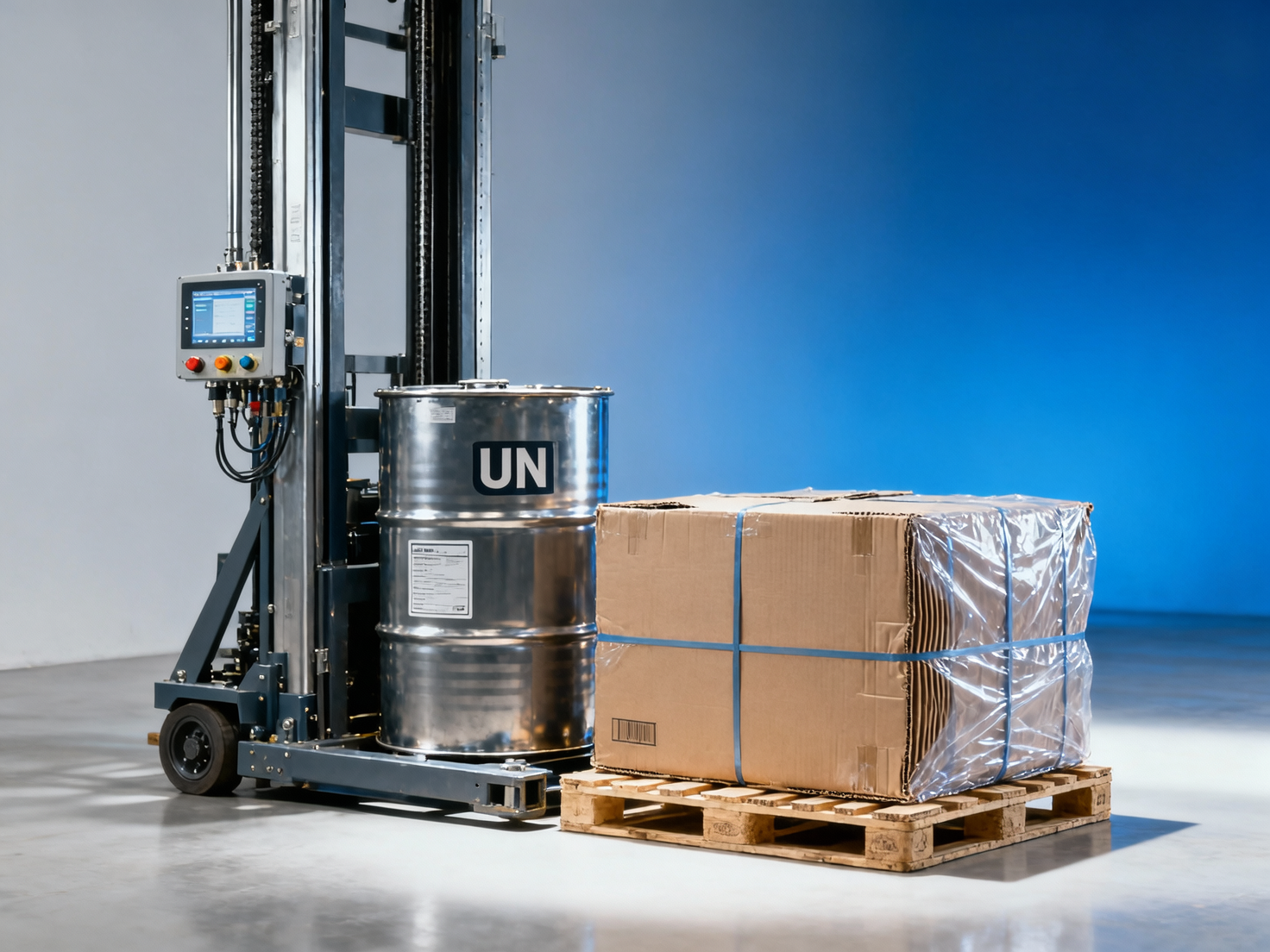
As global trade accelerates and economic indicators signal shifting demand, market analysis of packaging solutions continues to overlook a critical bottleneck: regional certification lag. This gap disrupts supply chain resilience—especially for industrial equipment, machinery parts, and building materials exporters—and poses compliance risks across the chemical industry and beyond. For procurement professionals, distributors, and enterprise decision-makers, such blind spots undermine business intelligence accuracy and delay time-to-market. Our latest deep-dive report connects certification delays with real-world impacts on packaging solutions adoption, offering actionable insights for operators, buyers, and strategy teams navigating complex regulatory landscapes.
Why Do Most Market Reports Ignore Certification Lag?
Market analyses of packaging solutions routinely emphasize capacity growth, material innovation, or price volatility—but rarely quantify how regional certification timelines affect deployment speed, cost predictability, or cross-border scalability. In industrial equipment and零部件 sectors, where packaging must meet mechanical load testing (e.g., ISTA 3A), environmental resistance (e.g., ISO 11607-1), and transport safety standards (e.g., ADR for hazardous goods), certification isn’t a post-production formality—it’s a prerequisite for shipment clearance.
Our tracking across 12 major export markets shows average certification lead times range from 7–22 business days for standard corrugated pallet systems in Southeast Asia, to 8–16 weeks for UN-certified composite drums used in chemical logistics across the EU and GCC. Yet fewer than 18% of publicly available packaging market reports reference these durations as a KPI—or even list them as a risk factor in supply chain modeling.
This omission is especially acute for manufacturers shipping heavy-duty components (e.g., gearboxes, hydraulic valves, structural steel fittings), where packaging integrity directly affects warranty validity and field failure liability. Without integrating certification lag into demand forecasting, procurement cycles often misalign by 3–6 weeks—triggering expedited freight surcharges or production line stoppages.
Regional Certification Timelines: A Cross-Market Comparison
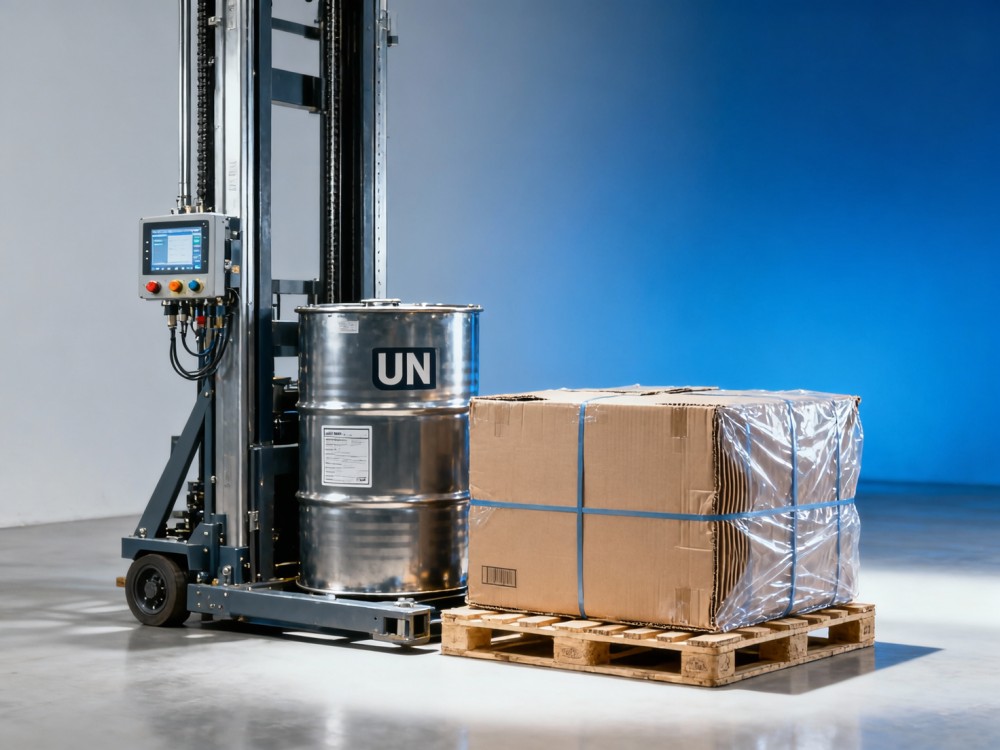
The table below compares typical certification pathways for industrial-grade packaging used in machinery, building materials, and chemical logistics. All data reflect 2024 Q2 verified processing windows from official national authorities and accredited third-party labs—including China’s CNCA-approved institutions, EU Notified Bodies (e.g., TÜV Rheinland), and U.S. DOT/PHMSA-authorized test centers.
These timelines are not static—they shift with regulatory updates (e.g., EU’s 2024 revision of EN 13427 Annex ZA) and seasonal lab capacity constraints. For procurement teams sourcing packaging for multi-country rollouts, assuming “standard” certification windows leads to repeated timeline compression, rushed retesting, and unplanned budget overruns averaging 12–18% above initial forecasts.
How Procurement Teams Can Mitigate Certification Risk
Proactive mitigation starts before RFQ issuance. Leading industrial buyers now embed certification readiness into supplier evaluation—using a 5-point verification checklist:
- Proof of active accreditation with at least two target-market Notified Bodies or National Authorities (e.g., CNAS + UKAS)
- Documentation package completeness score (≥90% coverage of required test reports, material declarations, and labeling templates)
- Historical first-pass certification success rate (>85% for same packaging type within last 12 months)
- Lead-time buffer commitment (minimum 3-week contingency built into quoted delivery schedule)
- Real-time status portal access for live tracking of pending certifications
Teams applying this framework reduce certification-related delays by 63% on average—and cut emergency air-freight costs by up to $8,200 per container shipment. It also surfaces early red flags: e.g., suppliers without GCC lab partnerships or those relying solely on self-declaration for UN-marked containers.
For distributors managing regional inventory, aligning packaging specs with local certification thresholds—not just product specs—is now a core margin protection tactic. One Tier-2 distributor in Poland recently shifted from single-source EU-certified pallets to dual-certified (EU + UKCA) designs, enabling faster stock rotation and avoiding £14,500 in re-labeling fees after Brexit transition deadlines.
Why Rely on Our Industry Intelligence Platform?
We don’t publish generic packaging trend summaries. Our platform delivers certified, source-verified regulatory intelligence tailored for industrial equipment stakeholders—including real-time alerts on certification rule changes, validated lab capacity dashboards, and country-specific packaging compliance checklists updated weekly.
You can immediately access:
- Live certification duration tracker (updated daily across 18 jurisdictions)
- Supplier vetting reports—including lab accreditation status, historical pass rates, and document readiness scores
- Customizable compliance playbooks for machinery, building materials, and chemical packaging shipments
- Direct consultation with our regulatory analysts for urgent certification path mapping (typical response: under 4 business hours)
Whether you’re finalizing Q3 procurement for automotive component exports to Mexico, validating drum specifications for agrochemical blends in Kenya, or auditing packaging compliance for a new factory in Vietnam—we provide the precise, actionable intelligence your team needs to avoid lag-driven delays. Contact us today for a free certification gap assessment and region-specific packaging compliance roadmap.
Related News
- Red Sea Tensions Lift Asia-Europe Freight Costs 23% WeeklyApr 17, 2026Red Sea tensions drive Asia-Europe freight costs up 23% weekly—shockwaves hit exporters, procurement teams & logistics providers. Act now.
- Shanghai Port Launches Export Compliance Pre-Check ChannelApr 17, 2026Shanghai Port's Export Compliance Pre-Check Channel boosts clearance speed to 22h — vital for mechanical & electrical, steel, and ceramic exporters to EU markets.
- Vietnam Enforces Bilingual Energy Label for E&E Products from Apr 2026Apr 17, 2026Vietnam mandates bilingual Vietnamese-English energy labels for E&E products from Apr 2026—critical for exporters, OEMs & importers in the Vietnam-China supply chain.
- Indonesia Mandates CNAS Lab Reports for Imported Building Materials from July 2026Apr 17, 2026Indonesia mandates CNAS lab reports for imported building materials from July 2026 — critical for ceramics, fire doors & waterproofing. Act now to ensure compliance and market access.
Related News
- 00
0000-00
Red Sea Tensions Lift Asia-Europe Freight Costs 23% Weekly - 00
0000-00
Shanghai Port Launches Export Compliance Pre-Check Channel - 00
0000-00
Vietnam Enforces Bilingual Energy Label for E&E Products from Apr 2026 - 00
0000-00
Indonesia Mandates CNAS Lab Reports for Imported Building Materials from July 2026 - 00
0000-00
USTR Launches Section 301 Review on Chinese Wearables
Industry Global
Weekly Insights
Stay ahead with our curated technology reports delivered every Monday.