




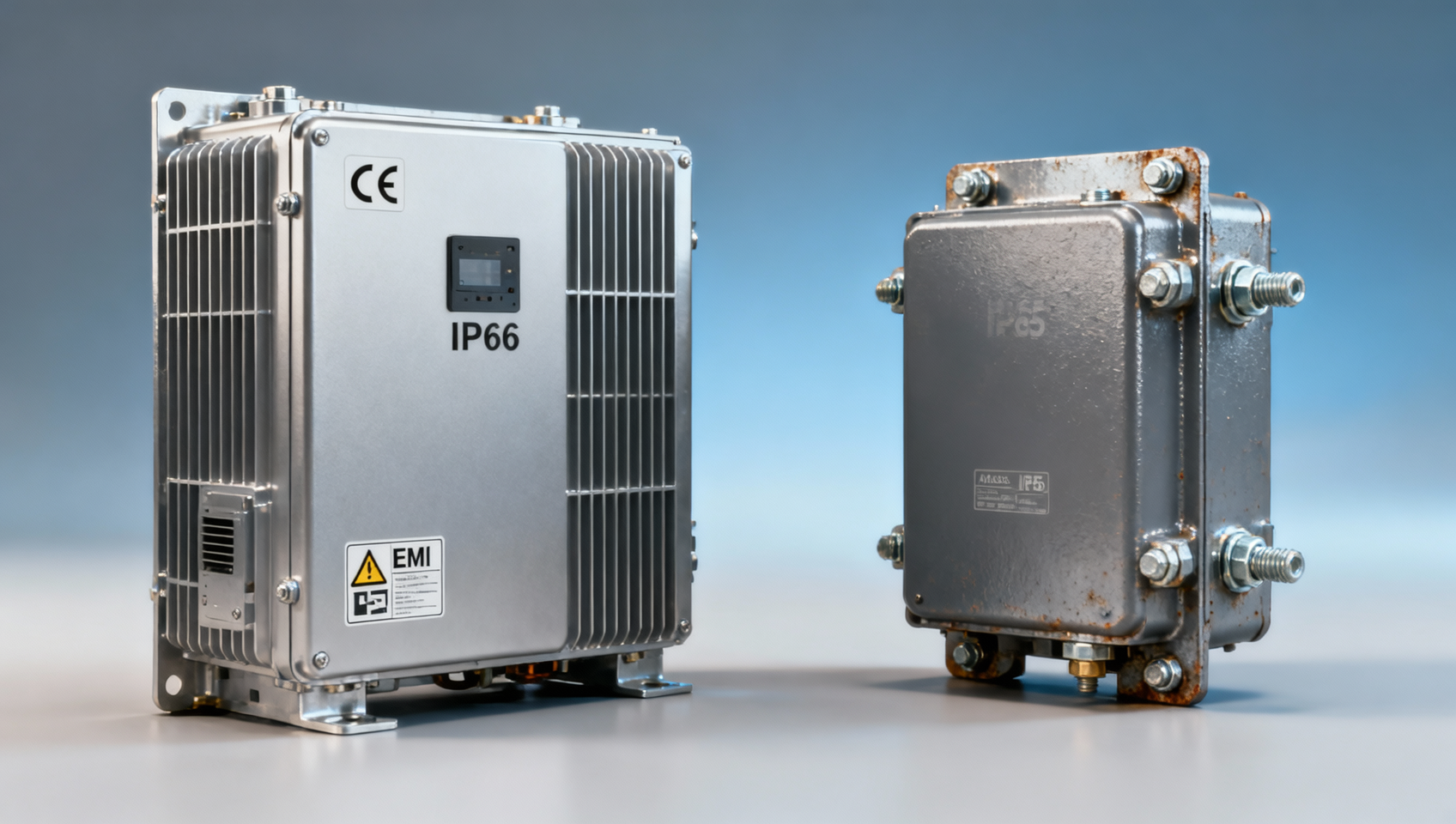
New market analysis reveals a striking divergence in energy sector demand between the EU and ASEAN—driven by contrasting foreign trade policy priorities, supply chain recalibrations, and regional economic indicators. As industrial equipment manufacturers and machinery parts suppliers adjust to shifting global trade dynamics, this split underscores critical implications for building materials, packaging solutions, and chemical industry stakeholders. Leveraging real-time business intelligence and market trend analysis, our platform delivers actionable insights—from technology innovation in energy infrastructure to company developments shaping cross-border e-commerce news. Stay ahead with authoritative market research reports and timely foreign trade news tailored for information researchers and enterprise decision-makers.
Divergent Regulatory Frameworks Shape Component Procurement Priorities
The European Union’s REPowerEU Plan mandates a 45% renewable energy target by 2030 and enforces strict CE marking compliance for all energy-related industrial components—including grid-tied inverters, medium-voltage switchgear, and hydrogen electrolyzer stack housings. This regulatory environment prioritizes traceability, carbon footprint documentation (EN 15804), and conformity assessment under Directive 2014/33/EU for pressure equipment used in thermal storage systems.
In contrast, ASEAN’s ASEAN Plan of Action for Energy Cooperation (APAEC) Phase II (2021–2025) emphasizes affordability, scalability, and localized assembly—favoring modular solar mounting structures, pre-fabricated transformer substations, and corrosion-resistant ducting for distributed biomass plants. Over 68% of ASEAN energy infrastructure projects launched in Q1 2024 specify ISO 9001-certified suppliers but do not require full CE or IEC 61850 certification for control cabinets.
This regulatory asymmetry directly impacts procurement lead times: EU-compliant gear typically requires 12–18 weeks for full conformity documentation and notified body review, while ASEAN-specified components average 5–9 weeks from order to FOB port delivery—provided local assembly partners are engaged at the design stage.
Suppliers must align their quality management systems accordingly: EU-bound production lines require dedicated calibration logs for torque tools used on LV switchboard busbar joints (±3% tolerance per IEC 61439-1), whereas ASEAN-focused lines prioritize humidity-controlled storage for galvanized fasteners (RH ≤60% for ≥72 hours pre-shipment) to prevent white rust formation during maritime transit.
Supply Chain Realignment Drives Regional Sourcing Strategies
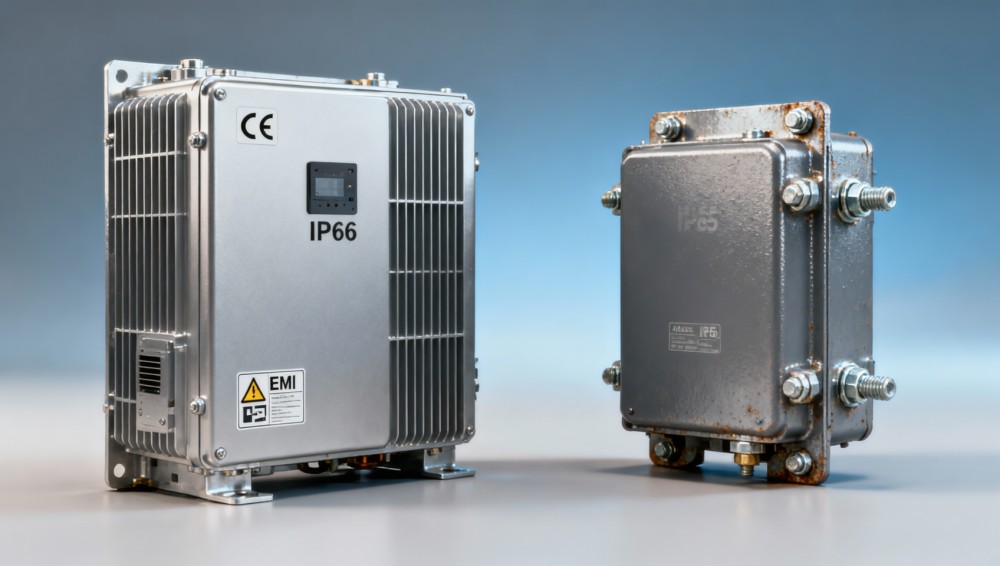
European OEMs have accelerated nearshoring: 42% of new energy component contracts awarded since January 2024 include clauses requiring ≥65% local value-add within the EU27 or UK. This has boosted demand for high-precision CNC-machined heat exchanger plates (thickness tolerance ±0.05 mm), low-loss amorphous metal transformer cores (core loss <0.8 W/kg at 1.7 T), and UL-listed flame-retardant cable trays rated for 950°C/30 min fire resistance.
Meanwhile, ASEAN buyers increasingly adopt “design-to-local-manufacture” models. Vietnam and Thailand now host over 210 certified Tier-2 suppliers for solar tracker drive gears, with typical gear backlash specifications held to 0.08–0.15°—tighter than legacy ASEAN standards but looser than EU’s 0.03–0.06° requirement for wind turbine yaw systems.
Logistics constraints further widen the gap: EU importers face average customs clearance delays of 3.2 days for non-pre-cleared energy components, while ASEAN ports like Laem Chabang and Tanjung Priok process 87% of energy-sector shipments within 24–48 hours—provided HS Code 8543.70 (electronic controllers) or 8412.29 (hydraulic actuators) declarations match physical goods exactly.
Technology Adoption Patterns Influence Component Specifications
EU utilities are deploying digital twin–enabled SCADA interfaces for substation automation, driving demand for IEC 61850-3–certified Ethernet switches with jitter <10 μs and operating temperature range –25°C to +70°C. These units require dual redundant power inputs (24/48 VDC) and support for GOOSE messaging with ≤4 ms end-to-end latency.
ASEAN markets favor ruggedized, analog-first solutions: 73% of new microgrid control panels deployed across Indonesia and the Philippines in 2024 use DIN-rail–mounted PLCs with 0–10 V analog I/O, 4–20 mA current loops, and IP65-rated enclosures—optimized for ambient temperatures up to 55°C and dust exposure common in rural installation sites.
Thermal management also diverges sharply. EU-specified battery energy storage system (BESS) enclosures mandate liquid-cooled cold plates with flow rate monitoring (min. 2.5 L/min per 50 kW module), whereas ASEAN BESS deployments rely on passive aluminum fin arrays with forced-air cooling—requiring only fan redundancy (2× 120 mm fans per 100 kWh rack) and no flow sensors.
Manufacturers serving both regions must maintain dual BOMs (Bill of Materials): one validated against EU harmonized standards and another optimized for ASEAN cost-performance thresholds—without compromising mechanical integrity or electrical safety margins.
Strategic Recommendations for Industrial Equipment Suppliers
To navigate this bifurcated landscape, industrial equipment suppliers should implement a three-tier response framework:
- Compliance Segmentation: Maintain separate QC checklists—one aligned with EU Notified Body audit criteria (e.g., Annex ZA of EN 61439-1), another mapped to ASEAN National Standards bodies (e.g., MS 1979:2018 in Malaysia, TIS 1898-2560 in Thailand).
- Modular Design Architecture: Develop base platforms (e.g., 1000 VDC solar combiner box) with interchangeable interface kits—CE-compliant busbar clamps vs. ASEAN-spec bolted lugs—to reduce NRE costs by up to 35% per regional variant.
- Documentation On-Demand: Deploy a cloud-based technical file portal where customers select region-specific deliverables (e.g., “EU Package” = DoC + test reports + RoHS declaration; “ASEAN Package” = COO + utility test cert + bilingual user manual).
Cross-functional teams should conduct quarterly alignment reviews covering tariff updates (EU’s 2024 Carbon Border Adjustment Mechanism impact on aluminum extrusions), ASEAN customs valuation trends (notably rising scrutiny on “free of charge” tooling included with machinery exports), and regional R&D incentive programs—such as Germany’s KfW grants for green hydrogen component testing or Singapore’s EnterpriseSG Productivity Solutions Grant for Industry 4.0 integration.
Conclusion: Aligning Capability with Regional Reality
The EU–ASEAN demand divergence is not a temporary fluctuation—it reflects structurally distinct industrialization paths, energy transition timelines, and risk appetites. For industrial equipment and components suppliers, success hinges on disciplined segmentation: applying rigorous EU-grade engineering discipline where regulation demands it, while embracing ASEAN’s pragmatic, cost-conscious innovation rhythm where appropriate.
Our platform continuously monitors over 127 regulatory bulletins, 89 port authority advisories, and 210+ OEM tender notices across both regions—translating raw data into procurement-ready intelligence. Whether you’re evaluating supplier readiness for a €12M German offshore wind substation contract or sourcing corrosion-resistant flanges for a 50 MW floating solar plant in Vietnam, our real-time dashboards deliver contextualized, actionable signals—not just headlines.
Access region-specific component demand forecasts, compliance roadmap templates, and supplier capability scorecards—updated weekly. Get your customized market intelligence briefing today.
- industrial equipment
- market analysis
- supply chain
- building materials
- chemical industry
- packaging solutions
- energy sector
- machinery parts
- global trade
- business intelligence
- economic indicators
- foreign trade news
- e-commerce news
- cross-border e-commerce news
- market trend analysis
- technology innovation
- company developments
- market research reports
- foreign trade policy
Related News
- Red Sea Tensions Lift Asia-Europe Freight Costs 23% WeeklyApr 17, 2026Red Sea tensions drive Asia-Europe freight costs up 23% weekly—shockwaves hit exporters, procurement teams & logistics providers. Act now.
- Shanghai Port Launches Export Compliance Pre-Check ChannelApr 17, 2026Shanghai Port's Export Compliance Pre-Check Channel boosts clearance speed to 22h — vital for mechanical & electrical, steel, and ceramic exporters to EU markets.
- Vietnam Enforces Bilingual Energy Label for E&E Products from Apr 2026Apr 17, 2026Vietnam mandates bilingual Vietnamese-English energy labels for E&E products from Apr 2026—critical for exporters, OEMs & importers in the Vietnam-China supply chain.
- Indonesia Mandates CNAS Lab Reports for Imported Building Materials from July 2026Apr 17, 2026Indonesia mandates CNAS lab reports for imported building materials from July 2026 — critical for ceramics, fire doors & waterproofing. Act now to ensure compliance and market access.
Related News
- 00
0000-00
Red Sea Tensions Lift Asia-Europe Freight Costs 23% Weekly - 00
0000-00
Shanghai Port Launches Export Compliance Pre-Check Channel - 00
0000-00
Vietnam Enforces Bilingual Energy Label for E&E Products from Apr 2026 - 00
0000-00
Indonesia Mandates CNAS Lab Reports for Imported Building Materials from July 2026 - 00
0000-00
USTR Launches Section 301 Review on Chinese Wearables
Industry Global
Weekly Insights
Stay ahead with our curated technology reports delivered every Monday.