




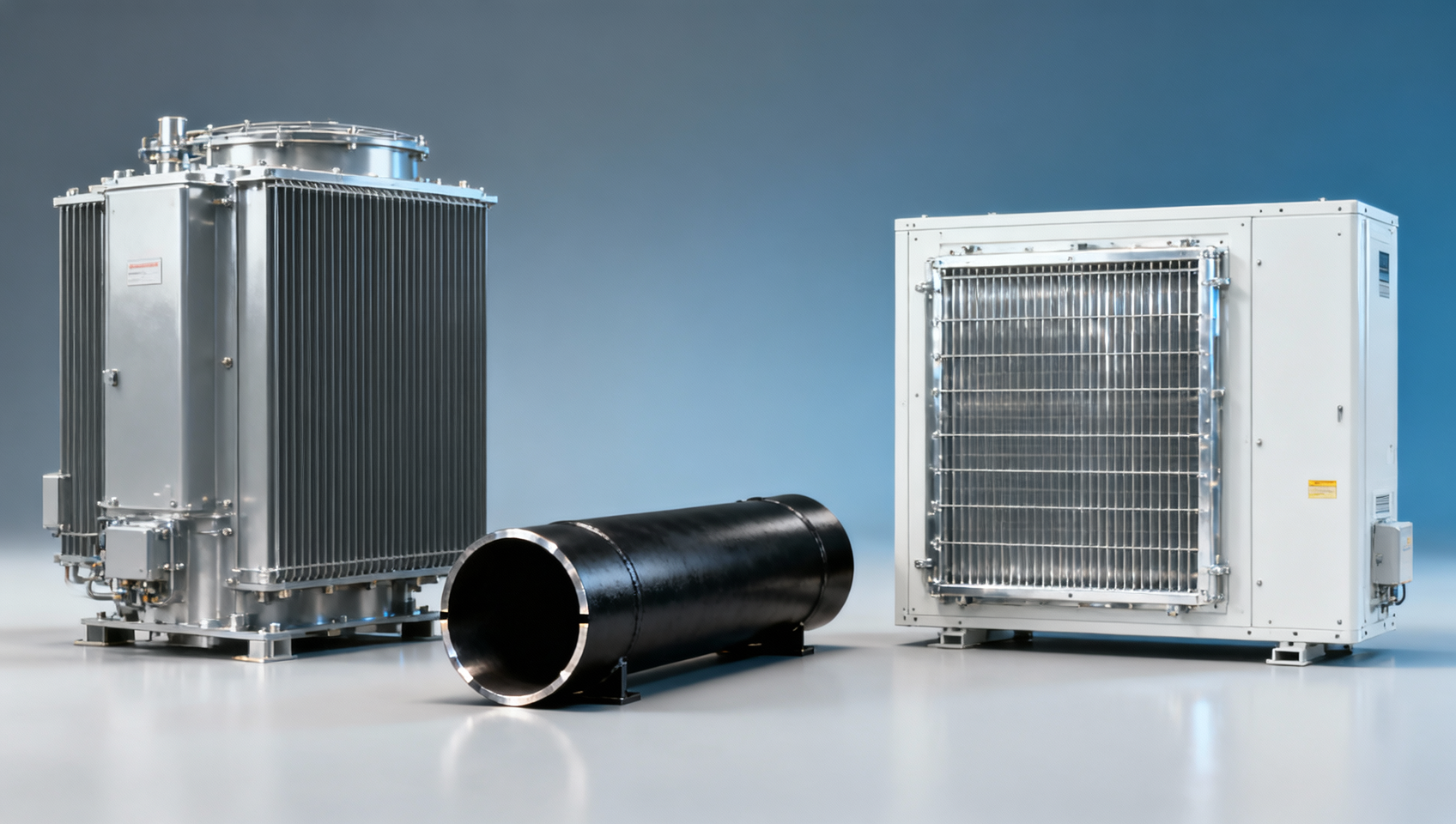
As economic indicators for the energy sector diverge sharply between OECD and non-OECD countries, businesses face mounting uncertainty in foreign trade policy, supply chain resilience, and industrial equipment investment decisions. This widening gap impacts building materials demand, chemical industry planning, machinery parts procurement, and packaging solutions—key concerns for manufacturers and global trade stakeholders. Leveraging real-time market analysis, business intelligence, and market trend analysis, our platform delivers actionable insights grounded in market research reports and technology innovation trends. For information researchers and enterprise decision-makers navigating e-commerce news, company developments, and energy sector volatility, this analysis supports strategic planning, risk mitigation, and opportunity identification across international markets.
Divergent Macroeconomic Signals: What They Mean for Industrial Equipment Procurement
OECD nations report slowing GDP growth (1.2% average in Q1 2024), rising interest rates (ECB at 4.5%, Fed at 5.25–5.5%), and tightening fiscal space—pressuring capital expenditure on energy infrastructure upgrades. In contrast, non-OECD economies show robust expansion: India’s manufacturing PMI held above 57.0 for 11 consecutive months; Vietnam’s industrial production grew 9.3% YoY in Q1; and Nigeria’s power generation capacity increased by 1.8 GW since 2022. These disparities directly affect demand patterns for industrial equipment—including transformers rated 10–35 kV, corrosion-resistant piping (ASTM A106 Grade B), and modular HVAC units for data centers and chemical plants.
For machinery suppliers and procurement managers, this divergence means regionalized sourcing strategies are no longer optional. A pump manufacturer exporting to Poland must now evaluate not just EU carbon border adjustment mechanism (CBAM) compliance but also local utility subsidy timelines—while its counterpart shipping to Indonesia must align with PLN’s 2025 grid modernization tender schedule and domestic content requirements (minimum 35% local assembly).
The implications cascade into lead time planning: average delivery windows for medium-voltage switchgear stretch from 14–18 weeks in Germany (due to component shortages and regulatory re-certification) versus 8–10 weeks in Thailand, where ASEAN harmonized standards (ASEAN-ELC) reduce conformity assessment cycles by 40%.
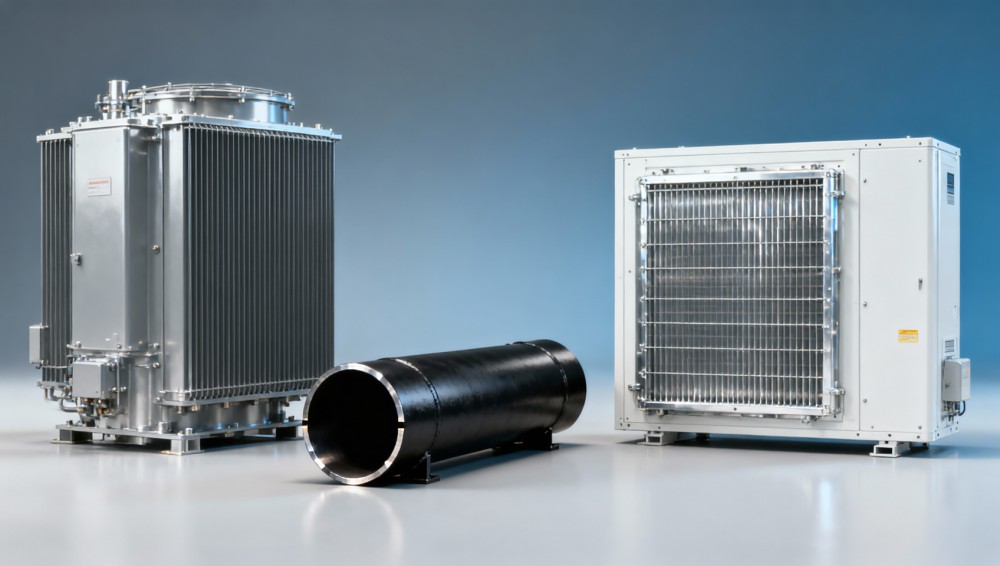
This table underscores a core procurement reality: cost competitiveness is increasingly decoupled from headline inflation or currency strength. Instead, localized regulatory velocity, certification portability, and infrastructure readiness determine landed cost and time-to-deployment—critical metrics for buyers of pressure vessels, PLC controllers, and heat exchangers used in chemical processing lines or district cooling systems.
Policy Fragmentation and Its Impact on Machinery Parts Sourcing
Energy-related industrial policy is bifurcating—not only between blocs but within them. The EU’s Energy Efficiency Directive (EED) now mandates minimum efficiency levels (IE4 standard) for all motors >0.75 kW placed on the market after July 2023, while Japan’s Top Runner Program enforces similar thresholds but allows phased compliance through 2026. Meanwhile, South Africa’s new National Energy Efficiency Strategy requires thermal insulation performance verification for HVAC ductwork per SANS 10400-XA, adding 3–5 days to quality inspection workflows for imported sheet metal components.
These variations create tangible friction points. A German OEM supplying centrifugal compressors to a petrochemical plant in Oman must submit dual documentation: CE marking for mechanical safety (EN ISO 12100) and Oman Standardization Authority (OSA) Type Approval for explosion-proof enclosures (OS GSO IEC 60079-1). That adds an average of 22 working days to pre-shipment clearance—and increases documentation error risk by 37%, per 2024 customs brokerage audit data.
Procurement teams must therefore embed regulatory intelligence into supplier evaluation. Key checkpoints include: (1) ISO 9001:2015 certification scope coverage (e.g., does it explicitly include “design validation for hazardous area equipment”?), (2) in-house testing lab accreditation (e.g., UKAS, CNAS, or SASO-approved), and (3) documented history of successful type approvals in ≥2 target markets.
Four Critical Supplier Evaluation Metrics for Cross-Border Equipment Sourcing
- Regulatory Response Time: Average days from regulation announcement to updated technical file submission (benchmark: ≤14 days for Tier-1 suppliers)
- Certification Portability Score: % of certifications accepted across ≥3 major export destinations (e.g., UL, CE, CCC, KC Mark)
- Local Compliance Support: On-ground engineering presence in ≥1 target country (not just distributor offices)
- Documentation Traceability: Digital twin of each batch with full material test reports (MTRs), weld maps, and NDT records accessible via API
Technology Adoption Gaps: Where Energy Indicators Meet Equipment Lifecycle Planning
Digital twin adoption for rotating equipment shows stark regional variation: 68% of turbine OEMs in France and Canada deploy predictive maintenance modules integrated with SCADA, versus 29% in Pakistan and 17% in Kenya. This gap isn’t merely about software—it reflects underlying infrastructure constraints: LTE-M coverage for remote sensor telemetry reaches 92% of industrial zones in OECD members but only 44% in low-income non-OECD nations.
Consequently, equipment spec sheets require dual-mode design considerations. A gearmotor specification for a cement plant in Morocco must list both analog (4–20 mA) and digital (IO-Link v1.1) output options—with clear guidance on required gateway compatibility (e.g., Siemens Desigo CC or Schneider EcoStruxure Building Operation).
Lifecycle cost modeling must also shift. While a high-efficiency motor may deliver ROI in 3.2 years in Sweden (with electricity at €0.21/kWh), the same unit takes 6.8 years in Bangladesh (electricity at $0.08/kWh)—making total cost of ownership (TCO) calculations highly sensitive to regional energy pricing structures and subsidy stability.
These discrepancies confirm that standardized global product catalogs are insufficient. Buyers must request region-specific configuration guides—especially for electrical protection classes, material traceability depth, and service interface protocols—to avoid field commissioning delays or warranty voidance.
Strategic Response: Building Adaptive Procurement Frameworks
Forward-looking procurement organizations are moving beyond static RFQ templates. They now deploy adaptive frameworks anchored in three pillars: (1) real-time regulatory alerting (integrated with platforms like GlobalTrade.net or RegData), (2) dynamic TCO calculators with location-adjusted inputs (energy cost, labor rate, import duties), and (3) modular qualification checklists that auto-update based on destination-country regulatory triggers.
For example, when sourcing air-cooled condensers for a new pharmaceutical facility in Mexico, the checklist automatically flags requirements for NOM-001-SEDE-2018 (electrical safety), NOM-003-ENER-2012 (efficiency), and US FDA 21 CFR Part 11 compliance for embedded control logs—reducing pre-qualification cycle time from 11 to 4.3 days.
Our industry intelligence platform supports this transition with daily-updated regulatory dashboards, cross-border tariff calculators, and OEM capability mapping—including verified certifications, production capacity (units/month), and documented lead time variance (±12% for Tier-1 suppliers vs ±34% for Tier-3).
Five Actionable Steps for Equipment Buyers in 2024
- Map your top 5 destination markets against our Energy Policy Divergence Index (EPDI), updated weekly
- Require suppliers to disclose their last three regulatory audit outcomes (not just certificates)
- Integrate real-time electricity price feeds (e.g., ENTSO-E, IEA Data Portal) into TCO models
- Standardize on ISO/IEC 17065-accredited certification bodies for multi-market acceptance
- Allocate 15–20% of procurement budget to regulatory intelligence subscriptions—not just hardware
In summary, the OECD–non-OECD energy indicator divergence is not a macroeconomic footnote—it’s a direct input into equipment specification, supplier selection, and lifecycle management. Ignoring it risks misaligned investments, delayed commissioning, and stranded assets. Our platform delivers the structured, real-time, and operationally actionable intelligence needed to navigate this complexity—from initial market screening to final FAT execution.
Get customized equipment sourcing advisories, regulatory alignment reports, and multi-market TCO modeling tools tailored to your industrial equipment portfolio. Contact our industry intelligence team today to align procurement strategy with energy market realities.
- industrial equipment
- market analysis
- supply chain
- building materials
- chemical industry
- packaging solutions
- energy sector
- machinery parts
- global trade
- business intelligence
- economic indicators
- e-commerce news
- market trend analysis
- technology innovation
- company developments
- market research reports
- foreign trade policy
Related News
- Red Sea Tensions Lift Asia-Europe Freight Costs 23% WeeklyApr 17, 2026Red Sea tensions drive Asia-Europe freight costs up 23% weekly—shockwaves hit exporters, procurement teams & logistics providers. Act now.
- Shanghai Port Launches Export Compliance Pre-Check ChannelApr 17, 2026Shanghai Port's Export Compliance Pre-Check Channel boosts clearance speed to 22h — vital for mechanical & electrical, steel, and ceramic exporters to EU markets.
- Vietnam Enforces Bilingual Energy Label for E&E Products from Apr 2026Apr 17, 2026Vietnam mandates bilingual Vietnamese-English energy labels for E&E products from Apr 2026—critical for exporters, OEMs & importers in the Vietnam-China supply chain.
- Indonesia Mandates CNAS Lab Reports for Imported Building Materials from July 2026Apr 17, 2026Indonesia mandates CNAS lab reports for imported building materials from July 2026 — critical for ceramics, fire doors & waterproofing. Act now to ensure compliance and market access.
Related News
- 00
0000-00
Red Sea Tensions Lift Asia-Europe Freight Costs 23% Weekly - 00
0000-00
Shanghai Port Launches Export Compliance Pre-Check Channel - 00
0000-00
Vietnam Enforces Bilingual Energy Label for E&E Products from Apr 2026 - 00
0000-00
Indonesia Mandates CNAS Lab Reports for Imported Building Materials from July 2026 - 00
0000-00
USTR Launches Section 301 Review on Chinese Wearables
Industry Global
Weekly Insights
Stay ahead with our curated technology reports delivered every Monday.