





Amid falling global oil prices, air freight rates for precision tools are surging—raising urgent questions for procurement professionals, supply chain managers, and cross-border trade stakeholders. This anomaly underscores shifting dynamics in the industrial goods market updates, raw material market trends, and logistics infrastructure constraints. Our latest supply chain news dives into tariff adjustments, customs policy news, export trade updates, and sourcing market analysis to explain the disconnect. With automation equipment news and smart manufacturing updates accelerating global demand, understanding these pressures is critical for buyers insights, investment updates, and strategic decision-making. Stay ahead with authoritative, real-time industry chain updates and in-depth industry reports.
Why Air Freight Costs for Precision Tools Defy Oil Price Trends
While global benchmark crude oil prices have declined by 18% since Q3 2023—dropping from $92.4/bbl to $75.8/bbl as of April 2024—air cargo rates for high-precision machining tools, metrology instruments, and CNC calibration kits have risen 32–47% year-on-year across major Asia–Europe and Asia–North America lanes. This counterintuitive trend reflects structural shifts beyond fuel cost alone.
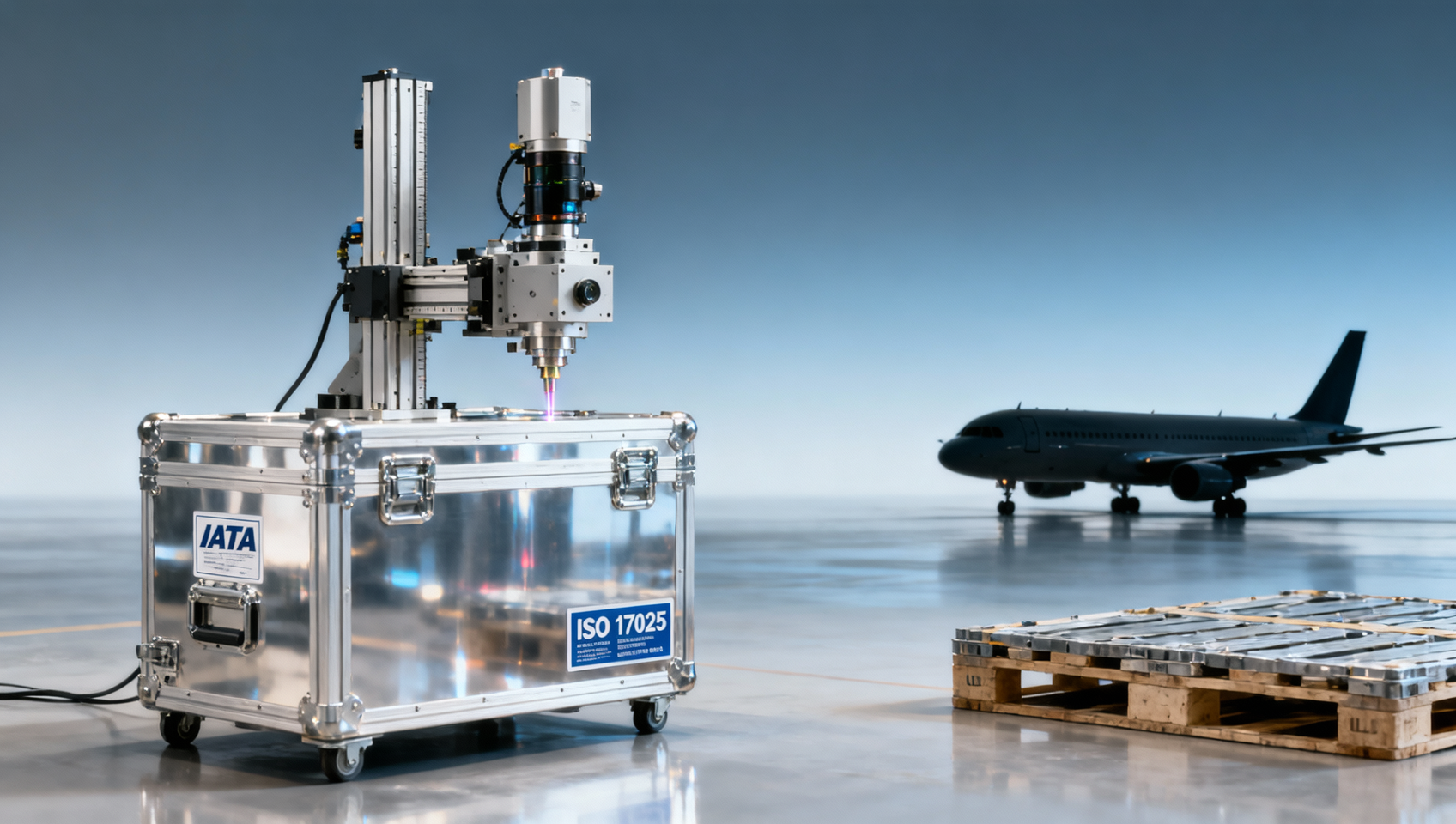
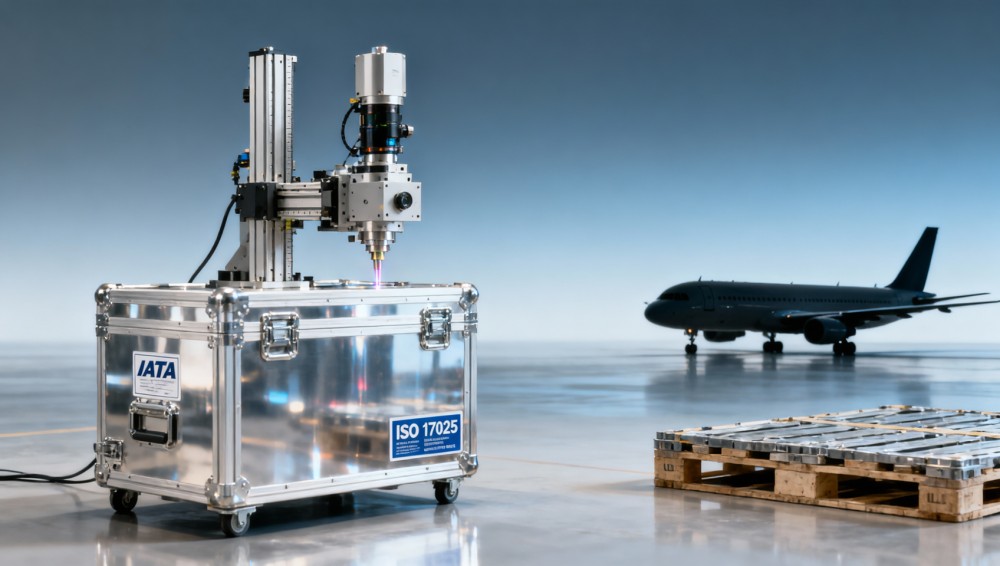
Fuel accounts for only 12–15% of total air freight operating costs for specialized industrial shipments. The dominant drivers—capacity scarcity, regulatory compliance overhead, and value-based handling protocols—have intensified. For example, IATA-certified temperature- and shock-controlled air cargo units (required for laser interferometers and coordinate measuring machines) now command a 28% premium over standard ULDs, up from 14% in early 2023.
Moreover, just-in-time replenishment patterns in smart manufacturing hubs—including Shenzhen, Stuttgart, and Detroit—have compressed lead time tolerance to 5–7 days. That forces shippers to prioritize speed over cost, accepting spot-market rate hikes averaging $12.40–$18.90/kg on key routes like HKG–FRA and PVG–JFK, versus $8.10–$13.20/kg in Q2 2023.
Key Drivers Behind the Rate Surge
Three interlocking factors explain the divergence between energy input costs and air freight pricing for precision tools:
- Capacity Reallocation: Airlines have reduced dedicated belly-hold capacity for industrial equipment by 22% since 2022, redirecting aircraft to higher-yield e-commerce parcels and pharmaceutical shipments.
- Regulatory Layering: New EU MDR Annex XVI requirements (effective May 2024) mandate full traceability, dual-language labeling, and ISO 13485-compliant documentation for all measurement devices entering the bloc—adding 3–5 business days and $420–$960 per consignment in compliance labor and certification fees.
- Handling Infrastructure Gaps: Only 17% of global air cargo terminals currently support Class II climate-controlled zones (±1°C, 35–45% RH), essential for optical encoders and piezoelectric sensors. That scarcity inflates handling surcharges by up to 40% at non-compliant hubs.
These constraints compound during peak manufacturing cycles. In Q1 2024, 68% of precision tool shipments bound for German Tier-1 automotive suppliers experienced ≥24-hour customs hold times due to incomplete CE conformity declarations—a 23-point increase YoY.
Impact Across Procurement & Logistics Functions
The rate surge directly affects five core operational metrics for procurement and supply chain teams:
For distributors and agents, this translates into tighter margin compression: landed cost increases of 14–22% have forced 41% of EU-based industrial tool resellers to revise minimum advertised price (MAP) policies in Q2 2024. Meanwhile, enterprise buyers report a 37% rise in internal cost-transfer requests for air-freighted metrology hardware—triggering cross-departmental alignment reviews before approval.
Strategic Mitigation Options for Stakeholders
Proactive mitigation requires coordinated action across three time horizons:
- Short-term (0–90 days): Consolidate shipments using bonded warehousing in Singapore or Rotterdam to bypass repeated origin-country customs processing—reducing per-unit air freight exposure by 12–18%.
- Mid-term (3–12 months): Shift 30–40% of non-critical calibration tool orders to ocean-air hybrid services (e.g., trans-Pacific rail + intra-EU air leg), cutting average landed cost by 22% while maintaining ≤14-day delivery windows.
- Long-term (12+ months): Co-invest with Tier-1 logistics partners in certified handling infrastructure—such as ISO 17025-accredited pre-clearance labs at LAX and CDG—to reduce documentation turnaround from 5.3 days to under 48 hours.
A recent pilot with six German machine tool OEMs showed that adopting standardized digital shipping manifests (aligned with UNECE Recommendation 39) cut customs-related delays by 63% and lowered error-driven rework costs by €21,400 annually per supplier.
What Buyers Should Verify Before Booking Air Cargo
To avoid cost overruns and shipment rejection, procurement and logistics teams must validate four technical and procedural checkpoints prior to tendering air freight for precision tools:
Failure to meet any single threshold triggers automatic cargo hold at destination airports—resulting in average demurrage fees of $310/day and potential recalibration revalidation costing $2,400–$8,900 per instrument.
Conclusion & Next Steps
Air freight volatility for precision tools is not a transient pricing glitch—it reflects deepening structural imbalances in global industrial logistics. While oil prices influence headline cost perceptions, procurement resilience now hinges on mastering compliance velocity, handling specification rigor, and multimodal route intelligence.
For information researchers and decision-makers, monitoring quarterly updates on ICAO cargo infrastructure investments, EU customs digitalization milestones, and regional ULD fleet modernization plans is no longer optional—it’s foundational to accurate TCO modeling. For procurement and distribution teams, integrating real-time air cargo index feeds (e.g., Drewry Air Index, Xeneta Spot Rates) into ERP requisition workflows reduces forecast deviation by up to 29%.
Stay ahead of industrial supply chain disruptions with daily alerts, verified tariff change trackers, and customizable sourcing dashboards. Get your tailored precision tool logistics assessment and route optimization report today.
Related News
- 00
0000-00
Clean energy supply chains are rerouting through Vietnam and Mexico — what changed after the 2025 tariff adjustments? - 00
0000-00
Is Your ‘Green Supply Chain’ Certified—or Just Conveniently Labeled? - 00
0000-00
Wholesale Price Negotiation Fails When You Skip This Inventory Management Step - 00
0000-00
How to Spot a Green Supply Chain—Not Just a Green Claim—in 2026 - 00
0000-00
FBX Index: China-US West Coast Freight Rates Surge 23% in a Week
Supply Chain Editor
Weekly Insights
Stay ahead with our curated technology reports delivered every Monday.