





When business intelligence for market analysis becomes too generic, the problem is not just lack of detail—it is loss of decision quality. For researchers, buyers, operators, evaluators, and executives, broad summaries rarely explain why building materials prices move differently from chemicals, why semiconductor supply risks do not follow the same logic as home decoration demand, or why a policy change matters in one sector but not another. The practical conclusion is clear: useful market intelligence must be sector-specific, timely, and tied to actual business decisions. Otherwise, teams may collect more information while understanding less.
For a multi-industry environment, this matters even more. A platform that tracks manufacturing, foreign trade, machinery, building materials, home improvement, chemicals, packaging, electronics, e-commerce, and energy cannot rely on one generic framework for all readers. Different users need different signals, different levels of granularity, and different forms of interpretation. The real value of business intelligence for market analysis lies in turning scattered updates into decision-ready context.
Why Generic Market Intelligence Fails Real-World Decision-Making
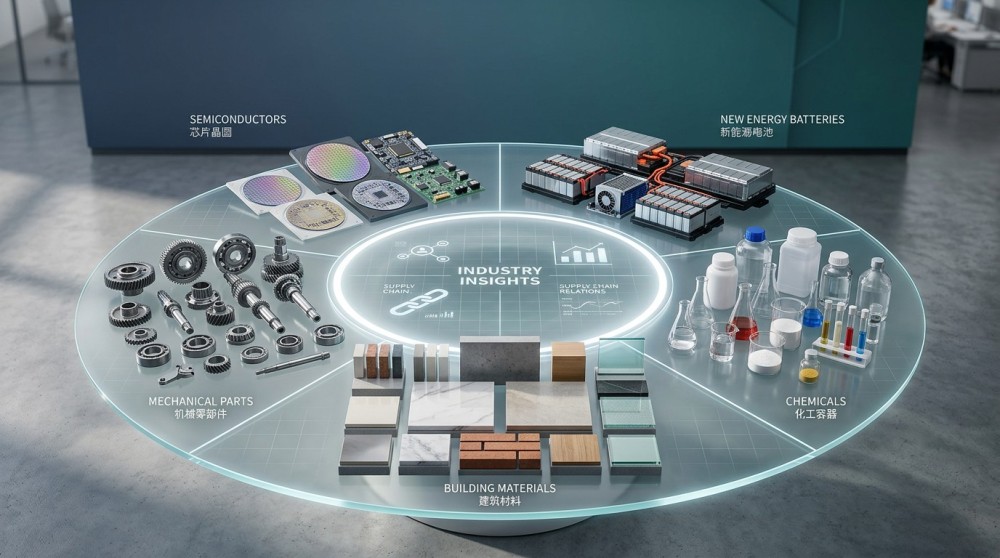
The core search intent behind this topic is usually practical: readers want to know how to tell whether their market analysis is too broad to be useful, what risks that creates, and how to improve it. They are not looking for a theoretical definition of business intelligence. They want better judgment.
Generic business intelligence often fails for three reasons:
- It smooths out sector differences. A single market narrative may treat all industries as responding the same way to inflation, logistics, regulation, or demand shifts, when in reality each sector reacts differently.
- It lacks decision context. Knowing that “the market is under pressure” is not enough. Procurement teams need supplier and price signals. Operators need execution risks. Executives need margin, timing, and scenario implications.
- It overemphasizes volume over relevance. More dashboards, more headlines, and more data feeds do not automatically improve insight. If signals are not filtered by industry, geography, product line, and decision type, teams become slower, not smarter.
This is especially visible in comprehensive industry news environments. A policy update affecting export compliance may be critical for foreign trade teams, moderately relevant for machinery manufacturers, and almost irrelevant for local home improvement retailers. If reporting treats all updates equally, users still have to do the hard work themselves.
What Different Readers Actually Need From Business Intelligence for Market Analysis
Although all target readers want reliable information, their priorities are not the same.
Information researchers care most about signal quality. They need structured coverage, source reliability, sector tagging, and enough context to separate noise from trend. Their biggest concern is whether the intelligence helps them reach a sound conclusion faster.
Users and operators focus on execution impact. They want to know what changes in production, supply, inventory, logistics, product specifications, or customer demand. They need actionable interpretation, not abstract commentary.
Procurement professionals look for timing, price movement, supplier stability, substitution options, and regional changes. For them, generic market analysis is risky because it can hide the factors that directly affect cost and continuity.
Business evaluators need comparability and commercial meaning. They want to understand whether a market movement is temporary, structural, local, policy-driven, or competitive. Their concern is not just what happened, but how it changes opportunity and risk.
Business decision-makers care about business value. They need to see where margins may tighten, where investment may become more attractive, where demand is shifting, and where strategic attention should go next. For this audience, overly generic analysis wastes time and can distort planning.
In short, the most useful intelligence does not simply summarize the market. It helps each role make a clearer decision.
What Sector-Specific Analysis Looks Like in Practice
Sector-specific business intelligence for market analysis does not mean creating isolated reports with narrow scope. It means interpreting developments through the logic of each industry.
For example, home decoration market insights should not only describe consumer sentiment. They should also connect housing turnover, renovation cycles, material preferences, channel shifts, and pricing pressure across related categories.
Building materials price fluctuations require more than broad inflation commentary. Buyers and evaluators need to understand whether changes come from energy costs, raw materials, environmental policies, regional construction demand, freight shifts, or supply-side constraints.
Machinery industry business intelligence becomes useful when it links manufacturing orders, project investment, export demand, parts availability, and industrial policy. A general statement about “slowing industrial activity” is less helpful than identifying which subsegments are resilient and why.
Clean energy market trends need differentiated tracking across technologies, regulatory incentives, capital intensity, grid conditions, and upstream materials. Solar, battery, hydrogen, and energy storage markets do not move for the same reasons at the same speed.
Semiconductor supply chain updates are another strong example. Useful analysis must clarify node capacity, packaging constraints, geopolitical exposure, inventory cycles, end-market demand, and regional policy support. Without that context, updates on “chip shortages” or “industry recovery” remain too vague to guide action.
This is where industry-focused intelligence creates value: it translates broad events into sector logic and then into business consequences.
How to Tell When Your Current Market Intelligence Is Too Generic
Many organizations do not realize their intelligence process is too generic until decisions start missing the market. Common warning signs include:
- Reports contain many updates but few recommendations.
- Different departments read the same brief but still draw conflicting conclusions.
- Teams spend excessive time interpreting what a development means for their own category or region.
- Price movement reports explain what changed, but not why or what is likely next.
- Policy and regulation updates are circulated without industry-specific impact assessment.
- International trade news is tracked, but supplier, buyer, and channel implications remain unclear.
- Executives ask for “the so what” because reports stop at information delivery.
If these patterns appear frequently, the issue is not lack of information. It is lack of usable intelligence.
How Better Industry Intelligence Supports Procurement, Strategy, and Operations
When market intelligence becomes more specific, the benefit is immediate across business functions.
For procurement, better analysis improves sourcing timing, negotiation confidence, supplier diversification, and cost forecasting. If a team understands not just that chemicals prices are moving, but which upstream drivers are causing the shift and how long they may last, it can respond earlier and more precisely.
For operations, sector-based intelligence helps with production planning, inventory control, and risk management. Machinery operators, packaging teams, or electronics manufacturers can identify where supply disruption, technology changes, or policy shifts may affect throughput.
For strategy teams, sharper intelligence reveals emerging opportunities faster. This could mean recognizing where export momentum is rising, where demand is shifting toward new materials, where regulatory direction favors clean energy investment, or where channel dynamics in e-commerce are altering purchasing patterns.
For executives, the return is better prioritization. Instead of reacting to every headline, leaders can focus on the developments most likely to influence revenue, margin, market entry, product roadmap, or partnership decisions.
In all cases, decision quality improves when intelligence answers three questions clearly: What changed? Why does it matter in this industry? What should we do next?
What High-Value Market Analysis Should Include
To avoid generic reporting, a strong business intelligence framework should include the following elements:
- Industry segmentation: analysis organized by sector, subcategory, product type, and application scenario.
- Driver-based interpretation: explanation of what is causing a movement, not just reporting that it occurred.
- Role-based usability: insights tailored for researchers, buyers, operators, evaluators, and executives.
- Policy and regulation mapping: clear assessment of which industries, regions, and business functions are affected.
- Price and supply chain context: movement tracking linked to raw materials, logistics, production, and trade factors.
- Time relevance: distinction between immediate disruptions, medium-term trends, and long-term structural change.
- Action orientation: practical implications, not just information accumulation.
For a comprehensive industry news platform, this means the job is not only to collect updates across sectors. It is to organize them so users can quickly understand relevance, urgency, and likely business impact.
Why Comprehensive Industry Coverage Still Needs Sharp Filtering
Broad coverage is valuable, but only when paired with effective filtering and interpretation. Multi-sector visibility helps users spot cross-industry relationships, such as how energy costs influence chemicals, how packaging demand reflects e-commerce growth, or how foreign trade policy affects machinery exports. But if all this information is delivered in a flat way, the user still faces overload.
The best comprehensive platforms do two things at once: they keep wide market visibility while preserving sector depth. That combination is what helps users compare industries without losing the details that matter in each one.
This is particularly important for organizations that operate across multiple sectors or depend on connected supply chains. A building materials buyer may need energy market signals. An electronics company may need semiconductor updates and international trade monitoring. A content team may need to track policy, price, corporate, and technology developments together. Broad access is useful—but only if the intelligence stays structured and specific.
Conclusion: Useful Intelligence Is Specific Enough to Guide Action
When business intelligence for market analysis gets too generic, the biggest loss is not informational accuracy but practical usefulness. Readers may still receive data, news, and summaries, yet remain uncertain about what matters most, what risk is rising, and what action makes sense.
For information researchers, operators, procurement teams, business evaluators, and executives, the answer is not more generic reporting. It is better sector-specific interpretation. Whether the subject is home decoration market insights, building materials price fluctuations, machinery industry business intelligence, clean energy market trends, or semiconductor supply chain updates, the real value lies in connecting developments to business context.
In a fast-moving market environment, the strongest intelligence is not the broadest summary. It is the clearest explanation of what changed, why it matters in a specific industry, and how that should shape the next decision.
- market analysis
- supply chain
- building materials
- industry news
- business intelligence
- policy and regulation updates
- supply chain updates
- foreign trade policy
- international trade news
- manufacturing
- foreign trade
- international trade
- machinery
- home improvement
- home decoration
- chemicals
- packaging
- electronics
- semiconductor
- e-commerce
- energy
- clean energy
- business intelligence for market analysis
- semiconductor supply chain updates
- clean energy market trends
- building materials price fluctuations
- machinery industry business intelligence
- home decoration market insights
Related News
- Market Analysis Techniques for Clean Energy That Reduce Blind SpotsApr 22, 2026Market analysis techniques for clean energy reduce blind spots by linking clean energy market trends, policy updates, and supply chain risks to faster, smarter B2B decisions.
- When Business Intelligence for Market Analysis Gets Too GenericApr 22, 2026Business intelligence for market analysis gets results only when it is sector-specific. Discover home decoration market insights, clean energy market trends, semiconductor supply chain updates, and more.
- AI Lobster Clerk Debuts at Retail Expo, Draws SEA Procurement InquiriesApr 19, 2026AI Lobster Clerk debuts at China Retail Expo—drawing SEA procurement interest with multilingual AI, 99.2% OCR accuracy & offline-ready retail automation.
- 2026 Humanoid Robot Half Marathon in BeijingApr 19, 20262026 Humanoid Robot Half Marathon in Beijing: First international robotics race sparks global procurement interest in Chinese motion control chips, joint modules & RTOS integration.
Related News
- 00
0000-00
Two Supreme Organs Issue Anti-Bribery Judicial Interpretation (II) - 00
0000-00
Yangtze River Delta: 163 Projects Boost Manufacturing Sourcing Hub - 00
0000-00
China’s 'AI+Education' Action Plan Opens Standardization Window for AI Ed-Tech Exports - 00
0000-00
HKMA Sets Q3 2026 Timeline for First Stablecoin Licenses - 00
0000-00
China-Sri Lanka Joint Operation Repatriates 125 Telecom Fraud Suspects
Technology Insights Desk
Weekly Insights
Stay ahead with our curated technology reports delivered every Monday.