
Industry Chain Analysis: How Material Shortages Reshape Manufacturing Networks




Global Supply Dynamics and the Ripple Effect on Manufacturing Chains
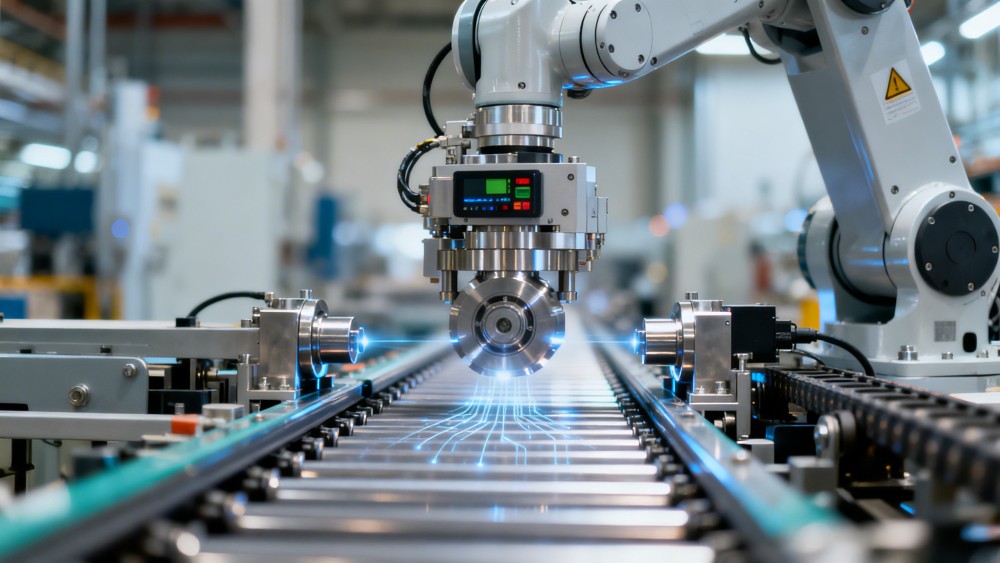
In the face of global supply fluctuations, material shortages are reshaping manufacturing networks and redefining industry dynamics. This article provides in-depth industry chain analysis supported by business intelligence news, feature industry reports, and supply chain updates. Explore how global sourcing trends, automation equipment trends, and export policy news influence production strategies, cost structures, and investment trends—offering sourcing insights and market research reports to guide decision-makers and industry professionals in navigating an increasingly complex manufacturing landscape.
Material shortages have emerged as a defining challenge for the industrial equipment and components sector since 2020, with an average 25–40% increase in raw material lead times. Steel, aluminum, semiconductors, and specialty polymers have been among the most affected categories. These disruptions have forced manufacturers to revisit their sourcing models and rethink strategies surrounding inventory management, supplier diversification, and production planning timelines.
In a survey conducted among mid-sized machinery suppliers, nearly 68% reported production delays exceeding 10 days per cycle due to component shortages. For global manufacturers, each week of delay can lead to 2–4% cost inflation in logistics and energy expenditure. Understanding how supply structures adapt to this pressure requires analyzing both vertical integration practices and horizontal sourcing networks that connect different tiers of the value chain.
As procurement teams and executives assess new strategies, a clear view of material flow from upstream extraction to final assembly becomes critical. This section outlines the changing dynamics of raw material accessibility, regional dependencies, and risk exposure across supplier ecosystems. The goal is to provide data-driven insights that guide adaptations in pricing, design, and delivery timelines within industrial manufacturing environments.
Key Vulnerabilities in the Industrial Equipment Supply Chain
Industrial equipment and parts manufacturers depend heavily on steady access to stainless steel, precision alloys, bearings, and pneumatic fittings. When market inventory levels dip below 70% of typical availability, production bottlenecks quickly emerge. Delayed deliveries from Tier-2 or Tier-3 suppliers often cascade down, affecting assembly and test phases within 7–10 days. Understanding where these vulnerabilities sit along the chain is vital for strategic mitigation.
Current bottlenecks can be categorized into three main areas: raw material extraction and processing; logistics and energy constraints; and customs and export compliance. For instance, energy price spikes of over 35% in certain regions between 2021–2023 directly impacted foundry and forging operations requiring furnace temperatures exceeding 1,000°C. This not only elevated production cost per ton but also reduced manufacturing throughput by nearly 18% in severe cases.
The table below summarizes typical material categories affected and their corresponding impact levels on manufacturing operations:
This data reveals that even small disruptions accumulate exponentially. For precision equipment producers working on 6–8 week production cycles, an additional 30 days of component wait results in capital lockup and delayed revenue recognition. To contain the effect, firms increasingly rely on predictive analytics and supplier scorecards to forecast shortages before they disrupt the fulfillment window.
Adaptive Strategies and Network Redesign
Facing chronic shortages, manufacturers are investing heavily in adaptive strategies focused on agility, transparency, and nearshore sourcing. Network redesign starts with supply data mapping, typically encompassing 4–5 tiers of vendor linkages. By re-evaluating component criticality and transport dependencies, companies achieve up to 15% improvement in on-time delivery metrics within 12 months of strategic alignment.
A decisive trend observed is the shift from “Just-in-Time” to “Just-in-Case” inventory logic. While inventory carrying costs climb by approximately 8–12%, reduced stoppage compensates through higher customer fulfillment reliability. Automation plays a supporting role: deployment of smart material-handling systems with ±0.2 mm accuracy reduces sorting and inspection workloads by 30–40% and boosts throughput predictability across multiple product lines.
The following framework explores representative approaches applied by firms reengineering their supply chains under scarcity conditions:
Such measures help stabilize procurement systems that span metals, electronic control components, and precision fittings. By synchronizing digital platforms across suppliers, manufacturers can capture early-warning signals of material depletion and dynamically adjust batch schedules instead of halting entire lines. These improvements directly influence margins, sustaining profitability even under average raw cost escalation of 12–18% per annum.
Policy Influence, Technological Drivers, and Market Adaptation
Government regulations and trade agreements increasingly shape material accessibility. Changes in export quotas, carbon tariffs, and recycling mandates can shift procurement costs by up to 10% per quarter. Firms engaged in cross-border machinery and parts trade must build buffers for administrative lead times averaging 7–15 days due to new certification requirements. Understanding these policy levers is crucial for risk-adjusted planning and budget forecasting.
Concurrently, industrial automation and digital intelligence are transforming how shortages are managed in real time. Predictive maintenance analytics, drawing from sensor data at 5-minute intervals, identify usage peaks that inform material ordering cycles. This approach reduces emergency procurement events by roughly 30%. Additive manufacturing also mitigates gaps; metal 3D printing with 0.1 mm precision facilitates on-demand fabrication of low-volume spares.
Regional markets respond differently to these challenges. Asian economies have leveraged cluster-based sourcing with production buffers spanning 2–3 weeks, while European assemblers emphasize sustainability-driven local material recycling. Decision-makers, therefore, must tailor mitigation strategies aligning with their trade corridor dynamics, from ASEAN factories to EU warehouses.
The interplay between regulation, technology, and market behavior will continue determining the flexibility of manufacturing networks. Those able to integrate compliance tracking and automation investments into a consistent sourcing roadmap are likely to achieve resilient configurations ahead of 2026, when global demand for industrial equipment is projected to increase by 8–10% annually.
FAQ: Addressing Common Questions on Material Shortages
How should manufacturers prioritize component sourcing when shortages occur?
Prioritize based on production criticality and replacement flexibility. Components with requalification time above 48 hours or unique specifications should be sourced first via dual suppliers. Non-critical parts can be negotiated with extended lead agreements to smooth the inventory curve.
What is the typical recovery period after severe material shortages?
Depending on the product category, the stabilization timeline ranges from 3 to 9 months. Steel and copper markets typically normalize faster within 12–16 weeks, while semiconductors and precision electronics may require up to two fiscal quarters due to wafer lead constraints.
Which risk indicators should procurement teams monitor?
- Supplier delivery rate declining below 85% for two consecutive months
- Raw material price volatility exceeding ±5% within a 14-day period
- Freight delays beyond 10 calendar days on major routes
- Energy cost share rising over 20% of unit manufacturing cost
What role do digital platforms play in mitigating shortages?
Digital supply networks integrate data across procurement, logistics, and production modules, enabling early alerts and dynamic procurement adjustments. Adoption of cloud-based supply visibility tools can reduce decision latency by about 40% and minimize excess ordering risks.
Conclusion and Strategic Outlook
Material shortages will remain a defining factor in reshaping global manufacturing networks. By understanding network interdependencies, embracing automation, and leveraging predictive analysis, industrial equipment producers can transform supply crises into drivers for modernization. Cross-functional integration—covering production engineering, procurement analytics, and export compliance—is now essential for sustainable competitiveness.
Decision-makers are encouraged to evaluate supplier resilience, map tier exposure, and initiate digital transformation within their sourcing operations. Aligning short-term adaptation with long-term resilience can secure both cost stability and customer reliability across volatile ecosystems. For organizations seeking deeper insights into strategic sourcing, material substitution feasibility, or policy tracking in the machinery sector, direct consultation with specialized industry intelligence providers is recommended.
Contact our industrial analysis team today to access customized reports, supplier benchmarking tools, and end-to-end solutions that strengthen your manufacturing network against future material disruptions.
Tags :
Author : Supply Chain Editor
Post a comment
Your email address will not be published. Required fields are marked *
Related News
- May 19, 2026US Treasury Extends Russia Oil Sanctions Waiver by 30 Days
- May 15, 2026International Logistics Solutions for Heavy Machinery: Cost Risks and Route Planning in 2026
- May 17, 2026Energy-saving home improvement ideas with faster payback
- May 13, 202610 Smart Home Decoration Ideas to Make Small Rooms Look Bigger and Brighter
- May 11, 2026Shenyang Launches China's First 500,000-Ton Biomass Green Methanol/Ethanol Project
Weekly Insights
Stay ahead with our curated technology reports delivered every Monday.