
Construction Material Alternatives Gaining Market Share




Emerging Sustainable Materials Reshaping Construction
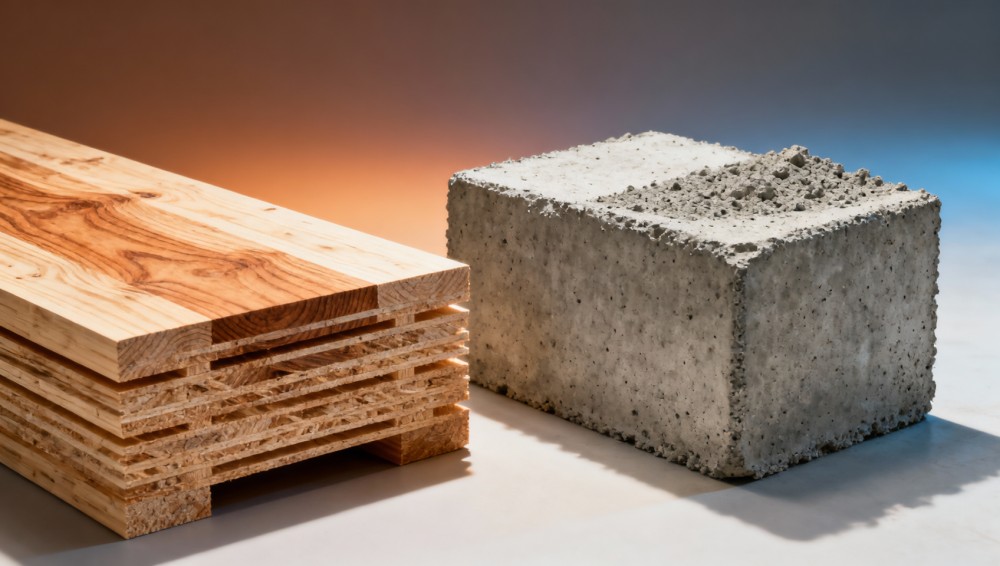
The construction materials industry is undergoing a significant transformation as innovative alternatives gain market share. Driven by technology innovation and shifting market trends, sustainable building solutions are reshaping global supply chains. This article analyzes key developments in construction materials news, from raw material prices to policy and regulation updates impacting international trade. Industry professionals and decision-makers will discover how emerging materials compete with traditional options, plus critical market trend analysis to inform strategic planning in this evolving sector.
Market Drivers Behind Material Innovation
Three key factors are accelerating adoption of alternative construction materials globally. First, environmental regulations now mandate 30-50% recycled content in building projects across 17 major economies. Second, volatile raw material prices have created 15-20% cost advantages for sustainable alternatives in 2023-2024. Third, green building certifications like LEED v4.1 now award 12-18 additional points for innovative material solutions.
Architects now specify alternative materials in 38% of commercial projects compared to just 12% in 2018, according to AIA surveys. This shift reflects changing client demands and tighter sustainability requirements in building codes.
Performance Comparison: Traditional vs Alternative Materials
When evaluating material alternatives, decision-makers should consider five critical performance dimensions:
- Structural load capacity (measured in MPa or PSI)
- Thermal resistance (R-value per inch)
- Fire safety ratings (Class A, B, or C)
- Moisture resistance (water absorption percentage)
- Installation labor requirements (hours per 100 sq ft)
Cross-laminated timber (CLT) demonstrates particularly strong performance in mid-rise construction, offering comparable strength to concrete at 40-50% lighter weight. Testing shows CLT panels achieve fire resistance ratings of 60-90 minutes when properly treated.
Cost-Benefit Analysis for Common Alternatives
While initial costs for some alternatives remain 10-15% higher, lifecycle analysis reveals 20-30% savings through reduced maintenance and energy efficiency gains. Many jurisdictions now offer tax incentives covering 5-7% of material costs for sustainable options.
Procurement Considerations for New Materials
Successful adoption of alternative materials requires addressing four critical procurement challenges:
- Supply chain verification: 68% of contractors report difficulty finding reliable suppliers for innovative materials
- Installation training: New materials often require specialized crews with 40-60 hours of training
- Code compliance: Local building departments may need 2-4 weeks for alternative material approvals
- Warranty coverage: Some insurers require additional 5-10% premiums for non-traditional systems
Leading construction firms now establish dedicated sustainability procurement teams to navigate these challenges. These specialists typically achieve 30% faster approval times and 15% better pricing through strategic supplier relationships.
Future Outlook and Strategic Recommendations
The global alternative construction materials market is projected to grow at 8.4% CAGR through 2030, with particular strength in these segments:
- Bio-based insulation materials (+11.2% annually)
- Recycled metal structural components (+9.8%)
- Low-carbon cement alternatives (+14.6%)
For companies planning material transitions, we recommend a phased approach:
- Pilot phase (3-6 months): Test materials in non-critical applications
- Training phase (6-12 months): Upskill crews on 2-3 alternative systems
- Full integration (12-18 months): Establish preferred supplier networks
Strategic Planning Support for Material Transitions
Our industry intelligence platform provides construction professionals with real-time data to navigate material transitions effectively. Access our specialized resources including:
- Quarterly price trend reports for 27 alternative materials
- Supplier reliability ratings across 14 global regions
- Code compliance tracking for 300+ jurisdictions
- Lifecycle cost calculators for hybrid material systems
Contact our materials specialists today for customized reports on:
- Region-specific material availability analysis
- Side-by-side performance comparisons for your project type
- Regulatory change alerts impacting your material decisions
- Cost-benefit modeling for sustainable material adoption
Author : Technology Insights Desk
Post a comment
Your email address will not be published. Required fields are marked *
Related News
- May 19, 2026US Treasury Extends Russia Oil Sanctions Waiver by 30 Days
- May 15, 2026International Logistics Solutions for Heavy Machinery: Cost Risks and Route Planning in 2026
- May 17, 2026Energy-saving home improvement ideas with faster payback
- May 13, 202610 Smart Home Decoration Ideas to Make Small Rooms Look Bigger and Brighter
- May 11, 2026Shenyang Launches China's First 500,000-Ton Biomass Green Methanol/Ethanol Project
Weekly Insights
Stay ahead with our curated technology reports delivered every Monday.