





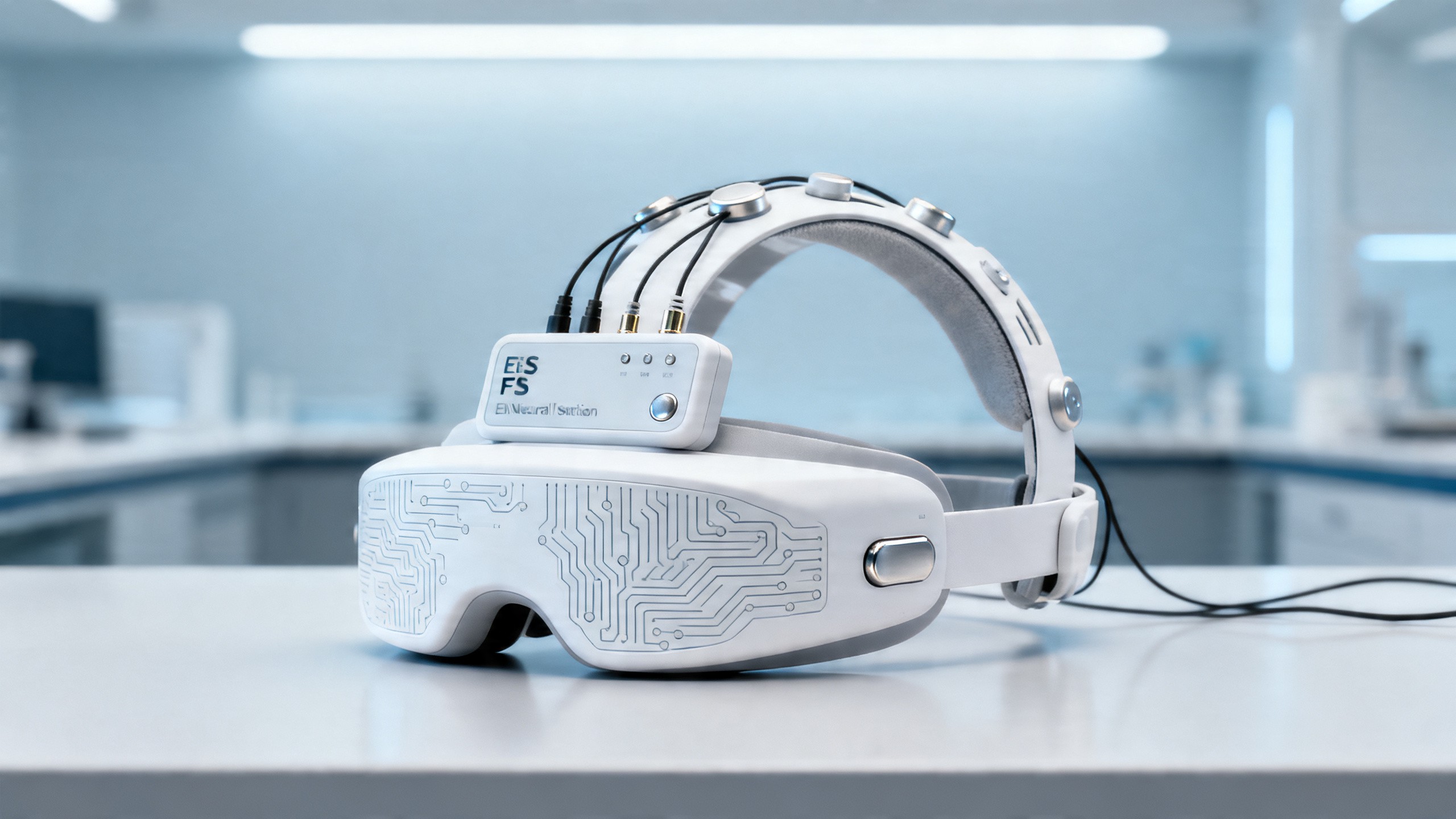
On April 19, 2026, the Henan Provincial Brain-Computer Interface Rehabilitation Equipment Technology Innovation Center was officially inaugurated in Zhengzhou. The initiative introduces a coordinated pathway between China’s Unique Device Identification (UDI) system and the U.S. FDA’s 510(k) pre-submission communication mechanism—marking a notable development for manufacturers of EEG-based headwear devices and functional electrical stimulation (FES) neurostimulation modules targeting the U.S. market.
Event Overview
On April 19, 2026, the Henan Provincial Brain-Computer Interface Rehabilitation Equipment Technology Innovation Center was unveiled in Zhengzhou. Concurrently, the center established a ‘China UDI–FDA 510(k) Pre-Communication’ green channel in collaboration with the Center for Medical Device Evaluation (CMDE) under China’s National Medical Products Administration (NMPA). This channel is open to pilot enterprises, with an initial claim that it may reduce U.S. market registration timelines to 8–10 months for eligible products—including EEG acquisition headwear devices and FES neural stimulation modules.
Industries Affected by This Development
Medical Device Exporters Targeting the U.S. Market
These enterprises are directly affected because the green channel links domestic UDI compliance with early-stage FDA engagement. Impact centers on registration timing: shortened 510(k) preparation cycles may improve launch predictability—but only for products already aligned with both China’s UDI requirements and FDA’s predicate-based classification expectations.
Domestic Manufacturers of Neurorehabilitation Hardware
Manufacturers producing EEG headsets or FES modules face operational implications related to documentation readiness and design traceability. Impact includes increased demand for structured device history files, UDI-compliant labeling workflows, and internal alignment between R&D, quality, and regulatory teams ahead of FDA pre-submission discussions.
Regulatory Consultancy & Submission Support Providers
Firms offering regulatory strategy or submission support may see shifting service demand—from post-UDI certification assistance toward integrated UDI–510(k) readiness planning. Impact manifests as earlier client engagement points and greater emphasis on cross-jurisdictional documentation mapping (e.g., linking UDI-DI data elements to FDA-required device descriptions).
What Enterprises and Practitioners Should Monitor and Do Now
Track official rollout details from CMDE and provincial authorities
The green channel is described as ‘launched’ and ‘pilot-enabled’, but eligibility criteria, application procedures, and formal MOU terms remain unconfirmed in publicly available information. Enterprises should monitor announcements from CMDE and Henan Provincial NMPA offices—not just press releases—for procedural clarity.
Verify current UDI implementation status against product scope
Only products already assigned UDI-DIs—and documented in China’s UDI database—can meaningfully enter the pre-communication flow. Companies should audit whether their EEG or FES devices have completed UDI assignment, label integration, and database reporting before initiating FDA outreach.
Distinguish between pre-submission dialogue and binding clearance pathways
Analysis来看, the ‘pre-communication’ mechanism does not replace or accelerate FDA review timelines per se—it facilitates earlier alignment on submission strategy. Enterprises should avoid interpreting this as a de facto fast-track; rather, it reduces ambiguity in predicate selection and technical file scoping prior to formal 510(k) submission.
Prepare cross-functional alignment for dual-system documentation
Current more suitable preparation includes harmonizing internal records across two frameworks: China’s UDI requirements (e.g., DI/PI structure, GBT 34064–2017 alignment) and FDA’s 510(k) content expectations (e.g., substantial equivalence rationale, performance testing protocols). Early cross-departmental workshops involving QA, RA, and clinical engineering are advisable.
Editorial Perspective / Industry Observation
From industry perspective, this initiative is best understood as an institutional signal—not yet an operational outcome. It reflects growing coordination between Chinese regulatory infrastructure and international pathways, but its real-world impact hinges on three factors: (1) transparency of access rules for non-Henan-based firms; (2) consistency of FDA responsiveness to pre-submission inquiries routed via this channel; and (3) whether UDI data quality meets FDA’s expectations for use in equivalence assessments. Observation来看, the value lies less in immediate timeline compression and more in building precedent for structured, bilateral regulatory interface mechanisms—particularly for low-to-moderate risk neurorehab devices.
Conclusion
This development signals an emerging effort to synchronize domestic regulatory milestones with international submission planning—specifically for brain-computer interface rehabilitation hardware. It does not alter FDA’s statutory review standards or timelines, nor does it guarantee expedited clearance. Rather, it offers a framework for earlier strategic alignment. Current more appropriate interpretation is that it represents a procedural bridge—not a shortcut—with practical utility contingent on disciplined documentation readiness and careful distinction between communication and authorization.
Information Source
Main source: Official announcement issued on April 19, 2026, regarding the inauguration of the Henan Provincial Brain-Computer Interface Rehabilitation Equipment Technology Innovation Center and its collaboration with CMDE on UDI–FDA 510(k) pre-communication. Pending items for ongoing observation include formal eligibility guidelines, participation scope beyond pilot enterprises, and documented outcomes of initial pre-submission interactions.
Related News
- Henan Brain-Computer Interface Rehab Tech Center LaunchedApr 19, 2026Henan Brain-Computer Interface Rehab Tech Center launched—unlocking China UDI–FDA 510(k) pre-communication for EEG & FES devices targeting the US market.
- Russia-China Talks: RUB-CNY Settlement & Standards Mutual Recognition AcceleratedApr 19, 2026Russia-China talks accelerate RUB-CNY settlement & GOST-GB standards mutual recognition—key for exporters, certifiers, and logistics firms targeting Russia.
- U.S. Ford Carrier Returns to Red Sea; EU Tightens China Tech Export ControlsApr 19, 2026U.S. Ford carrier returns to Red Sea amid new EU tech export controls on AI chips, optical inspection gear & quantum sensors—key implications for global semiconductor and precision manufacturing firms.
- How supply chain risk management strategies adapt to new forced labor due diligence rulesApr 19, 2026Discover how supply chain risk management strategies evolve amid new forced labor rules—impact on semiconductor industry news, made in China products list, clean energy investment opportunities & more.
Related News
- 00
0000-00
AI Lobster Clerk Debuts at Retail Expo, Draws SEA Procurement Inquiries - 00
0000-00
Henan Brain-Computer Interface Rehab Tech Center Launched - 00
0000-00
Russia-China Talks: RUB-CNY Settlement & Standards Mutual Recognition Accelerated - 00
0000-00
Xiaomi Auto Appoints Hu Zhengnan CTO, Ex-Tesla Exec as Chief of Staff - 00
0000-00
China Launches First 100,000-Home Natural Gas Blending with Hydrogen Project
Policy Review Desk
Weekly Insights
Stay ahead with our curated technology reports delivered every Monday.