
Detachable Insulation Jacket Upgrade for Plate Heat Exchangers: 25%+ Energy Efficiency Boost, Compliance with ASME BPE & EU 2019/2021 Directives Facilitates Chinese Exports to EU and Pharmaceutical Markets




Introduction
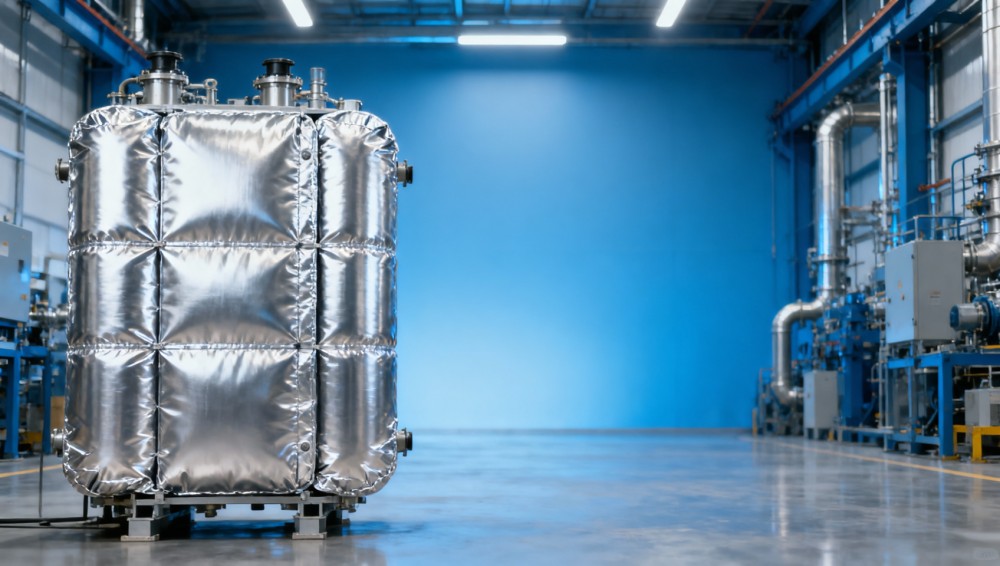
As of April 1, 2026, industry analysis reveals that leading Chinese heat exchanger manufacturers have begun mass-producing modular detachable insulation jackets compliant with ASME BPE (biopharmaceutical equipment) standards and EU ErP Directive 2019/2021. With energy savings exceeding 25%, this technological advancement significantly reduces thermal losses, enhancing the competitiveness of Chinese plate heat exchangers in European pharmaceutical, food, and chemical projects. This development is particularly relevant for industries involved in heat exchange equipment manufacturing, biopharmaceuticals, and international trade, as it addresses critical certification requirements and energy efficiency demands in key export markets.
Event Overview
The key development involves the production of detachable insulation jackets for plate heat exchangers by top Chinese manufacturers. These jackets meet stringent ASME BPE standards for biopharmaceutical applications and comply with the EU’s ErP Directive 2019/2021, which mandates energy efficiency improvements. The technology achieves over 25% energy savings by minimizing heat dissipation. This upgrade is expected to improve CE certification success rates for Chinese heat exchangers in European markets, particularly in pharmaceutical, food processing, and chemical sectors.
Impact on Key Industries
1. Heat Exchanger Manufacturers
Chinese manufacturers producing plate heat exchangers now have a competitive edge in EU markets due to compliance with ASME BPE and ErP Directive 2019/2021. The energy-efficient insulation jackets reduce system heat loss, making their products more attractive to European buyers, especially in regulated industries like pharmaceuticals.
2. Pharmaceutical and Food Processing Industries
Companies in these sectors rely on heat exchangers for sterile processing and temperature control. The upgraded insulation jackets ensure compliance with biopharmaceutical standards (ASME BPE) and EU energy regulations, simplifying procurement for European projects.
3. Export-Oriented Enterprises
Businesses involved in exporting heat exchange equipment to the EU will benefit from higher CE certification approval rates. The technology aligns with EU sustainability goals, reducing barriers to entry for Chinese suppliers.
Key Considerations for Industry Stakeholders
1. Certification and Compliance
Manufacturers should verify that their products meet both ASME BPE and EU ErP Directive 2019/201 requirements. Engaging with certification bodies early can streamline the approval process.
2. Market Prioritization
Focus on sectors with strict regulatory demands, such as pharmaceuticals and food processing, where compliance with ASME BPE and energy efficiency standards is critical.
3. Supply Chain Adjustments
Suppliers should assess whether their current insulation materials and designs align with the new energy-saving benchmarks. Upgrading production processes may be necessary to meet EU market expectations.
Editorial Perspective
From an industry standpoint, this development signals China’s progress in meeting international energy efficiency and biopharmaceutical equipment standards. While the technology is already in production, its broader adoption will depend on market reception and regulatory enforcement in the EU. Companies should monitor updates to the ErP Directive and ASME BPE guidelines to stay ahead of compliance requirements.
Conclusion
The introduction of energy-efficient, detachable insulation jackets for plate heat exchangers represents a significant step forward for Chinese manufacturers targeting the EU market. By addressing both ASME BPE and ErP Directive 2019/2021 standards, this innovation enhances export potential in high-value industries like pharmaceuticals and food processing. Stakeholders should prioritize certification readiness and market-specific adaptations to capitalize on this opportunity.
Source Information
Primary source: Industry analysis report dated April 1, 2026. Ongoing monitoring of EU regulatory updates and ASME BPE revisions is recommended for further developments.
Tags :
Author : Technology Insights Desk
- Last One:Qinghai Enclosed Busbar Manufacturers Accelerate IP66+ Anti-Salt Spray Certification Production Line Construction to Meet New Environmental Adaptation Requirements for Chinese Power Equipment in Middle Eastern and Southeast Asian Offshore Substation and PV Booster Station ProjectsApr 01, 2026
- Next Article:Dushanzi Petrochemical Completes Pressure Test for 450,000-ton/year Polypropylene Unit, Accelerating Domestic High-Performance PP Specialty Material Capacity Release, Benefiting Export-Oriented Plastic Machinery and Mold Manufacturers in Raw Material Stability and Cost ControlApr 01, 2026
Post a comment
Your email address will not be published. Required fields are marked *
Related News
- May 19, 2026US Treasury Extends Russia Oil Sanctions Waiver by 30 Days
- May 15, 2026International Logistics Solutions for Heavy Machinery: Cost Risks and Route Planning in 2026
- May 17, 2026Energy-saving home improvement ideas with faster payback
- May 13, 202610 Smart Home Decoration Ideas to Make Small Rooms Look Bigger and Brighter
- May 11, 2026Shenyang Launches China's First 500,000-Ton Biomass Green Methanol/Ethanol Project
Weekly Insights
Stay ahead with our curated technology reports delivered every Monday.