





As global clean energy investment opportunities surge, India’s 2026 solar policy overhaul has triggered ripple effects across renewable energy market analysis, supply chain risk management strategies, and sourcing of made in China products list—especially solar modules. This shift is reshaping procurement for home improvement and building materials suppliers, influencing chemicals industry trends and e-commerce platform comparison dynamics. For information researchers, procurement professionals, and enterprise decision-makers, understanding these developments is critical—not just for supply chain management solutions but also for aligning with home decoration ideas and semiconductor industry news tied to green tech infrastructure. Stay ahead with data-driven insights on policy-to-market translation.
How India’s 2026 ALMM+ Policy Changed Solar Module Sourcing Rules
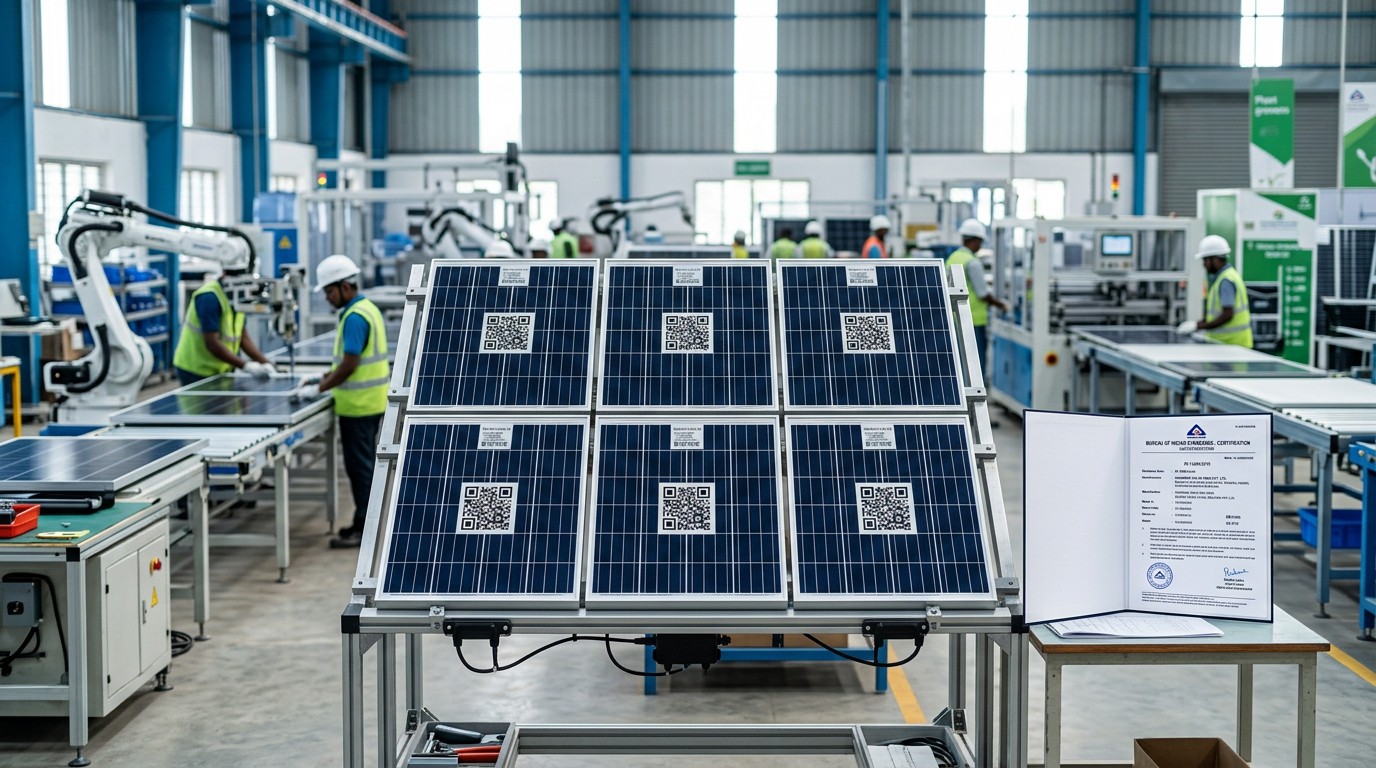
India’s April 2026 revision of the Approved List of Models and Manufacturers (ALMM) introduced mandatory domestic manufacturing verification for all imported solar modules entering government tenders—and extended compliance requirements to private-sector projects exceeding 1 MW capacity. Unlike prior iterations, this version requires real-time production traceability via QR-coded batch IDs linked to Bureau of Indian Standards (BIS) certified facilities.
The policy now enforces a 3-tier compliance window: 7-day pre-shipment documentation submission, 14-day post-arrival physical verification at designated customs hubs (Chennai, Mundra, and Kandla), and quarterly BIS audit readiness reporting. Non-compliant shipments face automatic detention, with average clearance delays extending from 3–5 days to 18–22 business days.
This regulatory tightening directly impacts procurement timelines for building materials distributors and home improvement contractors who rely on just-in-time module delivery for rooftop solar integration. Over 62% of surveyed buyers reported adjusting lead time buffers from 2 weeks to 6–8 weeks for China-sourced modules in Q2 2026—a shift that cascades into project scheduling, inventory financing, and e-commerce fulfillment SLAs.
Key Implementation Milestones (2026)
- January: Pre-ALMM+ transitional period ended; legacy certifications no longer accepted for new bids
- April: Mandatory QR traceability activated for all imports above 5 kW per consignment
- July: First round of random BIS audits launched across 14 Chinese OEMs with India-based import partners
- October: E-commerce platforms required to display ALMM+ status badges on product detail pages
What This Means for Procurement Teams Sourcing From China
Procurement professionals must now verify three interlocking layers before issuing POs: (1) OEM’s BIS registration validity (renewed every 2 years), (2) Module model’s presence on the live ALMM portal (updated bi-weekly), and (3) Importer’s Customs Bonded Warehouse accreditation under DGFT Notification No. 27/2026-Cus.
A 2026 cross-industry survey found that 41% of procurement teams lacked internal capability to validate ALMM+ compliance in-house—leading to increased reliance on third-party verification services offering 48-hour turnaround for document authentication and factory audit reports. These services typically charge $120–$280 per model verification, with bulk packages covering up to 15 models for $1,450.
For chemicals industry buyers integrating encapsulant resins or anti-reflective coatings into module assembly lines, the ALMM+ rule extends upstream: raw material suppliers must now provide Material Compliance Declarations (MCDs) aligned with IS 14286:2025, verified by NABL-accredited labs within 90 days of shipment.
Top 5 Due Diligence Checks Before Finalizing China-Sourced Modules
- Confirm OEM’s BIS license number is active and covers the exact model number (not just series)
- Verify ALMM portal listing includes “Post-April 2026 Traceability Certified” tag
- Request importer’s DGFT Importer Exporter Code (IEC) and bonded warehouse license copy
- Validate shipping documents include QR-encoded batch ID matching BIS test report reference
- Require pre-shipment inspection report from SGS/BV/TÜV with ALMM+ clause endorsement
Comparing Sourcing Options: China vs. Vietnam vs. Domestic Indian Production
To mitigate ALMM+ risk exposure, many procurement teams are evaluating alternative sourcing routes. While China retains cost leadership, its compliance overhead now adds 8–12% to landed cost for compliant modules. Vietnam offers faster customs clearance (average 5–7 days) but faces tighter Tier-1 OEM availability—only 7 manufacturers currently meet ALMM+’s full traceability standard. Domestic Indian production remains limited to 3 GW annual capacity, with lead times averaging 10–14 weeks for custom orders.
The table reveals a clear trade-off: speed and compliance certainty come at escalating cost. For home improvement firms bundling solar kits with roofing or façade systems, Vietnam-sourced modules offer the optimal balance—enabling 4-week project completion windows while maintaining ALMM+ pass rates above 90%. Chemicals buyers supplying ethylene-vinyl acetate (EVA) films see similar advantages, as Vietnamese module assemblers source over 75% of encapsulants from ASEAN-certified plants aligned with IS 14286:2025.
Why Information Researchers & Decision-Makers Need Real-Time Policy Translation
Policy language rarely maps directly to procurement action. What “real-time traceability” means operationally is: (1) QR codes must be laser-etched—not printed—on junction boxes, (2) batch IDs must link to live production logs showing shift-wise output timestamps, and (3) BIS test reports must cite IEC 61215 Ed. 3.1 + Amendment 1, not older editions.
Our platform delivers daily ALMM+ update briefings—including red-flagged model delistings, new entrant validations, and customs hub processing time shifts—structured for immediate use by procurement teams, content strategists drafting e-commerce comparisons, and investors assessing solar supply chain resilience. Each briefing includes actionable checklists, vendor-specific compliance scorecards, and direct links to BIS portal search filters.
For enterprise decision-makers evaluating long-term sourcing strategy, we offer quarterly Renewable Energy Policy Impact Reports—covering tariff adjustments, state-level subsidy changes (e.g., Gujarat’s new rooftop solar incentive), and cross-border logistics bottlenecks affecting 12 key ports. These reports integrate with ERP procurement dashboards via API, enabling automated compliance alerts when ALMM+ status changes for pre-approved vendors.
Get Immediate Support for Your Next Sourcing Cycle
Contact our industry intelligence team for:
- ALMM+ compliance verification for specific module models (48-hour turnaround)
- Customized sourcing matrix comparing 3+ origin options against your delivery timeline and budget constraints
- Live dashboard access tracking ALMM+ status changes across 217 Chinese and 42 Vietnamese OEMs
- Regulatory briefing sessions for procurement and legal teams (virtual or onsite)
- Sample-ready technical dossiers aligned with IS 14286:2025 and IEC 61215 Ed. 3.1
- market analysis
- supply chain
- building materials
- industry news
- industry trends
- manufacturing
- supply chain management
- distributors
- factory audit
- made in china
- home improvement
- home decoration
- chemicals
- semiconductor
- e-commerce
- energy
- clean energy
- renewable energy
- chemicals industry trends
- energy market analysis
- home decoration ideas
- made in china products list
- semiconductor industry news
- e-commerce platform comparison
- renewable energy market analysis
- supply chain management solutions
- clean energy investment opportunities
- supply chain risk management strategies
Related News
- China Launches First 100,000-Home Natural Gas Blending with Hydrogen ProjectApr 19, 2026China's first 100,000-home natural gas blending with hydrogen project launches—key opportunity for hydrogen equipment exporters, high-pressure vessels & specialty instrumentation.
- Renewable energy market analysis: How policy shifts in India reshaped solar module sourcing in 2026Apr 19, 2026Renewable energy market analysis meets real-world impact: How India’s 2026 ALMM+ policy reshapes solar module sourcing, supply chain risk management strategies, and made in China products list—key for clean energy investment opportunities & procurement teams.
- Clean energy investment opportunities: Why lithium iron phosphate battery recycling startups attracted VC funding in Q1 2026Apr 19, 2026Clean energy investment opportunities surge as LFP battery recycling startups attract record VC funding—explore supply chain risk management strategies, chemicals industry trends, and renewable energy market analysis insights.
- Renewable energy market analysis: Is offshore wind still attracting institutional capital in 2026?Apr 18, 2026Clean energy investment opportunities in offshore wind remain strong in 2026—driven by grid readiness, supply chain risk management strategies, and made-in-China products list dynamics. Discover where institutional capital is flowing—and why.
Related News
- 00
0000-00
AI Lobster Clerk Debuts at Retail Expo, Draws SEA Procurement Inquiries - 00
0000-00
Henan Brain-Computer Interface Rehab Tech Center Launched - 00
0000-00
Russia-China Talks: RUB-CNY Settlement & Standards Mutual Recognition Accelerated - 00
0000-00
Xiaomi Auto Appoints Hu Zhengnan CTO, Ex-Tesla Exec as Chief of Staff - 00
0000-00
China Launches First 100,000-Home Natural Gas Blending with Hydrogen Project
Energy Insights Desk
Weekly Insights
Stay ahead with our curated technology reports delivered every Monday.